
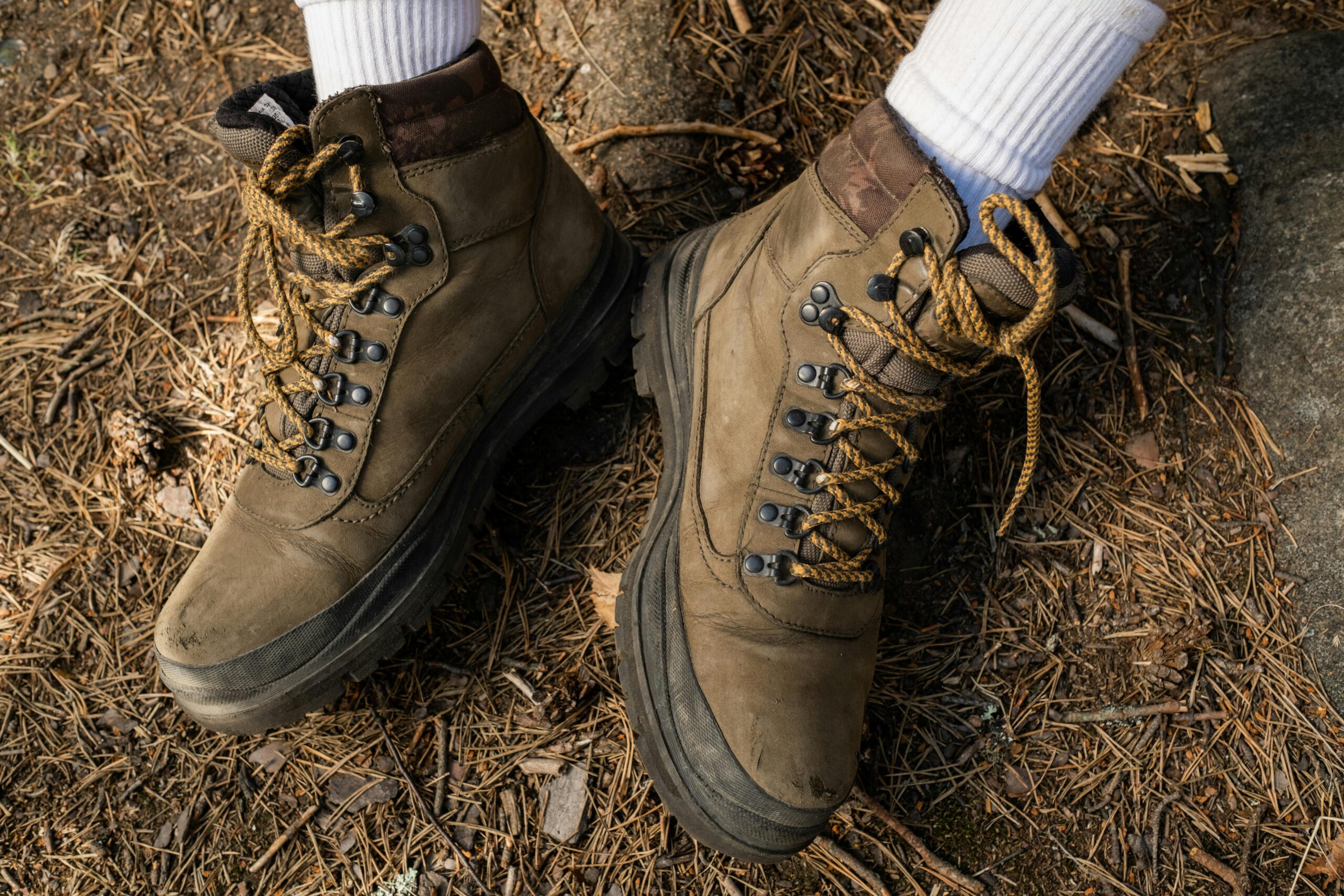
The best winter boots for Midwest winters need real traction for ice, warmth for windchill, and waterproofing for slush, because our winter isn’t just “snowy,” it’s a constant cycle of melt, puddles, refreeze, and that slick parking-lot sheen that sends people sliding.
If you’ve lived through a few Midwest winters, you know the pattern. One day it’s dry powder. The next day it’s heavy, wet snow. Then a warm spell turns everything into ankle-deep slush… and two mornings later it refreezes into rutted ice. That freeze-thaw loop is what wrecks cheap boots and makes “great on paper” boots feel sketchy in real life.
This guide helps you pick the right winter boot for your Midwest winter. If you’re commuting, dealing with extreme cold, shopping on a budget, or hiking frozen trails, use the quick links below to jump straight to the best guide for your situation.
Most Popular
Winter Boots Buyer’s Guide (Midwest Edition)
Midwest winter boots don’t fail because they’re “bad boots.” They fail because they’re built for one kind of winter, and we live in a mix of snow → slush → refreeze → ice that changes week to week (and sometimes hour to hour). Buy for the wrong problem, warmth but no grip, waterproofing but no insulation, great tread but no slush protection, and you’ll feel it fast.
This guide breaks down what actually matters here: traction, waterproofing, warmth, fit/sizing (including sock strategy), boot height, and the freeze/thaw reality that makes Midwest winter different.
1) Traction: Ice is the real enemy
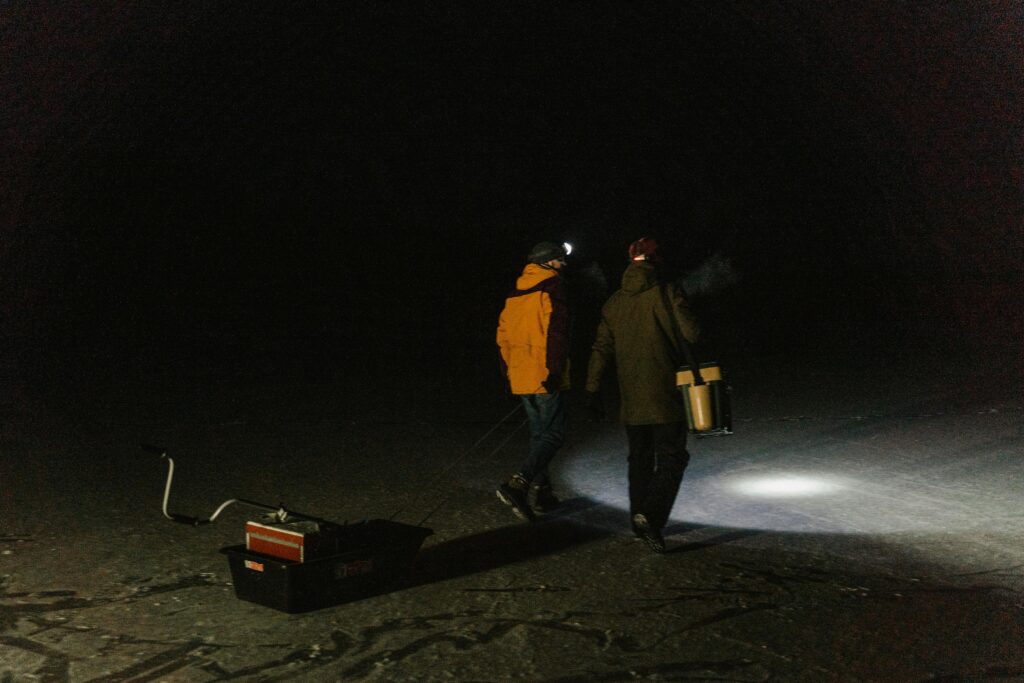
In the Midwest, “traction” isn’t just about deep lugs for trails. It’s about hard, slick ice on sidewalks, parking lots, plowed driveways, and packed snow that turns into a polished surface.
What to look for
- Rubber that stays grippy in cold temps. Some outsoles stiffen in freezing weather, and stiff rubber slips easier.
- Edges that bite. Deep mud lugs can be great in slush but useless on flat ice. Look for multi-directional edges and siping-like texture.
- Heel braking + forefoot bite for stepping off curbs and walking downhill.
What to avoid
- Fashion tread that’s mostly smooth.
- Very hard-feeling outsoles that last forever but feel slick when it’s cold.
Key takeaway: If you’re mainly walking on plowed surfaces, prioritize ice grip and stability more than aggressive trail lugs.
2) Waterproofing: Slush is what ruins “warm”
Warmth doesn’t matter if your feet get wet. In Midwest winter, slush is the fastest way to turn a good day into miserable feet.
The main waterproofing styles:
A) Rubber lower (“duck boot” style)
- Great for slush and puddles.
- Can be bulky, less breathable.
B) Waterproof membrane boots
- Lighter, more “hiking boot” feel.
- If the outer fabric soaks through, you can still feel cold even if it doesn’t leak.
C) Treated leather / “water-resistant”
- Fine in dry cold.
- Often fails in curb slush, wet snow, and puddles.
Key takeaway: For Midwest slop days, “water-resistant” usually isn’t enough, prioritize true waterproofing or a rubber lower.
3) Warmth: Standing still needs more insulation than walking
Warmth depends on what you’re doing:
- Commuting/errands: moderate insulation + real waterproofing is usually enough.
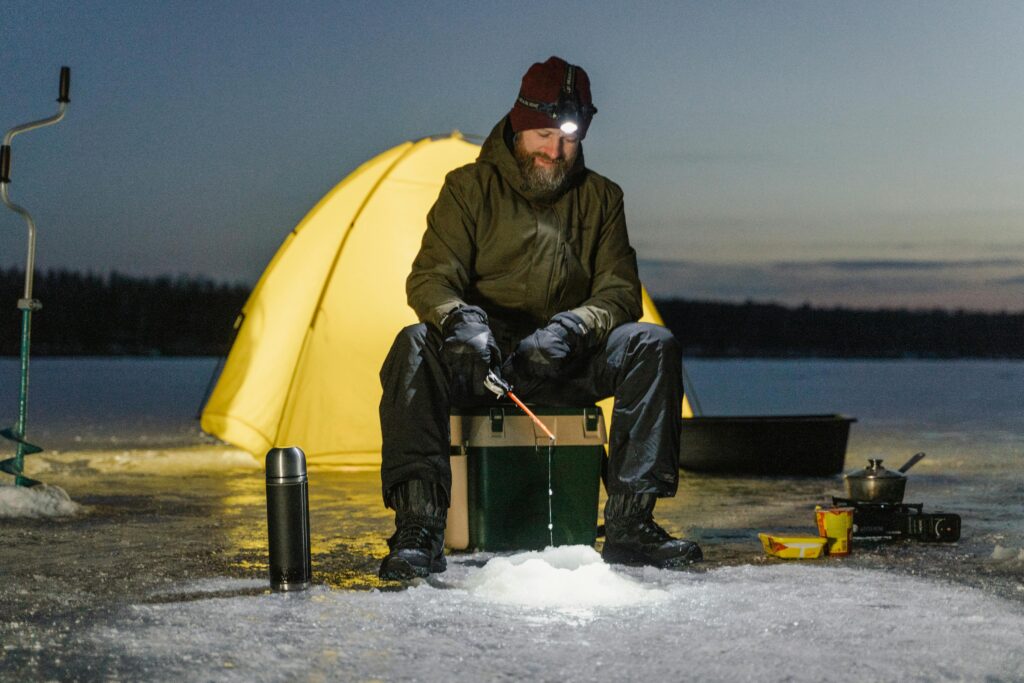
- Standing still (ice fishing / hunting sits): you need much more insulation and a roomier fit.
- Winter hiking: too much insulation can make you sweat, and sweat turns cold fast.
Cold-feet reality: the warmest boot on paper still feels cold if it’s tight, wet, or letting snow in.
Key takeaway: Buy warmth based on activity level, standing still requires more insulation than moving.
4) Fit & Sizing: tight boots = cold boots (and socks change everything)
Fit matters more in winter than any other season because tight boots cut circulation, and circulation is warmth.
Toe room is non-negotiable
You want room to wiggle toes and keep a small pocket of warm air. If your toes touch the front when stepping downhill, the boot will feel colder and more annoying over time.
Sock strategy (important): size boots for how you actually wear them
If you wear two pairs of socks in winter, that absolutely affects the size boot you should buy.
Two-sock setups can help a lot, but only if the boot has enough volume. If the boot gets snug, you lose circulation and end up colder.
Practical rule
- Try boots on with the exact sock setup you will wear (including your two socks).
- If it feels “snug but okay” indoors, it will often feel tight outside after walking and swelling slightly.
- You want a secure heel but a relaxed forefoot and toe box.
Key takeaway: Winter boots should fit secure at the heel, roomy at the toes, and your sock setup should be part of sizing.
5) Boot Height: match height to snow + slush reality
Boot height helps with:
- keeping slush and snow out
- blocking wind on lower legs
- staying warmer longer
Short boots (6″–8″)
- Better for driving, commuting, quick errands.
- Fine if you’re mostly on plowed surfaces.
Mid/tall boots (9″–12″+)
- Better for deep snow, slush banks, and real winter days.
- Usually warmer and more protective.
Key takeaway: If you regularly deal with deeper snow and slush piles, taller boots usually win.
6) Midwest Freeze/Thaw Reality: buy for the worst 20% of days
Midwest winter isn’t consistent. A good boot here must handle:
- wet slush that soaks everything
- refrozen ruts that twist ankles
- glare ice on “normal” sidewalks
- windchill that punishes any gaps
Decision framework
- Commuting/errands: prioritize ice traction + waterproofing, moderate warmth.
- Outdoor work/chores: prioritize waterproofing + height + durability, traction next.
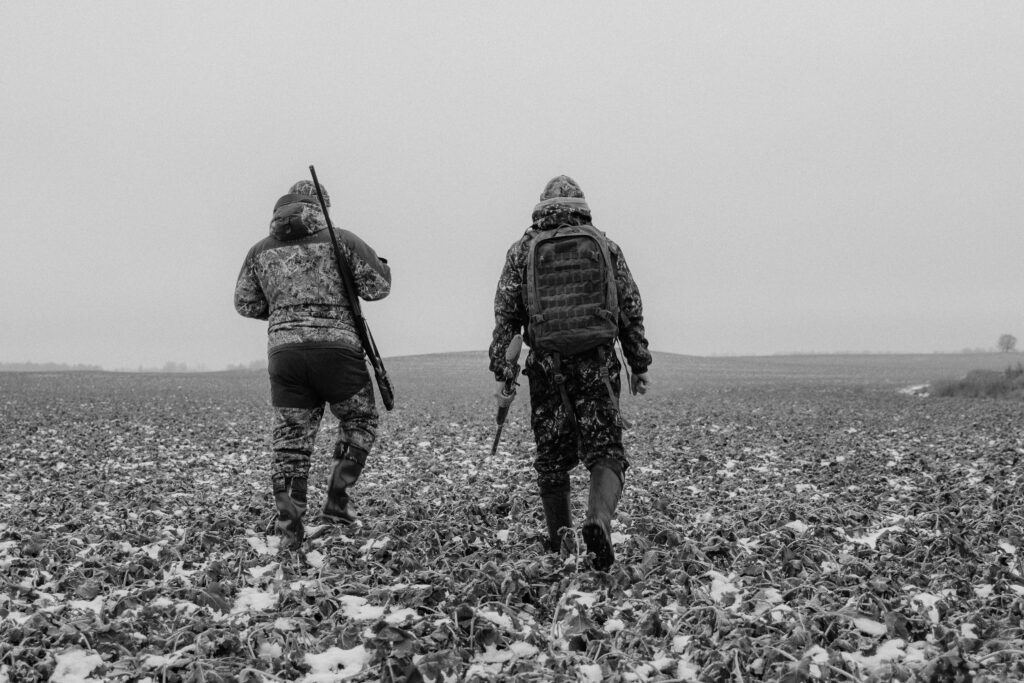
- Standing still (ice fishing/hunting): prioritize warmth + roomier fit, then height.
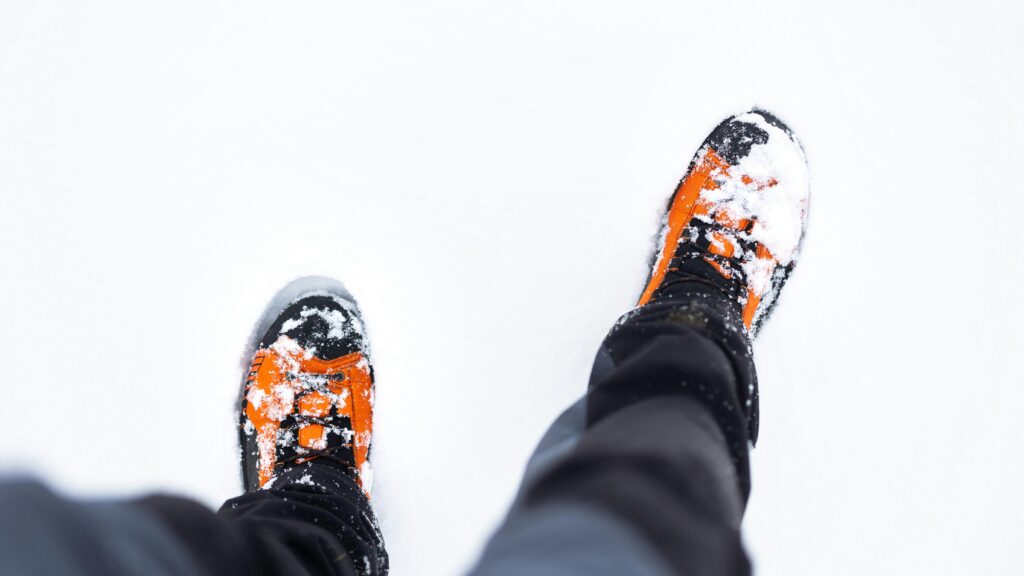
- Winter hiking: prioritize traction + stability + breathable warmth.
Key takeaway: Don’t buy for “snow.” Buy for slush + refreeze + ice—that’s the Midwest.
Find the Right Guide
If you’re not sure which winter boot guide to start with, use this section like a shortcut. Pick the situation that matches your day-to-day, then jump straight into the best guide for you.
Everyday Wear
Extreme Cold

Our Favorite Boots
The North Face Chilkat V 400 (Warm, Waterproof, Built for Real Snow Days)
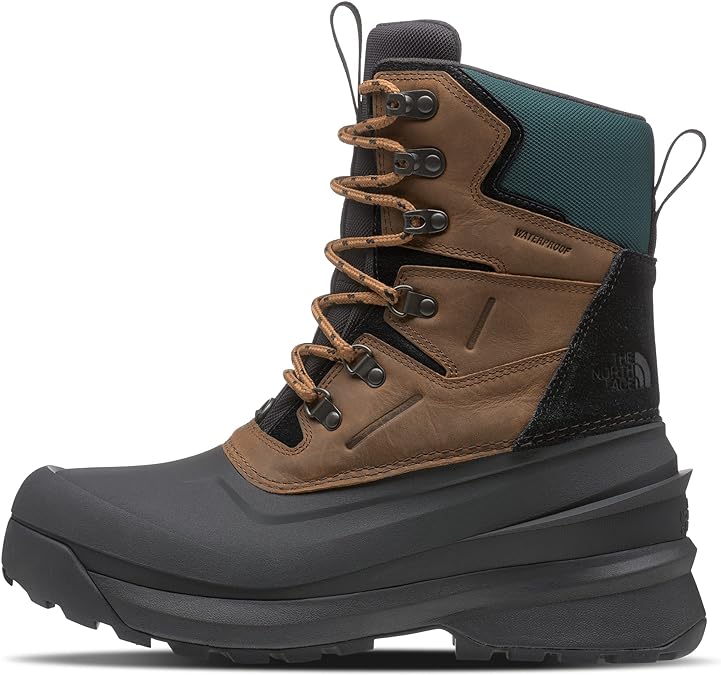
If your winter includes deep snow, wet slush, and long days outside, the Chilkat V 400 is a strong “no nonsense” winter boot to start with. It’s built for the kind of Midwest weather that flips between powder and sloppy melt, giving you a warm, sealed-up feel when the forecast turns nasty and you still have to be out in it. It’s a solid option for everyday winter use when you want more protection than a lighter hiking-style boot.
Read the full review: The North Face Chilkat V 400 Midwest Review (2025–2026)
Sorel Caribou (Classic Deep Snow + All-Day Warmth)
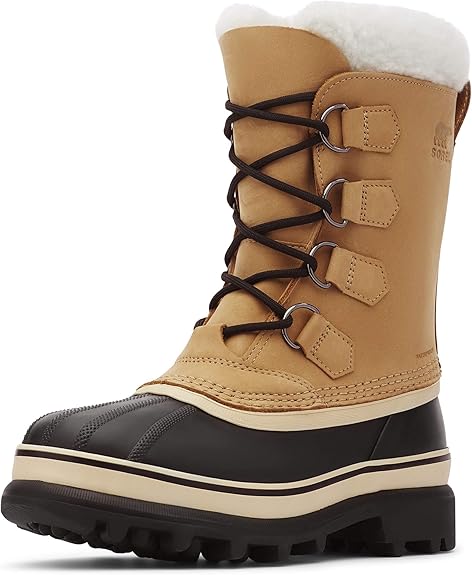
If your winter includes deep snow, long time outside, and that “boots need to just work” mindset, the Sorel Caribou is one of the safest starts. It’s built for messy winter days and stays comfortable when the weather turns ugly, exactly the kind of boot you grab when you don’t want to gamble on warmth or snow protection. This is probably the best winter boots for Midwest winters.
Read the full review: Sorel Caribou Midwest Review (2026)
Columbia Bugaboot III (Everyday Midwest Winter Value + Slush-Ready Protection)
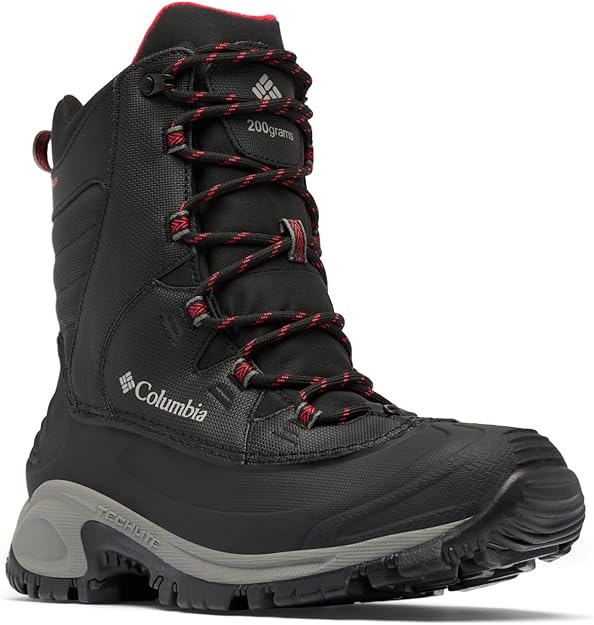
If you want a winter boot that handles the daily Midwest grind, plowed sidewalks, slush piles at curb edges, packed snow that refreezes overnight, the Columbia Bugaboot III is a dependable, widely available pick. It’s the kind of boot that works for commuting, errands, and light outdoor time without feeling like an oversized “deep snow” boot, and it usually hits a sweet spot on price for what you get.
Read the full review: Columbia Bugaboot III Midwest Review (2026)
BOGS Arcata (Slush-Proof Comfort for Messy Midwest Winter Days)
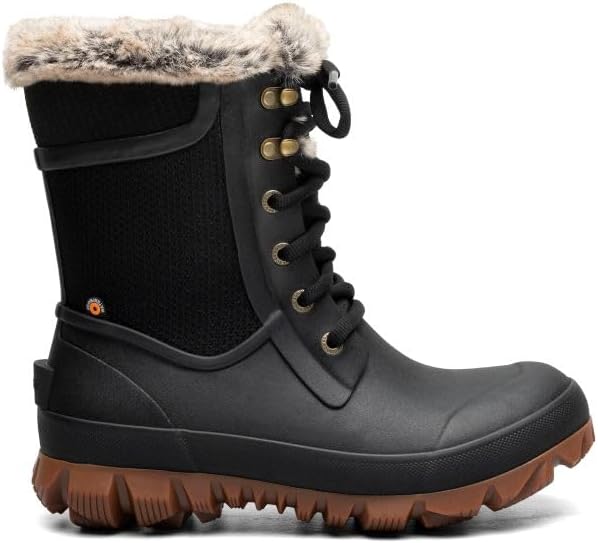
If your winter is more wet snow + slush + muddy driveways than deep drifts, the BOGS Arcata is the kind of boot that makes life easier. It’s built for the freeze-thaw reality where you’re stepping through puddles at the curb, walking across salty parking lots, and dealing with that half-melted snow that soaks everything. It’s also a strong choice for quick on/off use, perfect for errands, dog walks, and daily winter running around.
Read the full review: BOGS Arcata Midwest Review
Baffin Impact (Serious Warmth for the Midwest Cold)
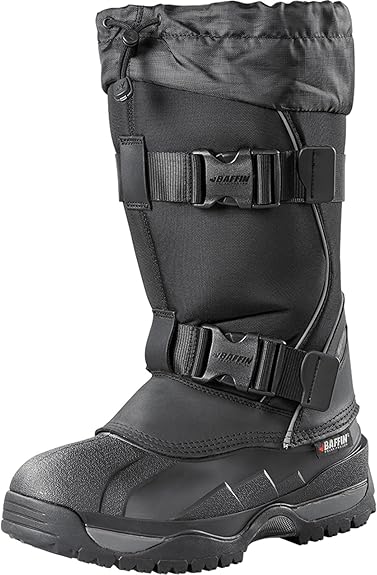
If your winter includes long stretches outside where you’re not moving much, ice fishing, hunting sits, outdoor work breaks, or just being out in bitter windchill, the Baffin Impact is built for that exact problem. This is a warmth-first boot meant to keep your feet from going numb when lighter “everyday” winter boots tap out. It’s a strong pick when your priority is staying warm longer, not staying light.
Read the full review: Baffin Impact Midwest Review
BOGS Classic Ultra High (Easy On/Off Slush Boot for Midwest Mess)
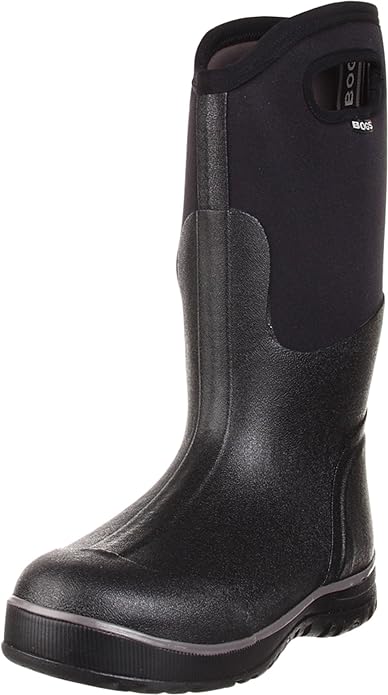
When Midwest winter turns into slush, puddles, and salty parking lots, the BOGS Classic Ultra High is the kind of boot that just simplifies your day. It’s built for the wet, messy reality, stepping through curb slop, walking the dog, shoveling, running errands, where a “normal” winter boot can start to wet out or feel like a hassle. If you want something you can pull on fast and trust in sloppy conditions, this is one of the best styles to own.
Read the full review: BOGS Classic Ultra High Midwest Review
Danner Pronghorn (Hunting Boot… But Probably Our All-Time Favorite Midwest Winter Boot)
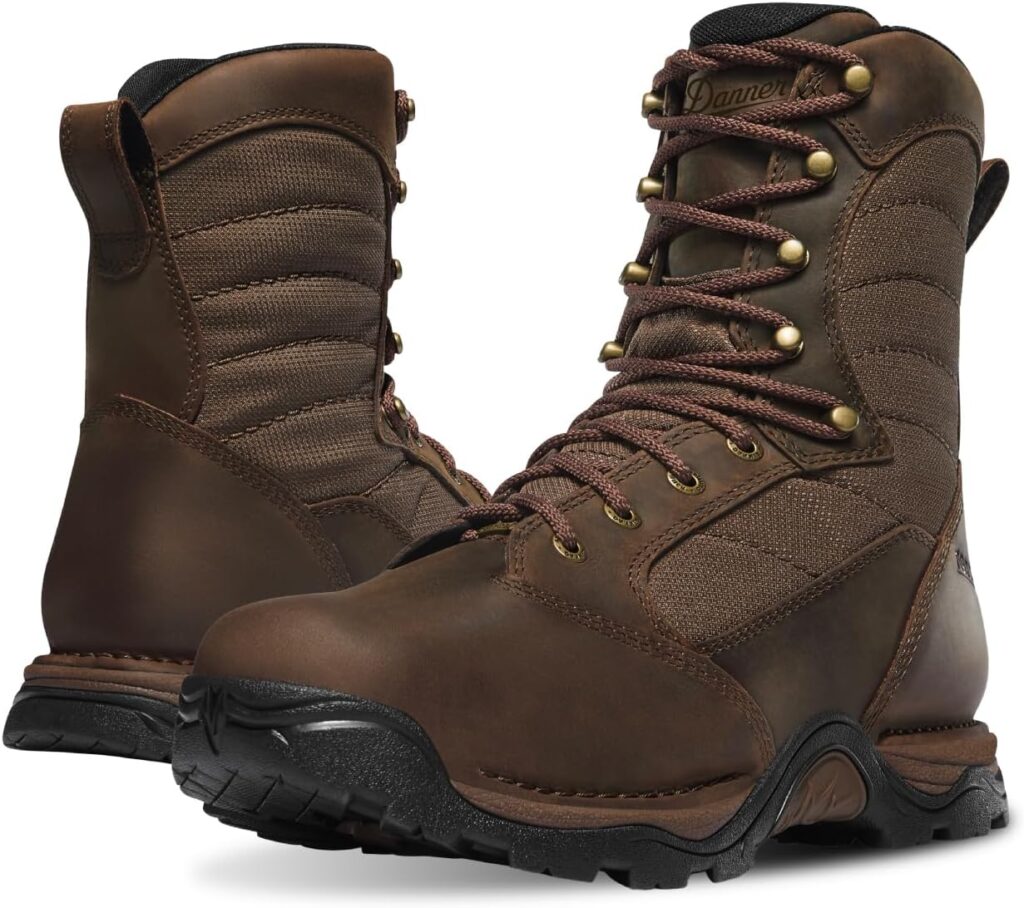
The Danner Pronghorn is technically a hunting boot, but for Midwest conditions, it’s one of those rare boots that just works for almost everything, which is why it’s probably our all-time favorite “winter boot” overall. It’s tough, supportive, and built to handle miles of rough ground, wet brush, snow-dusted trails, and the kind of unpredictable conditions we get all season. If you want one boot you can trust for late-season hunts and real-world winter use, this is a hard one to beat.
Read the full review: Danner Pronghorn Midwest Review
FAQs
What are the best winter boots for Midwest winters?
The “best” winter boots for Midwest winters are the ones that handle ice traction + slush waterproofing + cold windchill without feeling miserable to wear. If you want a fast starting point, begin with our main roundup for all-around picks, then narrow down by use case (men, women, budget, hiking, extreme cold).
What matters more in the Midwest: warmth or waterproofing?
Most of the time, waterproofing matters first. In Midwest winters, slush and wet snow soak boots fast, and wet feet become cold feet no matter how insulated the boot is. Warmth is still important, but waterproofing is the foundation, especially for commuting and errands.
How do I choose boots for ice traction?
Look for outsoles that stay grippy in cold temps and have lots of edges (not just big “mud lugs”). Ice traction is often about bite on flat, slick surfaces, parking lots, sidewalks, plowed driveways, not just deep snow. If you deal with glare ice regularly, plan on using ice cleats on the worst days.
Should I size up for winter boots?
Often, yes, if you wear thicker socks or two socks. Tight boots cut circulation, and tight boots get cold. The best approach is simple: try boots on with the exact socks you’ll wear in winter, including your two-sock setup. You want a secure heel, but enough toe room to wiggle and keep warm air trapped around your feet.
Is wearing two pairs of socks a good idea?
It can be, if your boot has enough volume. Two socks can add warmth and reduce friction, but if it makes the boot snug, you lose circulation and actually get colder. If you like the two-sock setup, buy boots that feel comfortable with that setup from day one.
What boot height is best for Midwest snow and slush?
For most people, mid to tall boots (9″ – 12″+) are the safest choice for real Midwest winter days because they keep slush and snow out better. Shorter boots are fine for quick commuting on plowed surfaces, but they’re easier to flood in deep snow and slush banks.
What’s better for slush: rubber boots or insulated snow boots?
For sloppy slush days, rubber-lower boots (or rubber boots) often win because they don’t wet out easily and they’re easy to clean. For colder days where you’re outside longer, insulated snow boots can be better, especially if you’re standing still, but they must be truly waterproof or slush will still ruin the warmth.