

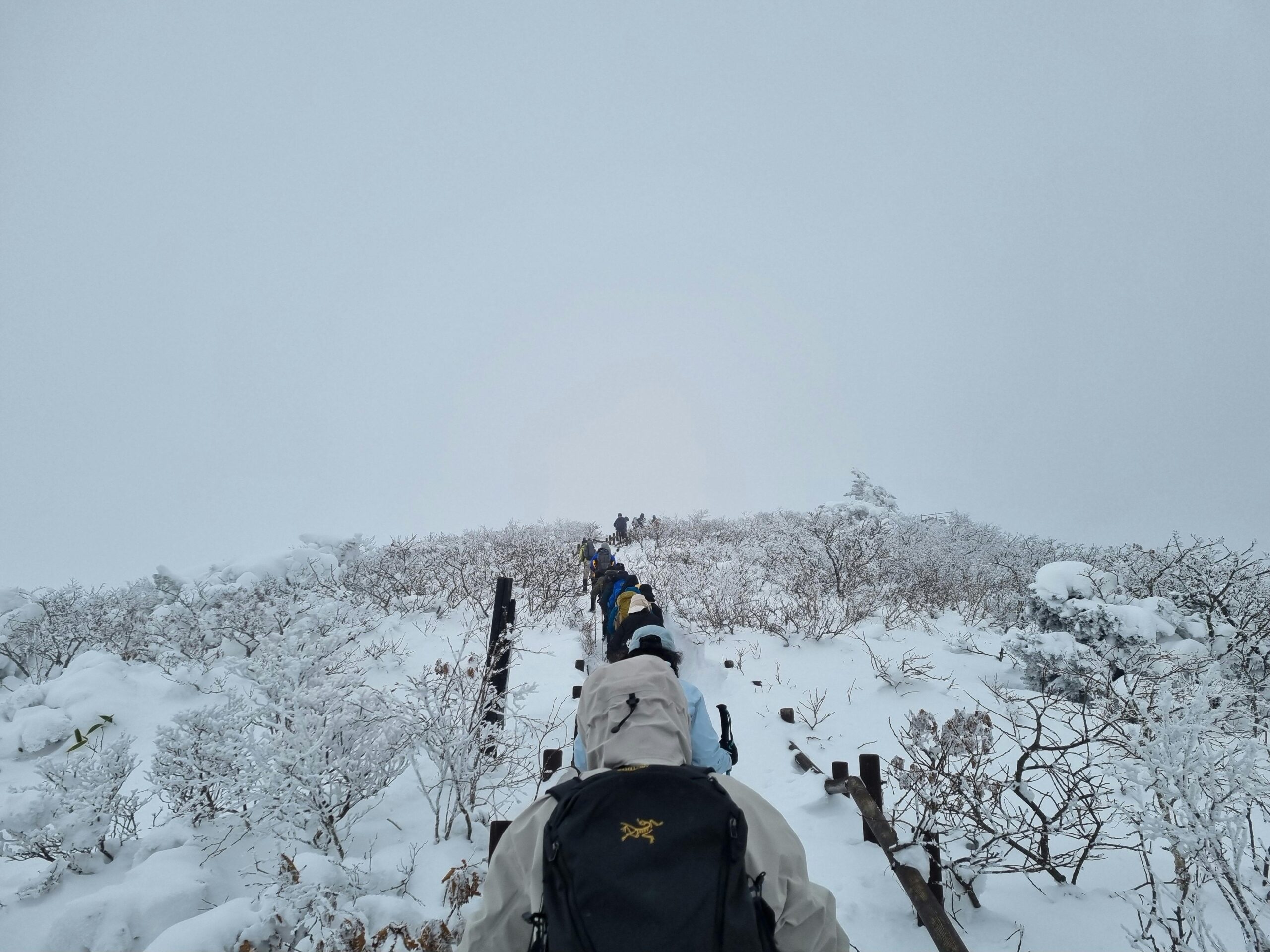
The best winter hiking boots for the Midwest need grip on ice and warmth in freeze-thaw mud, these 7 picks are built for snowy trails all season.
Midwest winter hiking is never consistent, one stretch is packed snow, the next is thawed mud, and shaded sections refreeze overnight. A true winter hiker has to stay stable through all of it without soaking your feet or turning slick when temperatures swing. The boots below are built for that reality: traction that works in the cold, waterproofing that survives slush, and warmth that makes sense for active miles.
Quick Picks
- Best Overall: KEEN Revel 4 High Polar
- Best for Technical Terrain: Hoka Kana 2 Frost GTX
- Best Daily Winter Hiker: Danner Arctic 600 Side-Zip
- Best Lightweight Option: Merrell Moab Speed 2
- Best Freeze-Thaw Trails: Baffin Zone
- Best Minimalist Feel: Xero Alpine
- Best Support & Stability: Oboz Bridger
Why These Winter Hiking Boots Made The List
Midwest winter trails punish boots that rely on aggressive looks instead of real cold-weather performance. To make this list, each boot had to prove it could handle:
- Cold-weather traction that doesn’t harden on ice
- Waterproof protection for slush and thaw cycles
- Practical warmth for moving in winter conditions
- Stability and comfort on uneven, frozen terrain
If a boot handled snow but failed on refrozen mud, or stayed dry but felt unstable, it didn’t belong here.
1. Best Overall: KEEN Revel 4 High Polar
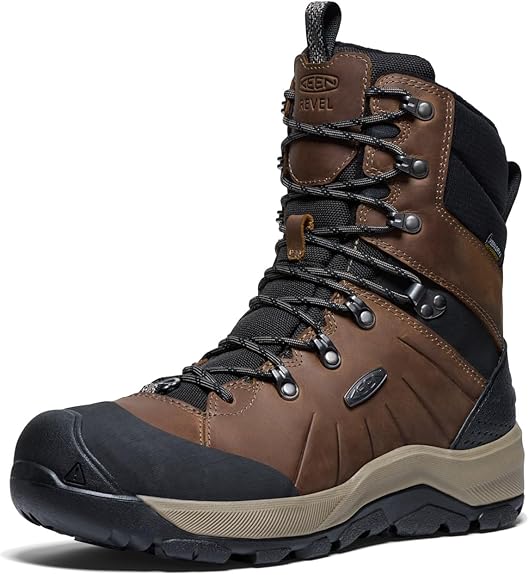
The KEEN Revel 4 High Polar is built for Midwest hikers who don’t cancel trips just because it’s cold. It delivers serious warmth, dependable traction, and a tall, protective build that works well in deep snow and icy sections. Despite the insulation, it remains comfortable while moving, making it a strong all-around winter hiker.
Traction holds up well on packed snow and refrozen trail sections, while the waterproof construction keeps slush and meltwater out. This is a great choice for long winter days when conditions stay cold from start to finish.
➡️ Read our full KEEN Revel 4 High Polar Midwest review
➡️ Check Men’s Price on Amazon
➡️ Check Women’s Price on Amazon
Key Features
- Insulated winter hiking design
- Cold-weather traction outsole
- Waterproof construction
- High-cut profile for snow protection
✅ What We Like
- Excellent warmth for cold hikes
- Reliable grip on icy trails
- Durable build for winter abuse
❌ What We Don’t Like
- Heavier than lightweight hikers
➡️ Check Men’s Price on Amazon
➡️ Check Women’s Price on Amazon
2. Best for Technical Terrain: Hoka Kana 2 Frost GTX
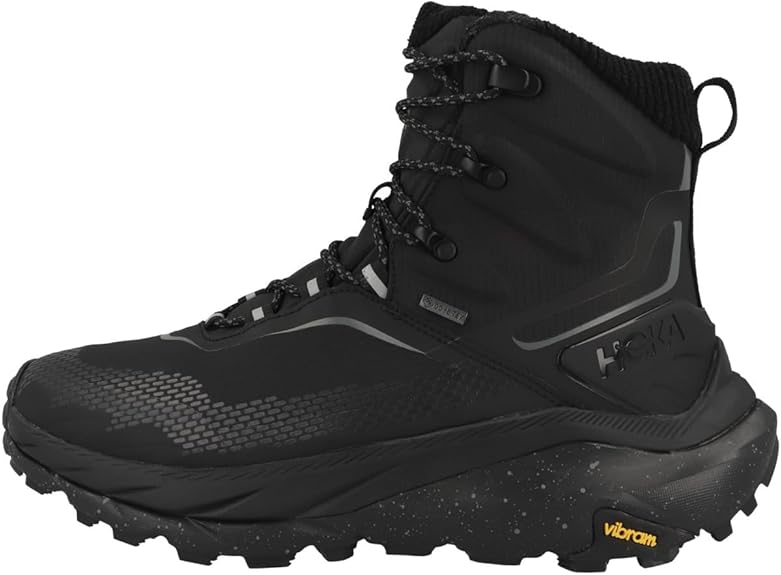
The Hoka Kana 2 Frost GTX shines on uneven, technical Midwest trails where stability and comfort matter most. Its cushioned platform reduces fatigue on frozen ground, while waterproof protection handles slush and wet snow without issue.
This boot feels confident on mixed surfaces, icy rock, muddy climbs, and packed snow, making it ideal for longer hikes with elevation or rough footing. It’s less about standing still in extreme cold and more about moving efficiently through winter terrain.
➡️ Read our full Hoka Kana 2 Frost GTX Midwest review
➡️ Check Men’s Price on Amazon
➡️ Check Women’s Price on Amazon
Key Features
- Waterproof Gore-Tex construction
- Cushioned, stable midsole
- Winter-ready outsole design
✅ What We Like
- Excellent comfort on long hikes
- Stable on uneven terrain
- Stays dry in slush
❌ What We Don’t Like
- Bulkier feel than traditional hikers
➡️ Check Men’s Price on Amazon
➡️ Check Women’s Price on Amazon
3. Best Daily Winter Hiker: Danner Arctic 600 Side-Zip
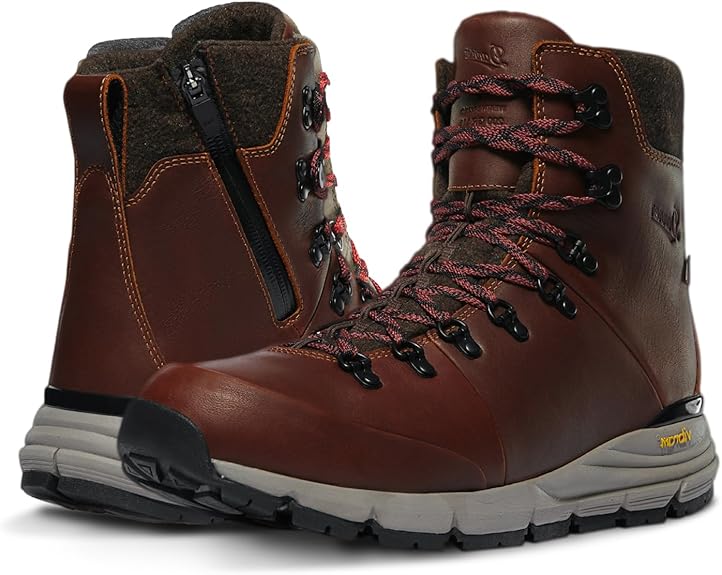
The Danner Arctic 600 Side-Zip is ideal for hikers who mix trail time with everyday winter use. It offers solid warmth, dependable grip, and the convenience of a side zip for quick on/off during cold mornings.
On Midwest trails, it stays predictable on icy dirt and refrozen mud while remaining comfortable for extended wear. This boot is a great crossover option for people who hike in winter but don’t want a dedicated mountaineering-style boot.
➡️ Read our full Danner Arctic 600 Side-Zip Midwest review
➡️ Check Men’s Price on Amazon
➡️ Check Women’s Price on Amazon
Key Features
- Insulated winter build
- Side-zip entry
- Cold-weather traction outsole
✅ What We Like
- Easy daily usability
- Balanced warmth for active hiking
- Good grip on mixed surfaces
❌ What We Don’t Like
- Not built for extreme cold standstill use
➡️ Check Men’s Price on Amazon
➡️ Check Women’s Price on Amazon
4. Best Lightweight Option: Merrell Moab Speed 2
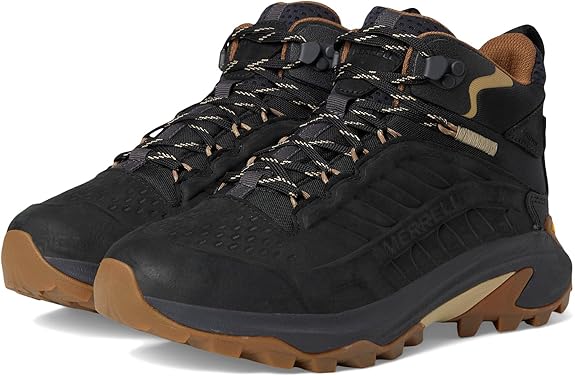
The Merrell Moab Speed 2 is for hikers who want a faster, lighter feel on winter trails. It handles muddy thaw conditions and light snow well, making it a strong option for shoulder-season winter hiking or milder Midwest days.
It doesn’t offer deep-winter insulation, but the traction and waterproofing hold up when trails are slick rather than buried. Ideal for hikers who prioritize agility over maximum warmth.
➡️ Read our full Merrell Moab Speed 2 Midwest review
➡️ Check Men’s Price on Amazon
➡️ Check Women’s Price on Amazon
Key Features
- Lightweight hiking design
- Waterproof upper
- Trail-focused outsole
✅ What We Like
- Easy, agile feel
- Good grip on wet trails
- Comfortable for long walks
❌ What We Don’t Like
- Limited warmth in deep cold
➡️ Check Men’s Price on Amazon
➡️ Check Women’s Price on Amazon
5. Best for Freeze-Thaw Trails: Baffin Zone
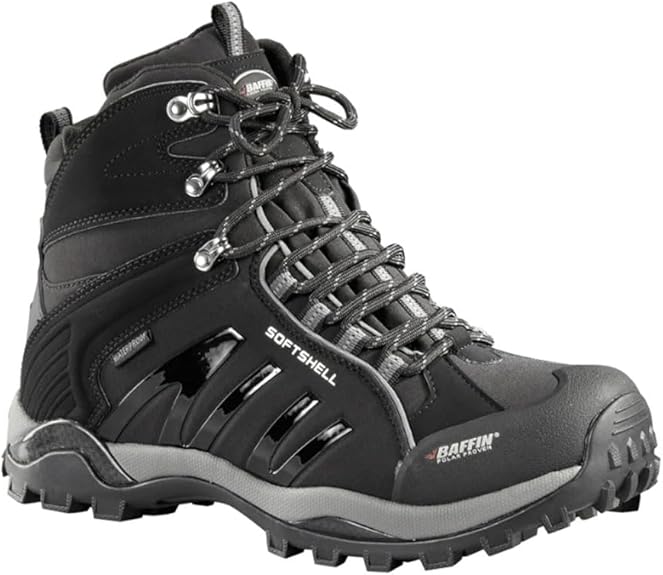
The Baffin Zone was built for exactly what Midwest winter trails throw at you: snow that melts, mud that freezes, and constantly changing footing. It offers dependable traction and waterproof protection without the bulk of extreme cold boots.
It’s best for hikers who keep moving and want consistency through unpredictable conditions rather than maximum insulation.
➡️ Read our full Baffin Zone Midwest review
➡️ Check Men’s Price on Amazon
Key Features
- Waterproof winter hiking build
- Cold-weather flexible outsole
- Supportive midsole
✅ What We Like
- Excellent grip in freeze-thaw conditions
- Comfortable for longer hikes
- Lighter than deep-winter boots
❌ What We Don’t Like
- Not meant for standing still in extreme cold
- No equivalent version for women
➡️ Check Men’s Price on Amazon
6. Best Minimalist Feel: Xero Alpine
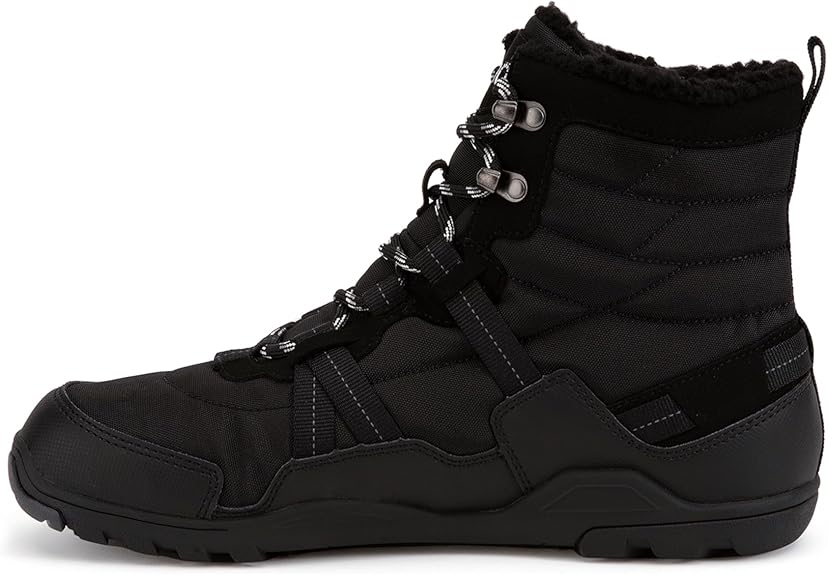
The Xero Alpine is a unique option for hikers who prefer ground feel and flexibility even in winter. It handles snow-covered trails and icy patches better than expected while staying lightweight and natural underfoot.
This boot is best for experienced hikers who value mobility and don’t need heavy insulation.
➡️ Read our full Xero Alpine Midwest review
➡️ Check Men’s Price on Amazon
➡️ Check Women’s Price on Amazon
Key Features
- Minimalist winter design
- Waterproof construction
- Flexible outsole
✅ What We Like
- Natural ground feel
- Lightweight and packable
- Surprising traction on snow
❌ What We Don’t Like
- Less insulation than traditional winter hikers
➡️ Check Men’s Price on Amazon
➡️ Check Women’s Price on Amazon
7. Best Support & Stability: Oboz Bridger
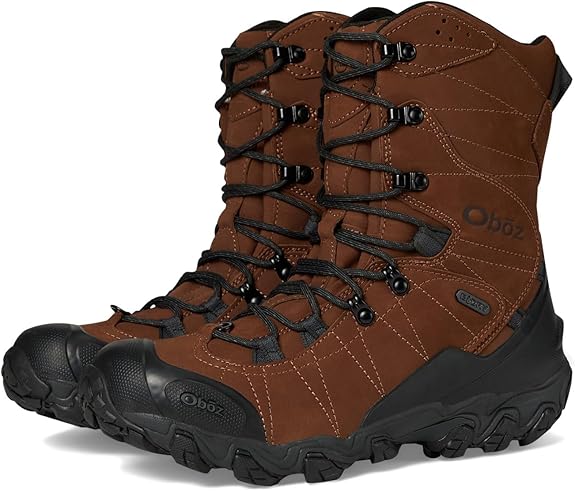
The Oboz Bridger is built for hikers who want structure and ankle support on winter terrain. It excels on icy switchbacks, uneven trails, and longer hikes where stability matters most.
Warmth and waterproofing are well-balanced for Midwest winters, making it a dependable choice for serious cold-weather hiking.
➡️ Read our full Oboz Bridger Midwest review
➡️ Check Men’s Price on Amazon
➡️ Check Women’s Price on Amazon
Key Features
- Supportive hiking platform
- Waterproof winter build
- Stable outsole design
✅ What We Like
- Excellent stability
- Durable construction
- Comfortable for long hikes
❌ What We Don’t Like
- Heavier than minimalist options
➡️ Check Men’s Price on Amazon
➡️ Check Women’s Price on Amazon
Quick Picks Recap
- Best Overall: KEEN Revel 4 High Polar
- Best Lightweight: Merrell Moab Speed 2
- Best Freeze-Thaw Trails: Baffin Zone
For most Midwest winter hikers, the KEEN Revel 4 High Polar offers the best balance of warmth, traction, and durability across changing conditions. If your trails are more technical and mileage-heavy, the Hoka Kana 2 Frost GTX is a standout for comfort and stability. Choose the boot that matches how, and where you hike when Midwest winter hits its worst.
