

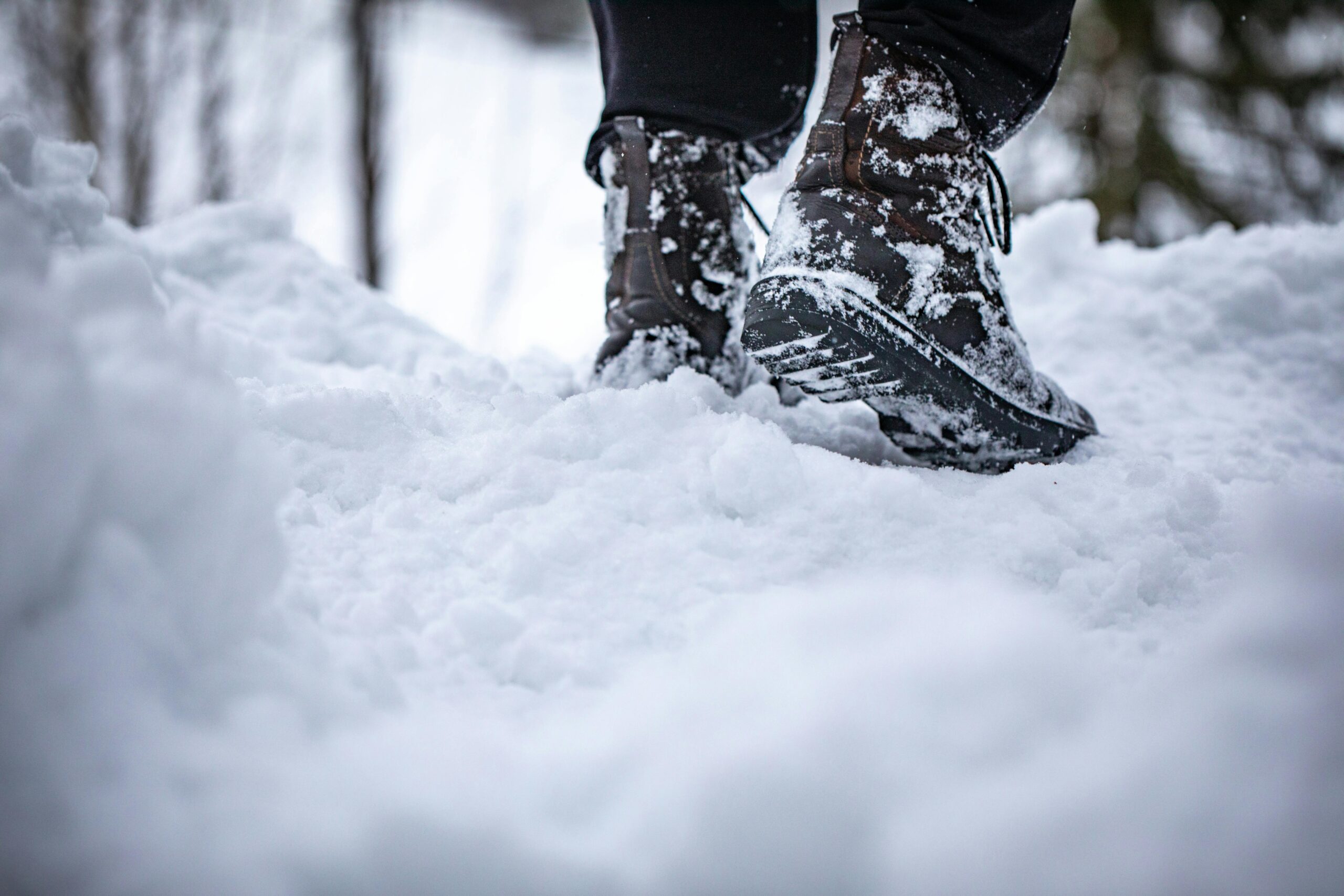
Laces freeze. Fingers fumble with frozen strings. That moment when you’re juggling grocery bags, a crying toddler, and trying to tie boots in minus-10 weather, you question every life choice that led to lace-up boots.
But convenience means nothing if boots fail at their primary job, keeping feet warm and dry through Midwest winters. Too many “slip-on winter boots” sacrifice insulation for ease of entry, or waterproofing for quick access, leaving users with cold, wet feet despite the convenience.
After extensive testing and research across multiple Midwest winters, evaluating dozens of slip-on options through slush commutes, snowy errands, and daily winter routines, we’ve identified slip-on boots that deliver genuine winter performance alongside easy entry. These aren’t compromised boots with convenient access. They’re legitimate winter boots that happen to slip on.
Understanding Slip-On Winter Boot Trade-Offs
Slip-on designs inherently create challenges for winter boots. Understanding these helps identify boots that minimize compromises.
The Fit Challenge
Traditional lace-up boots allow precise fit adjustment. Tighten laces across the instep, secure the heel, customize for different sock thicknesses. Slip-on boots surrender this adjustability for convenience.
The result: slip-ons either fit perfectly or they don’t. Without lacing to compensate, improper fit creates problems. Too loose allows heel slip and cold air entry. Too tight restricts circulation, paradoxically making feet colder despite adequate insulation.
Quality slip-on winter boots address this through careful last design, wider in the forefoot, snug through the heel and ankle. Elastic panels (Chelsea boots) or stretchy materials (neoprene) provide some adjustability without laces.
Shaft Height and Snow Entry
Slip-on boots need wide enough openings for feet to enter easily. This creates vulnerability to snow infiltration compared to lace-up boots with tightened shafts.
According to professional testing, Chelsea-style slip-ons are “super convenient” but the “slip-on design” means “the ankle opening of the boot is wide” which “allows more snow and water to enter the boot.”
Taller slip-on boots (Muck, BOGS) minimize this through extended shaft height. Chelsea boots accept limited deep-snow capability as the trade-off for refined styling.
Ankle Support Limitations
Without lacing to secure ankles, slip-on boots provide less lateral stability than lace-ups. For technical winter hiking or uneven terrain, this matters. For daily winter use, sidewalks, parking lots, errands, most users don’t notice the difference.
The Convenience Payoff
Despite trade-offs, slip-on convenience delivers real benefits:
Morning Routines: Getting out the door faster reduces winter stress significantly. No fumbling with laces while managing kids, pets, or work bags.
Constant Transitions: Multiple daily trips outside, grabbing mail, letting dog out, checking on car, become less annoying when boots slide on instantly.
Accessibility: People with limited mobility, arthritis, or back problems find slip-ons dramatically easier than bending to lace boots.
Cold Fingers: Once outside in the cold, removing and re-donning boots requires no finger dexterity for laces.
The 6 Best Slip-On Winter Boots for Midwest Winters
1. Best Overall Slip-On: Blundstone All-Terrain Thermal (#2241)
The Blundstone All-Terrain Thermal represents the slip-on winter boot gold standard through refined design perfected over decades.
Slip-On Convenience Excellence: According to extensive field testing, “For grab-and-go convenience, this design is hard to beat” as “a slip-on boot, the All-Terrain Thermal is far easier to get on and off than most of the lace-up winter boots” with “elastic side panels and dual pull tabs at the front and back make it a breeze to slide into, making it an ideal option for quick errands, grabbing the mail, or a short shovel session on the driveway.”
Professional gear reviewers confirm these boots “slip on and off easily” providing “comfort and protection for commuting and errands” with design that “stands out for its incredible comfort and stylish looks.”
200g Thinsulate + Sheepskin Footbed: The combination creates warmth adequate for moderate Midwest temperatures. Users report “For winter conditions, the wicking-and-warm Thinsulate keeps your feet insulated, but your toes will be happiest with the soft sheepswool footbed” which provides insulation while the “wool and Vibram sole keep you well insulated from cold ground.”
Fully Waterproof Construction: According to Blundstone’s specifications, the #2241 is “100% waterproof, even the elastics, for comfort and performance all winter long” with “waterproof elastic and sealed seams” creating comprehensive moisture protection.
Vibram Outsole: The upgraded Vibram rubber provides better traction than standard Blundstone soles, though testing notes the “outsole has shallow lugs and minimal spacing between them, creating a mostly flat profile” that works well “on pavement” but is “ill-suited for snow, ice, or even moderate mud.”
Comfort and Fit: Multiple reviewers confirm these boots “feel well-made, are comfortable, and work across a wide range of applications” with immediate wearability and “sheepskin footbed wore down in a few places” over time but boots still “provide warmth.”
Styling Versatility: The Chelsea boot design works in contexts beyond pure outdoor use. Professional testing notes these are “stylish, comfortable, and convenient winter boot that will excel for style-minded city dwellers” as “go-to footwear option for city dwellers who need extra winter comfort.”
Critical Sizing: These run large. Most users size down at least half a size. One tester notes “Compared to my regular, non-thermal Blundstone All-Terrain in the same size, this version felt noticeably looser around the forefoot and ankle. I would have sized down a half-size if I’d known.”
Performance Boundaries: The 6-inch shaft height limits deep snow protection. The 200g insulation suits mild-to-moderate cold but struggles in extreme cold during stationary exposure. Testing confirms these work best “around town with the occasional front country excursion” rather than serious winter hiking or extreme conditions.
➡️ Check Men’s Price on Amazon
➡️ Check Women’s Price on Amazon
Best For: Style-conscious users wanting refined slip-on convenience for urban winter use in moderate conditions who value ease of access alongside legitimate winter protection.
2. Best Plush Slip-On Option: UGG Adirondack XXV
The UGG Adirondack XXV technically features laces, but according to long-term users, “I have a high instep, so to circumvent having to lace them up super tightly, I leave them unlaced like slip-ons. This makes them great for sliding on when I need to run out for a quick errand.”
17mm UGGplush Lining: Professional testing confirms these boots provide “plush interior lining, soft and springy insole, and lightweight and responsive feel” with “soft wool with insulative backer lines the entire interior, including underfoot, giving the boot a slipper-like feel that is comfortable even without socks.”
Extreme Warmth Rating: According to UGG specifications, these feature “Xerogel insulation that keeps you warm in temps as low as -32ºC” (-25.6°F). Users confirm “I can confirm that they keep you warm in temperatures as low as -25.6 degrees Fahrenheit” with “feet were the warmest part of my body” during “veritable ice storms.”
Fully Waterproof: The XXV version features “fully waterproof genuine leather and suede” with “waterproof membrane bootie” and “sealed gusseted tongue to block slush from creeping in.”
Vibram ICETREK Outsole: Testing notes “Thanks to a rubber Vibram outsole, which is used on everything from hiking boots to athletic shoes, I feel stable and secure walking across streets coated with sheets of ice.”
Slip-On Use Reality: While these have laces, the generous fit and plush lining allow slip-on use if sized properly. The cuffable shaft “can wear the shaft straight up for maximum coverage or fold it down to show the lining” providing styling versatility.
Weight and Fit: At approximately 2.4 pounds per pair, these feel lighter than expected for the warmth provided. True to size for most users, though some report needing to size up for thick socks.
Premium Investment: At $280-300, these cost significantly more than other slip-on options. Long-term users justify this: “mine have held their shape, retained their cushioned footbed, and maintained adequate traction for half a decade, I’ve saved tons of money not having to invest in several pairs of boots.”
➡️ Check Men’s Price on Amazon
➡️ Check Women’s Price on Amazon
Best For: Users wanting maximum warmth and plush comfort who can wear lace-up boots unlaced as slip-ons and are willing to invest in premium quality.
3. Best Maximum Waterproof Slip-On: Muck Boot Arctic Ice Tall
The Muck Boot Arctic Ice Tall delivers absolute waterproof protection in convenient pull-on design handling the worst Midwest wet conditions.
100% Waterproof Neoprene: The seamless 5mm CR Flex-Foam neoprene combined with rubber shell creates impenetrable moisture barrier. Stand in slush all day, feet stay completely dry.
Pull-On Convenience: No laces, no zippers, no complications. Pull on, pull off. The stretchy neoprene accommodates entry easily while sealing against legs once on.
Extreme Cold Rating: Warmth rated to minus-60°F with 2mm thermal foam underfoot providing ground insulation critical for stationary outdoor work.
16-Inch Shaft: Exceptional coverage prevents snow entry even in deep conditions. The tall height protects comprehensively against wet snow, slush, and deep puddles.
Self-Adjusting Neoprene Fit: The neoprene naturally stretches to accommodate various foot widths and leg circumferences, then rebounds to seal snugly. This creates secure fit without requiring laces.
Weight Reality: At over 4 pounds per pair, these feel substantial. The weight justifies the protection for outdoor work or extreme conditions but causes fatigue during extended active use.
Breathability Limitation: The full neoprene construction traps all moisture. Expect sweaty feet during indoor wear or active use above 40°F.
Best For: Users needing absolute waterproof protection and extreme cold capability for outdoor work, livestock care, or extended wet exposure who can accept weight for performance.
➡️ Check Men’s Price on Amazon
➡️ Check Women’s Price on Amazon
4. Best Chelsea Slip-On Alternative: BOGS Arcata Chelsea
The BOGS Arcata Chelsea provides BOGS waterproof reliability in refined Chelsea styling with easy slip-on access.
Neo-Tech Waterproof: The 100% waterproof construction keeps feet dry through slush, wet snow, and puddles. Hand-lasted rubber creates seamless moisture barrier.
Chelsea Convenience: Elastic side panels make entry and exit effortless. Pull tabs front and back assist when needed.
Moderate Insulation: Adequate warmth for typical Midwest temperatures without excessive bulk that would compromise the sleeker Chelsea profile.
Rebound Cushioning: BOGS proprietary cushioning provides shock absorption reducing foot fatigue during extended wear.
Styling Advantage: The Chelsea design looks less obviously utilitarian than traditional BOGS boots while maintaining waterproof performance.
Fit Considerations: The fixed sizing (no laces) means these either fit or don’t. Try before buying if possible. Elastic panels provide some accommodation but less than fully adjustable lace-ups.
➡️ Check Men’s Price on Amazon
Best For: Users wanting BOGS waterproof reliability in more refined styling with Chelsea slip-on convenience.
5. Best Women’s Slip-On: KEEN Greta II Waterproof
The KEEN Greta II delivers KEEN’s signature comfort in women’s-specific slip-on winter boot.
KEEN.WARM 200g Insulation: Provides adequate warmth for moderate Midwest temperatures during active use.
KEEN.DRY Waterproof Membrane: Keeps feet dry while allowing breathability, important during indoor/outdoor transitions.
Dual Pull Tabs: Front and back tabs make entry effortless even with gloved hands.
KEEN Comfort: The metatomical footbed provides arch support and cushioning characteristic of KEEN boots.
Mid-Height Design: Approximately 7-inch shaft provides good coverage without excessive bulk.
Women’s-Specific Last: Designed for women’s feet rather than simply scaled-down men’s boots, providing better proportional fit.
➡️ Check Women’s Price on Amazon
Best For: Women wanting KEEN comfort and quality in convenient slip-on winter boot for moderate conditions.
6. Best Lightweight Slip-On: Baffin Cloud Low
The Baffin Cloud Low provides lightweight slip-on convenience with adequate winter protection at budget-friendly pricing.
Lightweight Construction: Feels substantially lighter than traditional winter boots, reducing leg fatigue during extended wear.
Waterproof Protection: B-Tek waterproof membrane keeps feet dry through typical winter conditions.
Slip-On Design: Easy entry and exit makes these practical for constant transitions.
Moderate Warmth: Adequate insulation for mild-to-moderate cold during active use.
Budget Accessibility: At $100-120, these make slip-on winter boots accessible without premium pricing.
Performance Limitations: The lighter construction and moderate insulation suit casual use but struggle with extreme conditions or heavy daily wear.
➡️ Check Men’s Price on Amazon
➡️ Check Women’s Price on Amazon
Best For: Budget buyers needing lightweight slip-on convenience for moderate winter use.
Comparing Slip-On Winter Boots: Quick Reference
| Boot Model | Price | Style | Warmth Rating | Waterproof | Best Feature |
|---|---|---|---|---|---|
| Blundstone Thermal | $265-280 | Chelsea | 20-35°F | 100% | Refined convenience |
| UGG Adirondack XXV | $280-300 | Lace-up (worn unlaced) | -25°F | Fully waterproof | Plush warmth |
| Muck Arctic Ice | $150-180 | Pull-on | -60°F | 100% neoprene | Maximum protection |
| BOGS Arcata Chelsea | $120-140 | Chelsea | 20-35°F | 100% | Chelsea waterproof |
| KEEN Greta II | $140-160 | Slip-on mid | 15-30°F | KEEN.DRY | Women’s comfort |
| Baffin Cloud Low | $100-120 | Slip-on low | 25-40°F | B-Tek | Lightweight budget |
Looking for More Midwest Winter Boot Guides?
If you’re still comparing options or want boots built for different winter conditions, check out our main hub covering everyday winter wear, ice traction, and extreme cold picks for the Midwest:
👉 Best Winter Boots For Midwest Winters (2026 Guide)
The Bottom Line: Best Slip-On for Most Users

For most Midwest users wanting refined slip-on convenience, the Blundstone All-Terrain Thermal delivers optimal balance of styling, comfort, and winter protection. The Chelsea design works in multiple contexts while providing legitimate warmth and waterproofing for typical winter use.
Users needing maximum waterproof protection choose the Muck Boot Arctic Ice Tall, accepting weight and bulk for absolute moisture barrier and extreme cold capability.
The UGG Adirondack XXV, while technically lace-up, provides plush comfort for those willing to wear unlaced as slip-ons and invest in premium warmth.
Budget-conscious buyers find adequate performance in the Baffin Cloud Low, accepting shorter lifespan for lower cost.
FAQs
Yes, when properly designed. Warmth comes from insulation, not closure method. The Muck Arctic Ice (pull-on) rates to -60°F. The UGG Adirondack XXV rates to -25°F. The Blundstone Thermal with 200g insulation handles moderate cold adequately. Choose slip-ons with adequate insulation for your coldest exposure.
Quality slip-on boots use careful last design, elastic panels, or stretchy materials creating secure fit without laces. Poor-fitting slip-ons cause heel slip and allow snow entry. Proper sizing is critical, try before buying if possible.
Depends on shaft height. Tall pull-on boots (Muck Arctic Ice at 16 inches) handle deep snow. Chelsea boots (Blundstone at 6 inches) allow snow entry in deep conditions. Match shaft height to your typical snow depth.
Quality slip-on construction requires more precise engineering to achieve secure fit without laces. The elastic panels, stretchy materials, and careful last design add manufacturing cost. However, budget options exist ($100-140 range) providing acceptable performance.
For moderate winter use, urban sidewalks, light snow, commuting, Chelsea boots like Blundstone Thermal work well. For deep snow, extreme cold, or extended outdoor exposure, taller pull-on boots or insulated lace-ups perform better. Chelsea boots prioritize convenience and styling over maximum protection.
