


If you have wide feet, you know the winter boot struggle. That painful pinch across the ball of your foot. Toes crammed together like sardines. Numbness creeping in after an hour. The constant choice between boots that fit your heel but crush your toes, or boots roomy enough in front but sloppy in back.
Wide feet face unique challenges finding winter boots. Most manufacturers design for average foot widths, leaving those with wider feet struggling to find comfortable options. The problem intensifies with winter boots, insulation, waterproof materials, and supportive construction all add bulk that further restricts already-tight fits.
After extensive testing and research across multiple Midwest winters, trying on dozens of boots, analyzing fit characteristics, consulting with wide-footed users, we’ve identified winter boots that genuinely accommodate wider feet without compromising warmth, waterproofing, or support.
These aren’t just “less narrow” boots. They’re boots designed with roomy toe boxes, wider lasts, and construction acknowledging that feet come in different widths. Whether you’re navigating Midwest slush, shoveling snow, or hiking winter trails, these boots deliver winter performance without the painful squeeze.
Understanding Wide Feet and Winter Boot Fit
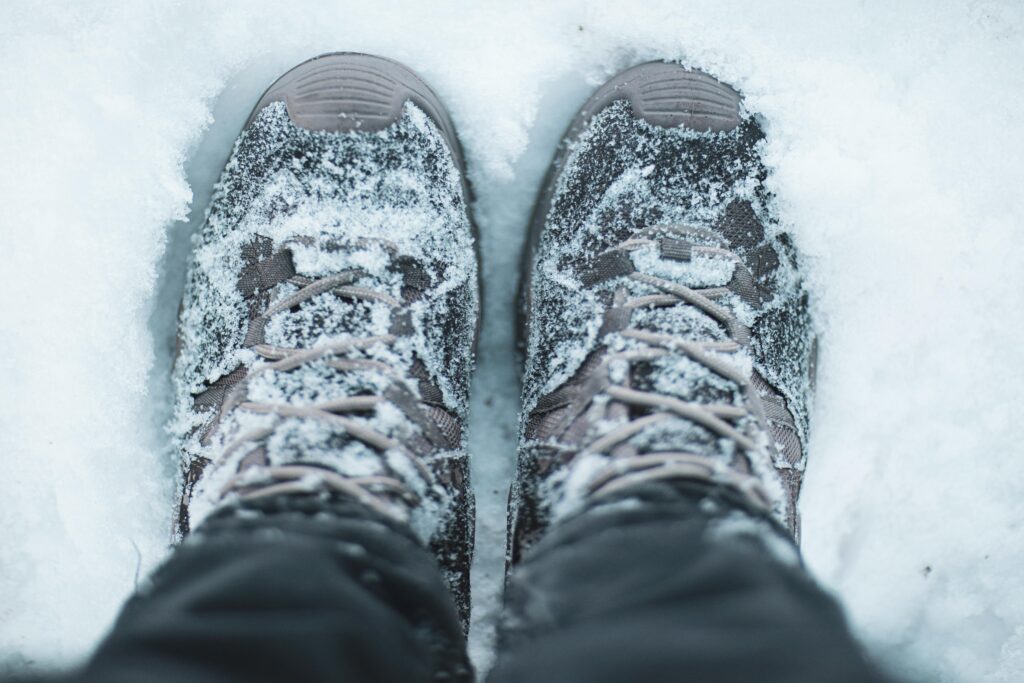
What makes feet “wide” varies. Some people have wider forefeet (ball width). Others have high insteps creating volume needs. Many combine both. Understanding your specific width needs helps identify boots that will actually fit.
The Width Problem Most Manufacturers Ignore
According to extensive testing, most traditional hiking and winter boots are designed for narrow-to-average feet, leaving those with “wider, higher-volume feet” struggling to find comfortable options. The outdoor industry has historically prioritized performance over fit diversity, assuming one width fits all.
This creates real problems for wide-footed users. Boots too narrow restrict circulation, making feet colder regardless of insulation. Cramped toes lose mobility needed to generate warmth. Pressure points cause pain within hours. The very boots supposed to protect feet become sources of misery.
Why Toe Box Shape Matters
Toe box shape affects comfort more than overall boot width. A boot can measure wide at the ball but still taper sharply at toes, crushing them together. True wide-foot-friendly boots maintain width through the entire forefoot, allowing toes to spread naturally.
Natural toe splay promotes circulation, directly improving warmth. It prevents the numbness and pain that plague wide-footed users in narrow boots. For all-day winter wear, this matters immensely.
Volume vs. Width
Some boots accommodating wide feet actually address volume rather than width. High-volume boots provide extra space vertically (over the instep) and horizontally. This benefits people with both wide and high feet.
Standard width boots with low volume pinch the top of feet even when toe box seems adequate. High-volume construction solves this, though it may feel loose on low-volume feet.
Midwest Winter Specific Needs
Midwest winters demand winter boots handling temperature extremes, wet conditions, and varied terrain. Wide-footed users can’t sacrifice performance for fit, they need both.
The challenge: insulation adds bulk inside boots, effectively reducing interior space. Waterproof membranes and linings take up room. Supportive construction uses thicker materials. All of this makes achieving adequate width harder.
Quality wide-friendly boots engineer these elements thoughtfully, maintaining room where it matters while providing winter protection.
The 7 Best Winter Boots for Wide Feet
1. Best Overall for Wide Feet: Oboz Bridger 10″ Insulated
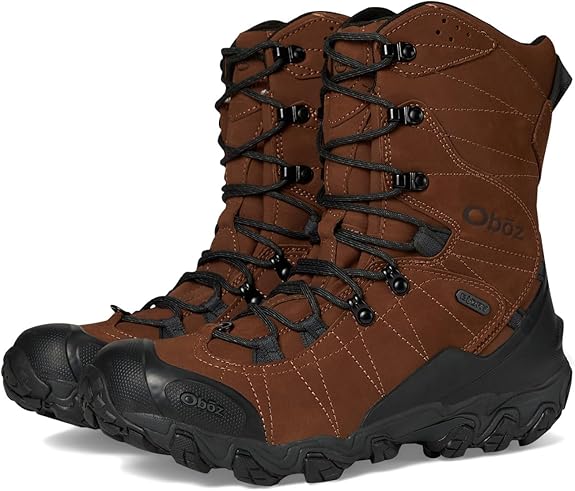
The Oboz Bridger consistently earns praise as a top choice for wide feet. According to extensive field testing, “Even in the standard, non-wide sizing, the Bridger feels wider than most, so this would likely be my top recommendation for folks with wider, higher-volume feet who struggle to find comfortable hiking boots.”
Wide-Foot-Specific Features: The Bridger’s most notable characteristic is its “uniquely wide and unconstrained” toe box from ball to toe. Multiple reviewers confirm the boot “fits true to size with a fit that works for a wider range of feet than many brands” featuring a “standard fit in the midfoot and toe box” that accommodates wider feet comfortably.
Wide Fit Option Available: Oboz offers dedicated wide sizes providing “more room in the forefoot and toe box.” Users report “The normal size Bridger are too narrow for wide feet. I recommend sizing up to the wide fit.” This dedicated wide option ensures even the widest feet find comfortable fit.
Heel Security with Toe Room: The Bridger achieves the difficult balance of securing the heel while leaving “extra room in the toebox for added comfort.” This prevents the common wide-foot problem of choosing between heel slip or crushed toes.
B-DRY Waterproofing: The waterproof membrane plus DWR-treated nubuck leather handles Midwest wet conditions effectively. Testing confirms reliable moisture protection through slush, wet snow, and water crossings.
400g Insulation: Adequate warmth for Midwest temperatures without excessive bulk. The insulation maintains effectiveness without compromising the roomy interior fit.
O FIT Insole Comfort: The exceptional arch support and cushioning “approaching orthotic quality” provides all-day comfort many wide-footed users need. The removable insole accommodates custom orthotics if needed.
Fit Guidance: Most users find true-to-size appropriate for the roomy standard fit. Those with very wide feet should order the dedicated wide option. Size up half a size if planning thick socks.
Weight: At approximately 2.5-2.8 pounds per pair (depending on size), these feel substantial but not excessively heavy for the support and protection provided.
Trade-Offs: The break-in period requires 1-2 weeks of gradual wear. The durable construction feels stiff initially. The roomy fit may feel loose on narrow feet.
➡️ Check Men’s Price on Amazon
➡️ Check Women’s Price on Amazon
Best For: Wide-footed users wanting the best overall winter boot combining roomy fit, excellent support, reliable waterproofing, and proven durability.
2. Best Wide Toe Box Comfort: KEEN Revel IV Mid Polar
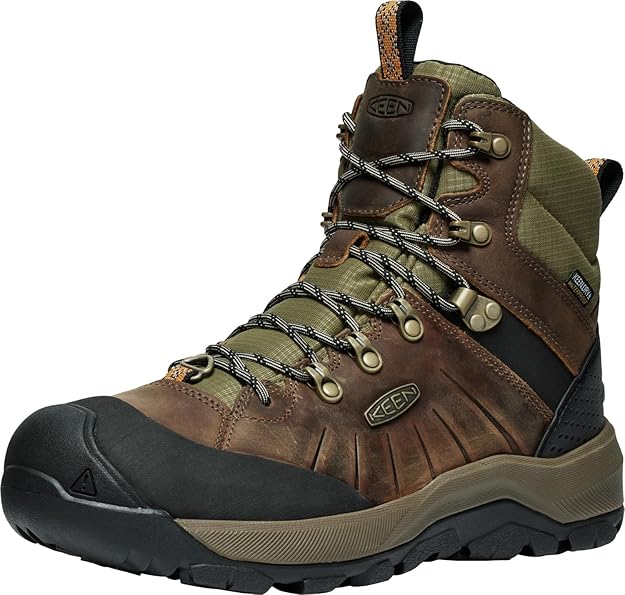
The KEEN Revel IV Mid Polar delivers KEEN’s signature roomy toe box in a capable winter boot. Professional testing confirms “For being a wider-built shoe, the Revel IV Polar is lightweight enough for all-day hikes.”
Roomy Fit Design: Multiple reviews note the Revel “fit is true to size but roomier than most hiking boots, which means more space to wiggle your toes and layer up” with a “roomy toe box” that’s “built for all-day wear and has a roomy fit in the toe box for those with wider feet.”
Wider-Built Construction: Testers with narrow feet report “Testing these boots with a narrow foot, we found the fit to be a little on the wider side” requiring “tighten these down exceptionally well” while “Those with wider feet will find this insulated boot more comfortable.”
KEEN.WARM Insulation: The 200g synthetic insulation provides adequate warmth for active use in typical Midwest temperatures without excessive bulk compromising fit.
KEEN.DRY Membrane: Waterproof breathable protection keeps feet dry while allowing moisture vapor escape, important for preventing sweaty feet in boots you can’t ventilate.
Metatomical Footbed: KEEN’s anatomical footbed design provides arch support and cushioning while the roomier overall fit accommodates wider feet comfortably.
Immediate Comfort: Unlike boots requiring extensive break-in, the Revel feels comfortable within 2-3 wears. The flexible construction adapts quickly.
Weight: At approximately 3.1-3.2 pounds per pair, these feel manageable for all-day wear without excessive fatigue.
Fit Notes: Reviews confirm the fit is “true to size” with “roomy toe box that leaves space for thick socks without feeling loose” though “The toe box is slightly smaller than most Keen shoes but still plenty wide to allow toe movement.”
Trade-Offs: The 7-inch shaft limits deep snow protection compared to taller boots. The 200g insulation suits active use but may feel cold during stationary exposure in extreme cold.
➡️ Check Men’s Price on Amazon
➡️ Check Women’s Price on Amazon
Best For: Wide-footed users wanting immediate comfort in a versatile winter boot with KEEN’s proven roomy toe box design.
3. Best Women’s Wide Waterproof: Baffin Chloe
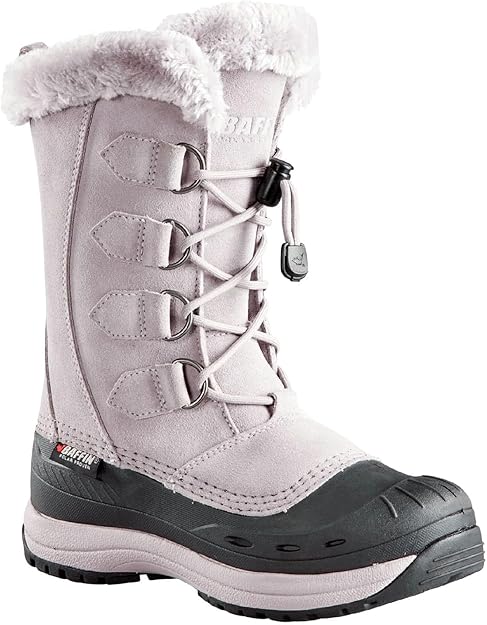
The Baffin Chloe provides women with wider feet a genuinely waterproof option that doesn’t compromise on comfort or warmth.
Generous Fit: The women’s-specific design accommodates wider feet comfortably without the squeeze many women’s boots create. The flexible upper materials conform to foot shape rather than restricting it.
100% Waterproof Construction: The B-Tek Dry membrane and synthetic rubber construction create complete moisture barrier, stand in slush all day without wet feet.
Removable 8-Layer Liner: The multi-layer inner boot system allows temperature customization. Remove layers during milder weather for better fit and breathability. Reinstall for extreme cold.
14-Inch Height: The tall shaft protects against deep snow and prevents snow entry, valuable for women who often receive shorter boots than men despite facing same conditions.
Warmth to Minus-40°F: The rating suits Midwest extreme cold while the removable liner prevents overheating during moderate temperatures.
Lightweight for Protection: At approximately 3 pounds per pair, these feel lighter than expected for the protection level provided.
Fit Guidance: True to size for most users. The generous interior accommodates thick socks without cramping. Wide-footed women find comfortable fit without ordering up.
➡️ Check Women’s Price on Amazon
Best For: Women with wide feet needing absolute waterproof protection and serious cold-weather capability.
4. Best Lightweight Wide Option: Sorel ONA Ave Alpine
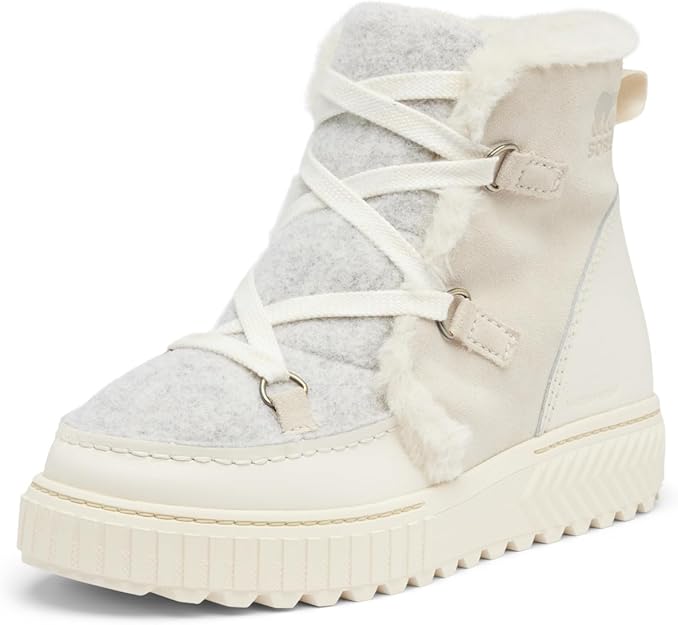
The Sorel ONA Ave Alpine offers style-conscious women a lightweight option, though fit considerations require attention.
Lightweight Construction: At approximately 2.5 pounds per pair, these feel substantially lighter than traditional winter boots, less leg fatigue during extended wear.
Moderate Insulation: The 100g insulation with fleece lining provides warmth for moderate Midwest temperatures without excessive bulk that would tighten interior space.
Waterproof Upper: The treated suede or leather upper resists moisture effectively for typical winter conditions.
Style Versatility: The refined design transitions between outdoor activities and indoor settings, boots appropriate for varied social contexts.
Critical Fit Warning: These run small consistently. Most users need to size up at least half a size, sometimes a full size. The narrow fit through toe box creates issues for wider feet even when sized up. These work better for average-to-narrow feet despite the sizing up.
Strategic Choice: For wide-footed women, these represent a styling option if sized carefully, but other boots in this guide provide better true wide-foot accommodation.
➡️ Check Women’s Price on Amazon
Best For: Women with slightly wider feet willing to size up significantly for lightweight, stylish winter boots for moderate conditions.
5. Best Slip-On Wide Option: Blundstone All-Terrain Thermal
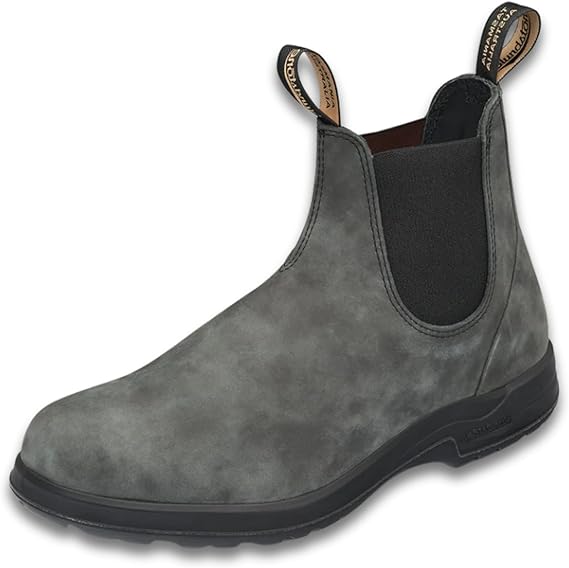
The Blundstone All-Terrain Thermal brings Chelsea boot convenience to winter in a design accommodating wider feet surprisingly well.
Roomy Chelsea Fit: The classic Chelsea boot design with elastic side panels creates naturally roomier fit than lace-up boots. The stretchy sides accommodate various foot widths and volumes comfortably.
No Lacing Restriction: Without laces, there’s no tightening creating pressure across the instep or forefoot, common source of discomfort for wide-footed users in traditional boots.
XRD Cushioning: The heel strike zone features extreme impact protection absorbing shock effectively, reducing foot and leg fatigue during extended wear.
Thinsulate Insulation: Moderate insulation provides warmth for typical Midwest conditions without bulk that would compromise the roomy fit.
Waterproof Leather: Treated leather resists moisture adequately for normal winter conditions, though not 100% waterproof like rubber boots.
Slip-On Convenience: Easy on-off access makes these practical for frequent transitions between indoor and outdoor environments.
Fit Characteristics: Blundstones run large. Most users size down at least half a size. The roomy fit benefits wide feet but may feel loose on narrow feet.
Weight: At approximately 2.8 pounds per pair, these feel lighter than traditional winter boots while providing winter capability.
Trade-Offs: The 6-inch height limits deep snow protection. The moderate insulation suits mild-to-moderate cold but not extreme temperatures.
➡️ Check Men’s Price on Amazon
➡️ Check Women’s Price on Amazon
Best For: Wide-footed users wanting slip-on convenience in refined styling for moderate Midwest winter conditions.
6. Best Budget Wide Comfort: Columbia Bugaboot III
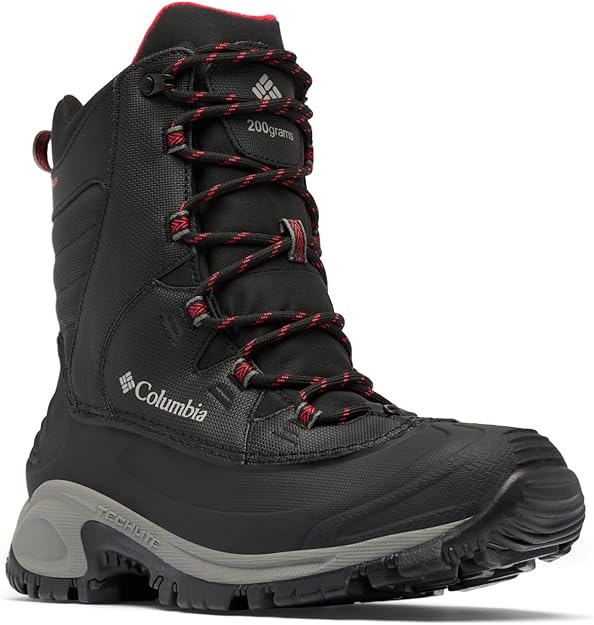
The Columbia Bugaboot III provides budget-friendly comfort for wide feet through generous sizing and immediate wearability.
Roomy Fit Out of Box: These feel comfortable immediately without break-in. The soft materials and generous interior accommodate wider feet without the painful adaptation period stiffer boots require.
Omni-Heat Technology: The reflective lining adds warmth without insulation bulk that would tighten fit. This benefits wide-footed users by maintaining interior space while boosting thermal retention.
200g Insulation: Adequate warmth for moderate Midwest conditions without excessive bulk compromising the roomy interior.
Omni-Tech Waterproofing: The membrane provides reliable moisture protection for typical winter conditions, slush, wet snow, light puddles.
Affordable Access: At $80-95, these make comfortable wide-fitting boots accessible to budget-conscious buyers.
Immediate Comfort: The flexible construction and soft materials create comfort from first wear, no painful break-in required.
Fit Guidance: True to size with generous fit accommodating wider feet comfortably. The roomy interior works with thick socks without cramping.
Durability Reality: At budget pricing, expect 1-2 seasons of heavy use. Materials can’t match premium options but provide good value for cost.
Weight: At approximately 2.5-3 pounds per pair, these feel reasonable for the price and protection provided.
➡️ Check Men’s Price on Amazon
➡️ Check Women’s Price on Amazon
Best For: Budget buyers with wide feet needing immediate comfortable fit for moderate winter use.
7. Best Maximum Waterproof for Wide Feet: Muck Boot Arctic Ice Tall
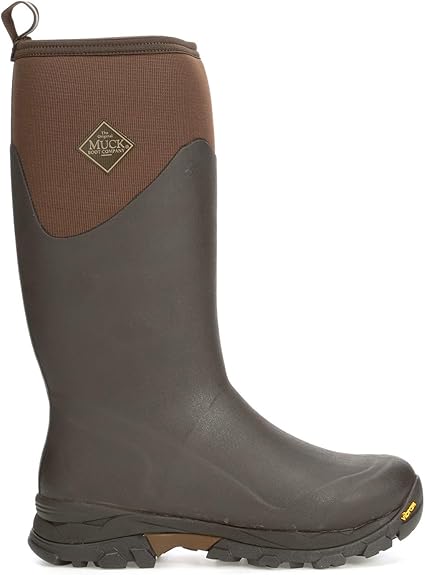
The Muck Boot Arctic Ice Tall delivers absolute waterproof protection in construction naturally accommodating wider feet.
Neoprene Stretch Fit: The 5mm CR Flex-Foam neoprene bootie stretches to accommodate various foot shapes including wider widths. Unlike rigid leather or synthetic boots, neoprene flexes with foot contours.
No Constriction: The pull-on design eliminates lacing that can create pressure points across wide forefeet. The stretchy construction moves with feet rather than restricting them.
100% Waterproof: The seamless neoprene combined with rubber shell creates impenetrable moisture barrier. Stand in slush all day, feet stay completely dry.
Warmth to Minus-60°F: The extreme cold rating with 2mm thermal foam underfoot provides serious protection for the coldest Midwest days.
Tall 16-Inch Shaft: Exceptional coverage prevents snow entry even in deep conditions, protection matching men’s boots rather than shortened women’s versions.
Self-Adjusting Fit: The neoprene naturally adjusts to foot width and volume, accommodating wider feet without requiring wide-specific sizing.
Weight: At over 4 pounds per pair, these feel substantial. The weight justifies the protection for outdoor work or extreme conditions but may cause fatigue during active use.
Fit Guidance: Most users find true-to-size appropriate. The stretchy neoprene accommodates width variations. The generous interior works with thick socks.
Trade-Offs: The full neoprene construction doesn’t breathe. Expect sweaty feet during indoor wear or active use above 40°F. The bulk makes these impractical for anything beyond weather protection.
➡️ Check Men’s Price on Amazon
➡️ Check Women’s Price on Amazon
Best For: Wide-footed users needing absolute waterproof protection and extreme cold capability who can accept weight for performance.
Comparing Wide-Foot-Friendly Winter Boots: Quick Reference
| Boot Model | Price | Width Feature | Warmth Rating | Best For |
|---|---|---|---|---|
| Oboz Bridger 10″ | $190-220 | Roomy toe box + wide option | -10°F | Overall best wide fit |
| KEEN Revel IV | $145-180 | Roomy toe box, wider build | 15-20°F | Immediate wide comfort |
| Baffin Chloe | $150-180 | Generous women’s fit | -40°F | Women’s waterproof |
| Sorel ONA Ave | $140-160 | Size up (runs small) | 20-35°F | Lightweight style |
| Blundstone Thermal | $220-240 | Chelsea stretch fit | 15-30°F | Slip-on convenience |
| Columbia Bugaboot III | $80-95 | Roomy generous fit | 10-20°F | Budget wide option |
| Muck Arctic Ice | $150-180 | Neoprene stretch | -60°F | Maximum waterproof |
Looking for More Midwest Winter Boot Guides?
If you’re still comparing options or want boots built for different winter conditions, check out our main hub covering everyday winter wear, ice traction, and extreme cold picks for the Midwest:
👉 Best Winter Boots For Midwest Winters (2026 Guide)
Finding the Right Fit: Wide Feet Boot Shopping Guide
How to Determine If You Need Wide Boots
Signs You Need Wide-Width Boots:
- Regular boots pinch across ball of foot within an hour
- Toes feel cramped even in correct length
- Numbness develops in forefoot during wear
- Boots feel tight when laced loosely
- You consistently size up for width, creating excess length
Measuring Your Foot Width: Stand on paper, trace foot outline. Measure widest part of forefoot (ball). Compare to width charts. Widths typically range: B (narrow), D (average men’s/B women’s), 2E/EE (wide), 4E/EEEE (extra wide).
In-Store Fitting Tips
What to Bring:
- Socks you’ll actually wear with boots (not thin dress socks)
- Afternoon timing when feet are slightly swollen
- Orthotics if you use them
Fitting Process:
- Measure both feet (they often differ)
- Start with wide-known brands (Oboz, KEEN)
- Assess toe box first, should allow toe wiggle
- Check width across ball, should feel snug not tight
- Walk around store 10-15 minutes
- Lace fully as you would outside
Online Ordering Strategies
When Buying Online:
- Order from retailers with free returns (REI, Zappos, Amazon)
- Buy multiple sizes if uncertain
- Wear indoors only until deciding
- Walk around house in socks to test fit without marking soles
Size Guidance by Brand:
- Oboz: True to size, wide option available
- KEEN: True to size, naturally roomier
- Blundstone: Size down half size
- Columbia: True to size, generous fit
- Muck: True to size, stretchy accommodates width
The Bottom Line: Best Boot for Your Wide Feet
For most wide-footed users seeking the best overall winter boot, the Oboz Bridger delivers optimal combination of roomy fit, excellent support, reliable waterproofing, and proven durability. The dedicated wide option ensures even the widest feet find comfortable accommodation.
KEEN’s signature roomy toe box makes the Revel IV excellent for those wanting immediate comfort without break-in, though the moderate insulation suits active use better than stationary exposure.
Women with wide feet needing absolute waterproof protection find excellent value in the Baffin Chloe, while budget-conscious buyers get surprising comfort from the Columbia Bugaboot III.
The key is prioritizing fit over features. A boot with perfect waterproofing and insulation means nothing if it crushes your feet. Start with brands known for wider fits (Oboz, KEEN), consider dedicated wide options, and never compromise comfort for appearance or features.
Because when your boots actually fit your feet, winter becomes manageable rather than miserable.
FAQs
Dedicated wide boots provide better fit. Sizing up regular boots creates excess length while the width may still be inadequate. Wide boots maintain proper proportions, correct length with increased width. If brands offer wide options (Oboz, some KEENs), choose those over sizing up regular widths.
Usually no. Most brands offering wide options price them identically to regular widths. The Oboz Bridger wide costs the same as regular. KEEN’s roomier construction is standard, not upcharged. Specialty wide brands may cost more, but that reflects overall quality not width surcharge.
Sometimes. Men’s boots typically offer wider proportions than women’s. A woman wearing women’s 9 might find men’s 7-7.5 provides better width. However, men’s boots have different proportions (longer heel-to-ball, different instep height). Try both if possible. Some brands (Oboz, KEEN) offer women’s boots with adequate width.
Insoles reduce interior space, making boots tighter not wider. For wide feet, replacing stock insoles with thinner alternatives creates slightly more room, but this compromises support and cushioning. Better to choose boots fitting properly initially than trying to modify inadequate boots.
Varies by construction. Soft materials (Columbia Bugaboot, neoprene boots) require minimal break-in. Leather boots (Oboz Bridger) need 1-2 weeks gradual wear. Wide fit doesn’t eliminate break-in but prevents the extreme discomfort narrow boots cause wide feet during adaptation period.
