

When you’re facing another brutal Midwest winter, the kind where slush puddles freeze overnight into ankle-breaking ice rinks and your morning commute means trudging through six inches of February snow, your boots become more than footwear. They’re survival gear.
But here’s the problem most Midwest residents face: Winter boot reviews obsess over extreme mountaineering or Arctic expeditions. That’s great if you’re summiting Denali, but what about those of us who just need boots that’ll survive the Target parking lot, keep our feet warm during dog walks, and not cost more than our monthly heating bill?
After years of testing boots in Iowa ice storms, Illinois slush, and Minnesota deep freezes, we’ve identified the best value winter boots that deliver genuine Midwest performance without the premium price tag. These aren’t cheap knockoffs that’ll leave you with frozen toes by January. They’re legitimate performers that punch well above their weight class, all for under $150.
What Makes a Winter Boot “Good Value” for Midwest Conditions?
Value isn’t just about finding the cheapest option. A $40 boot that fails after one season costs more than a $120 boot that lasts five years. For Midwest daily use, true value means:
Performance where it counts: You need waterproofing that handles slush soup, traction that grips black ice, and insulation rated for real cold, not just cosmetic “winter styling.”
Durability for daily wear: Unlike occasional-use hiking boots, daily drivers face relentless abuse. Salt corrosion, constant wet-dry cycles, and repetitive flexing at the toe box separate pretenders from performers.
Multi-condition versatility: Midwest weather doesn’t read the calendar. You need boots that work in 35-degree sleet, 10-degree snow, and everything between, often in the same week.
Reasonable price point: The sweet spot sits between $100-$150. Below that, quality suffers. Above it, you’re paying for features you don’t need for daily use.
Understanding Midwest-Specific Boot Requirements
The Midwest throws weather challenges that coastal regions and mountain states simply don’t face. Our winters demand specific boot capabilities:
Slush Management
That gray, chunky slush mixture that accumulates everywhere from November through March tests waterproofing like nothing else. Seam-sealed construction and waterproof membranes aren’t luxuries, they’re requirements. Boots need to keep feet dry when you’re standing in two inches of parking lot slush waiting for your car to warm up.
Ice Traction
Midwest ice isn’t always the clean, white stuff. It’s often hidden under fresh snow, mixed with salt, or disguised as “wet” pavement. Rubber compounds need to stay flexible in cold temps, and lug patterns must shed snow buildup while providing multi-directional grip.
Temperature Fluctuation
A boot that works at minus-10 degrees needs to also function when temperatures spike to 40 degrees the next afternoon. This requires breathability balanced with insulation, typically 200g synthetic insulation hits the sweet spot for daily Midwest use.
Salt Resistance
Road salt accelerates leather degradation and corrodes stitching. Quality materials and protective treatments aren’t just aesthetic concerns, they determine whether your boots survive one season or five.
The Top Value Winter Boots for Midwest Daily Use
1. Columbia Bugaboot III: The Budget Champion ($90-110)
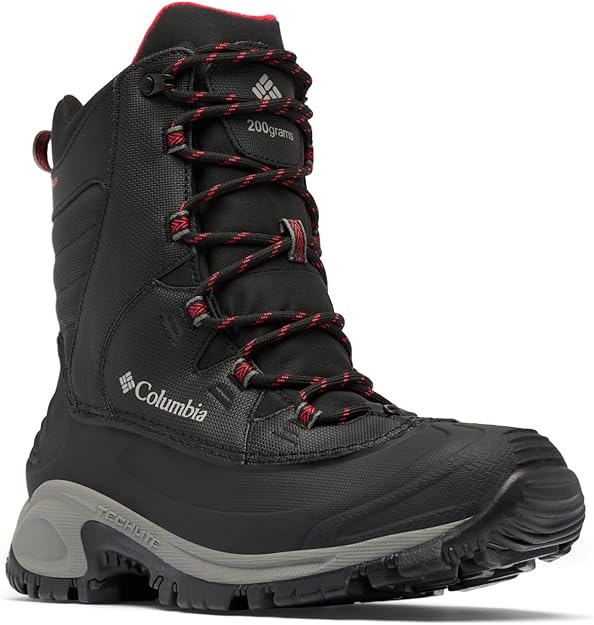
The Bugaboot III consistently appears in “best value” discussions for good reason. This boot delivers legitimate winter performance at a price point that seems almost too good to be true.
What works: The Omni-Heat reflective lining uses metallic dots to bounce body heat back toward your feet, actual thermal technology, not marketing fluff. With 200g insulation, these boots handle temperatures down to minus-25 degrees Fahrenheit. The Omni-Tech waterproof membrane and seam-sealed construction keep slush at bay during extended exposure.
Midwest-specific performance: The Omni-Grip rubber outsole features a lug pattern specifically designed for snow and ice. Multiple testers report solid traction on icy sidewalks and parking lots, the real-world surfaces Midwest residents actually walk on daily.
The compromise: These boots feel slightly bulkier than premium options, and the aesthetic leans utilitarian. If you’re hoping for boots that transition to the office, these might not be your choice. But if you prioritize function over fashion and want boots that simply work, the Bugaboot III delivers exceptional value.
Best for: Budget-conscious buyers who need reliable daily winter protection and don’t mind a bulkier silhouette.
2. Kamik Nation Plus: Cold-Weather Performance Under $100 ($95-105)
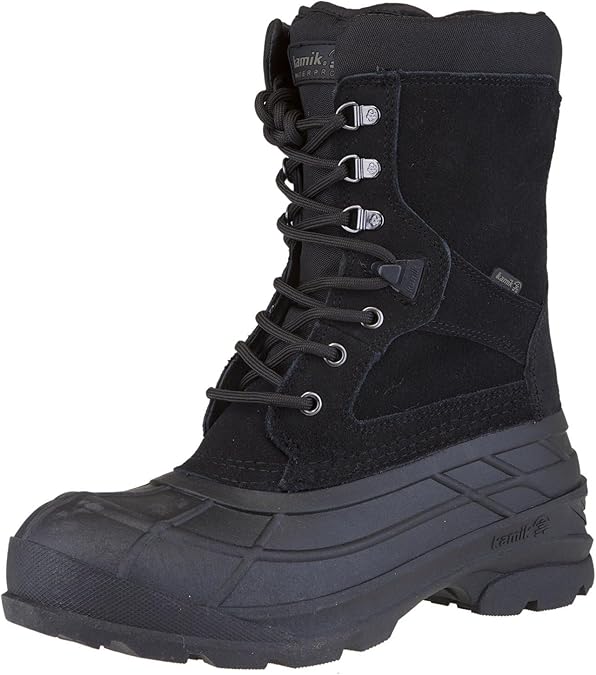
For those facing serious cold, the Kamik Nation Plus offers features typically found in boots costing twice as much. This Canadian brand understands winter, and it shows.
What works: The removable “145” synthetic liner provides insulation comparable to 400g options found in premium boots. The tall shaft height protects against deep snow, while the waterproof rubber shell handles both slush and standing water. The wide opening makes them easy to pull on and off, critical when you’re running in and out all day.
Midwest-specific performance: Testers report exceptional warmth in sub-zero temperatures and impressive waterproofing during extended slush exposure. The aggressive tread pattern grips well in fresh snow and handles moderate ice conditions.
The compromise: These boots add bulk and weight, you wouldn’t want to hike miles in them. The removable liner makes them feel less nimble than lighter options. Traction on hard-packed ice trails slightly behind boots using specialized rubber compounds.
Best for: People who face deep snow regularly, work outdoors, or need maximum warmth without spending $200-plus.
3. Merrell Thermo Chill 2 Mid: The Versatility Winner ($140-150)
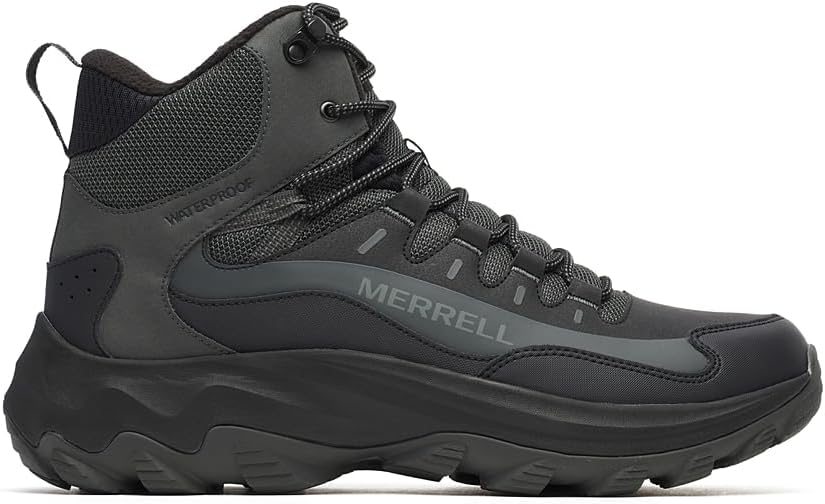
At the top end of the value range, the Thermo Chill 2 Mid offers performance that rivals boots costing significantly more. This boot bridges the gap between casual wear and serious winter hiking capability.
What works: The PU-coated leather upper provides durability without the stiffness of full-grain leather. Waterproofing holds up admirably in real-world testing, while the 6-inch shaft height balances snow protection with everyday wearability. The adv.WARM insulation keeps feet comfortable without causing overheating during active use.
Midwest-specific performance: The outsole compound stays flexible in cold temperatures, providing reliable traction on various surfaces. The trim profile allows these boots to work with regular pants, making them suitable for commutes and errands without the “moon boot” look.
The compromise: The lower shaft height limits protection in snow deeper than six inches. While these boots excel at versatility, dedicated deep-snow boots offer better coverage. At $150, they push the upper limit of “value” pricing, though performance justifies the cost.
Best for: Active users who want one boot for multiple purposes, daily wear, light hiking, and winter errands, and are willing to invest slightly more for versatility.
4. Columbia Minx Shorty IV: Comfort-First Value ($85-100)
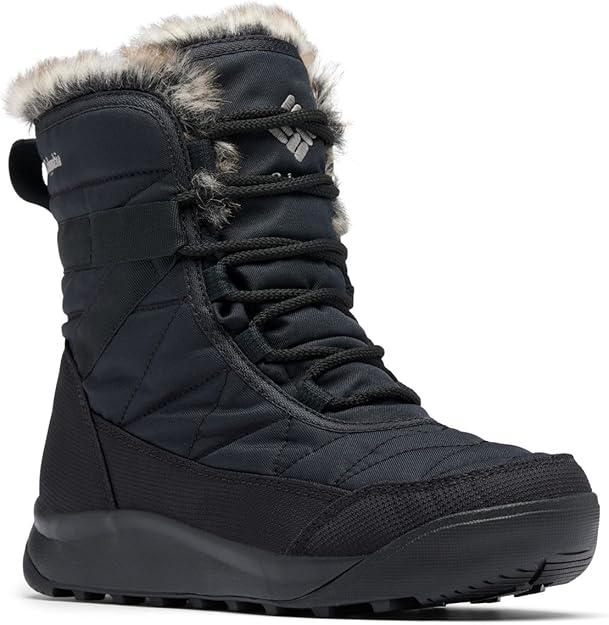
Some days, you just need boots that feel good. The Minx Shorty IV prioritizes comfort while maintaining essential winter protection.
What works: The plush faux-fur lining creates a genuinely cozy feel that testers describe as “slipper-like.” Despite the comfort focus, these boots include 200g insulation and waterproof construction. The quilted upper adds style that works with various winter outfits.
Midwest-specific performance: These excel at casual winter use, dog walks, quick trips to the store, school drop-offs. The lightweight, flexible construction makes them easy to wear all day. Traction performs well on moderately slippery surfaces.
The compromise: The short shaft and lighter construction limit these boots to casual use. They’re not built for deep snow, long periods in extreme cold, or serious hiking. Durability may not match more robust options for heavy daily use.
Best for: Casual winter users who prioritize comfort and style for short-duration outdoor exposure and lighter winter conditions.
5. Sorel Caribou: The Classic That Justifies Its Price ($145-160)
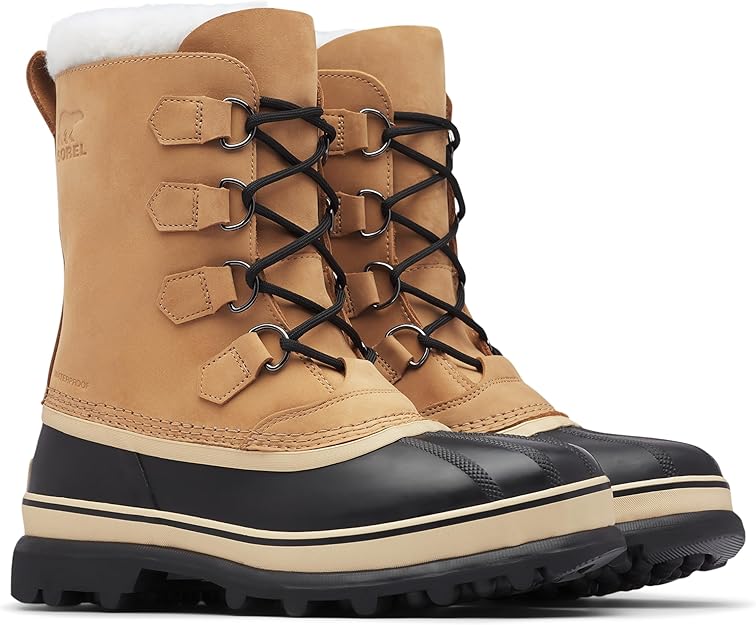
Technically slightly above our $150 ceiling, but the Sorel Caribou earns its place through exceptional longevity and proven performance. When you calculate cost-per-year of use, these boots often prove cheaper than “budget” options that fail prematurely.
What works: The 9mm felt liner provides exceptional warmth rated to minus-40 degrees. The seam-sealed waterproof construction and rubber shell handle the worst conditions Midwest winters throw at them. These boots have been winter champions since the 1960s, longevity that speaks to genuine quality.
Midwest-specific performance: Users report boots lasting ten-plus years with proper care. The aggressive tread pattern handles ice and snow confidently. The tall shaft protects against deep snow and prevents slush from entering.
The compromise: These are heavy, bulky boots designed for function over form. Break-in requires time and patience. The higher price point pushes beyond pure “budget” territory.
Best for: Users willing to invest slightly more upfront for boots that’ll last multiple seasons and provide maximum cold-weather protection.
What to Look for When Shopping
Insulation: Matching Grams to Your Needs
Insulation gets measured in grams, but more isn’t always better. For Midwest daily use, 200g typically hits the sweet spot. It provides adequate warmth for standing around bus stops and walking to your car without causing sweaty feet during active use.
If you work outdoors or spend extended periods stationary in extreme cold, consider 400g options. But for most daily scenarios, commuting, errands, dog walks, 200g prevents both frozen and overheated feet.
Waterproofing: Beyond “Water-Resistant”
Marketing language confuses buyers. “Water-resistant” means light moisture protection, think drizzle, not slush puddles. For Midwest winters, you need waterproof construction with seam-sealed stitching.
Look for specific technologies: Gore-Tex membranes, proprietary waterproof/breathable systems like Omni-Tech, or full rubber shells. The construction method matters too, vulcanized rubber-to-leather bonds outperform glued assemblies for long-term waterproofing.
Traction: The Real-World Ice Test
Fancy tread patterns mean nothing if the rubber compound hardens in cold temperatures. Premium options use specialized compounds like Vibram Arctic Grip, designed specifically for ice. Budget-friendly boots using standard rubber compounds can still perform well if the rubber formulation stays flexible.
Look for multi-directional lug patterns that shed snow rather than packing it. Deep channels between lugs prevent snow buildup that turns boots into ice skates.
Fit Considerations for Daily Wear
Daily-use boots require different fit priorities than hiking boots. You’ll wear these with varying sock thicknesses, pull them on and off multiple times daily, and potentially keep them on for hours.
Look for wider toe boxes that accommodate thick socks without cramping toes, restricted circulation kills warmth. Consider ease of entry: Are laces convenient or annoying for quick trips? Do zippers add practicality or create waterproofing weak points?
Making Your Boots Last
Value extends beyond purchase price to total cost of ownership. These strategies maximize boot lifespan:
Combat Salt Damage
Wipe boots clean after each use in salted conditions. Use a damp cloth to remove salt residue before it crystallizes and corrodes materials. Consider protective sprays designed for winter boots, they create barriers against salt and moisture.
Proper Drying
Never use direct heat sources. Stuff boots with newspaper to absorb moisture and maintain shape. Allow 24 hours of drying time between uses when possible. Rotating between two pairs extends the life of both.
Leather Care
Even waterproof leather benefits from conditioning. Use products designed for outdoor footwear, they maintain waterproofing while preventing leather from drying and cracking. Apply conditioning every 4-6 weeks during heavy use.
Storage
Store boots in cool, dry locations away from direct sunlight. Keep them loosely laced to maintain shape. Consider boot trees or stuffing to prevent upper collapse.
When to Spend More vs. When to Save
Not every boot category demands top-dollar investment. Understanding when to save and when to spend helps maximize value.
Save on: Style-focused features you don’t need, brand prestige that doesn’t improve function, expedition-grade features for casual use, trendy colors that cost more.
Invest in: Proven waterproofing systems, quality insulation, durable outsole construction, brands with strong warranty support, replaceable components like footbeds and laces.
For most Midwest daily users, the $100-150 range provides the best value intersection. Below $100, quality compromises become noticeable. Above $150, you’re paying for marginal improvements or features you won’t use.
Real-World Performance: What Actual Users Report
Beyond controlled testing, real-world user experiences reveal long-term performance. Common themes emerge across value-priced boots:
Budget options ($80-100) typically excel initially but show durability concerns after one season of heavy use. Waterproofing may degrade, stitching can fail, and insulation compresses. However, for light users or those needing occasional winter protection, one-to-two season lifespan provides acceptable value.
Mid-range options ($100-150) demonstrate the sweet spot for most users. These boots balance performance and longevity, often lasting three-to-five seasons with proper care. Quality control is generally consistent, and warranty support proves more responsive.
The Bottom Line: Best Value for Most Midwest Residents
For the majority of Midwest daily users, the Merrell Thermo Chill 2 Mid and Columbia Bugaboot III represent the best value propositions.
The Bugaboot III wins for pure budget-conscious performance. At under $110, it delivers features that work, adequate insulation, reliable waterproofing, decent traction, without unnecessary frills. It’s the smart choice for anyone who needs boots that simply function and doesn’t care about aesthetics or brand cachet.
The Thermo Chill 2 Mid justifies its higher price through versatility and refined performance. The ability to use one boot for multiple purposes, commuting, light hiking, daily errands, eliminates the need to own multiple winter boots. Better materials and construction suggest longer lifespan, reducing cost-per-wear over time.
For those facing the coldest conditions or needing maximum durability, the Kamik Nation Plus and Sorel Caribou provide exceptional warmth and proven longevity. They sacrifice some versatility and add bulk, but deliver uncompromising winter protection.
Looking for More Midwest Winter Boot Guides?
If you’re still comparing options or want boots built for different winter conditions, check out our main hub covering everyday winter wear, ice traction, and extreme cold picks for the Midwest:
7 Best Winter Boots for the Midwest (2026 Guide)
FAQS
For Midwest conditions, plan to spend $100-150. This range provides the best balance of performance and value. Below $100, quality compromises become significant. Above $150, you’re paying for features most daily users don’t need.
Several boots in this guide handle light-to-moderate winter hiking. The Merrell Thermo Chill 2 Mid and Columbia Bugaboot III both perform well on trails. However, dedicated winter hiking boots offer better ankle support and performance for serious trail use.
Most Midwest daily users find 200g insulation sufficient. It handles typical winter temperatures (0-30°F) during moderate activity. Choose 400g only if you work outdoors, remain stationary for extended periods, or run exceptionally cold.
Waterproof boots use sealed membranes and construction that prevent water entry even during extended exposure. Water-resistant boots repel light moisture but will eventually allow water penetration. For Midwest slush and snow, waterproof construction is essential.
