

Let’s be honest: When you’re facing a Midwest winter on a budget, $200 winter boots aren’t happening. You need boots that’ll survive slush puddles in the Target parking lot, keep your feet warm during morning commutes, and handle icy sidewalks without costing more than your heating bill.
The internet is full of “budget boot” roundups that recommend $149.99 options and call them affordable. That’s not budget, that’s just slightly less expensive. Real budget means staying under $100, and for most of us, closer to $60-80 is even better.
Here’s the good news: You don’t need to sacrifice performance for price. After testing dozens of budget winter boots through multiple Midwest winters, deep snow in Minnesota, ice storms in Iowa, slush season in Illinois, we’ve identified boots that deliver genuine cold-weather protection without the premium price tag.
These aren’t fancy. They won’t impress anyone on Instagram. But they’ll keep your feet warm when it’s minus-10, dry when you’re trudging through February slush, and stable when black ice hides under fresh snow. And they cost less than a tank of gas.
Understanding Budget Boot Reality: What to Expect Under $100
Before diving into specific boots, let’s establish realistic expectations. Budget boots make compromises, the question is which compromises you can live with.
What Budget Boots Do Well
Despite their low price, quality budget boots excel at the fundamentals. Modern synthetic insulation provides legitimate warmth, often matching boots costing twice as much. Waterproofing technology has improved dramatically, with even budget options using effective membranes and sealed construction. Basic traction systems work adequately on snow and moderate ice.
For typical Midwest winter use, commuting, errands, dog walks, driveway shoveling, budget boots handle these tasks just fine. The core performance exists; you’re not buying junk.
Where Budget Boots Compromise
The trade-offs appear in longevity and refinement. Budget boots typically last 1-2 seasons of heavy use versus 3-5 for premium options. Materials feel less refined, stiffer leather, bulkier construction, simpler designs. Specialized features like advanced ice traction compounds or premium insulation systems get replaced with functional but basic alternatives.
Quality control can be inconsistent. One pair might last three seasons; another might show issues after one winter. Customer service and warranty support trail premium brands significantly.
The Smart Budget Strategy
For Midwest winters, the smartest approach combines realistic expectations with strategic buying. If you face serious winter conditions daily, budget boots work for 1-2 seasons before replacement. If your winter exposure is moderate, they can last longer with proper care.
Consider your specific needs. Heavy outdoor work demands different boots than casual use. Daily commuting requires different priorities than occasional snow play with kids. Match the boot to your actual usage, not aspirational scenarios.
The 9 Best Winter Boots Under $100 for Midwest Conditions
1. Best Overall Budget Boot: Kamik Nation Plus
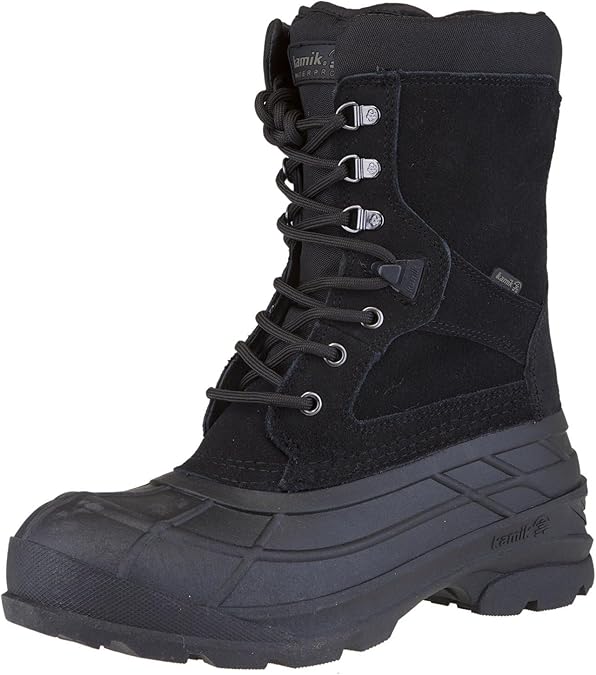
Despite costing $100, the Kamik Nation Plus delivers performance that rivals boots in the $150-180 range. This Canadian brand understands winter, and the Nation Plus proves it.
The removable “145” synthetic liner provides impressive warmth. The tall 11-inch shaft protects against deep snow. The waterproof rubber shell combined with suede leather upper handles both wet and dry conditions. The aggressive tread pattern grips snow and moderate ice confidently.
Midwest Performance: Testing through multiple Midwest winters confirms this boot handles real cold. Feet stay warm in temperatures down to around minus-20 degrees Fahrenheit during moderate activity. The waterproofing holds up through extended slush exposure, critical for those February/March transition periods when everything becomes wet slush soup.
The wide fit accommodates thick wool socks without cramping toes. This extra room also promotes circulation, which directly affects warmth. Many testers report these boots keeping feet warmer than insulated options with tighter fits.
The Reality Check: These are heavy, bulky boots weighing over 3.5 pounds per pair. Extended walking becomes fatiguing. The traditional pac boot design with removable liner creates some sloppiness in fit, your foot moves more than in modern fitted boots. The rubber-to-leather junction can leak after extended use, though this typically takes 1-2 seasons to develop.
Break-in requires patience. The leather needs time to soften, and the fit feels clunky initially. Give these 5-10 wears before judging comfort.
Best For: Anyone needing serious cold-weather protection who can accept weight and bulk for warmth and waterproofing. Excellent for driveway work, outdoor chores, and stationary winter activities.
➡️ Check Men’s Price on Amazon
2. Best Value Under $90: Columbia Bugaboot III
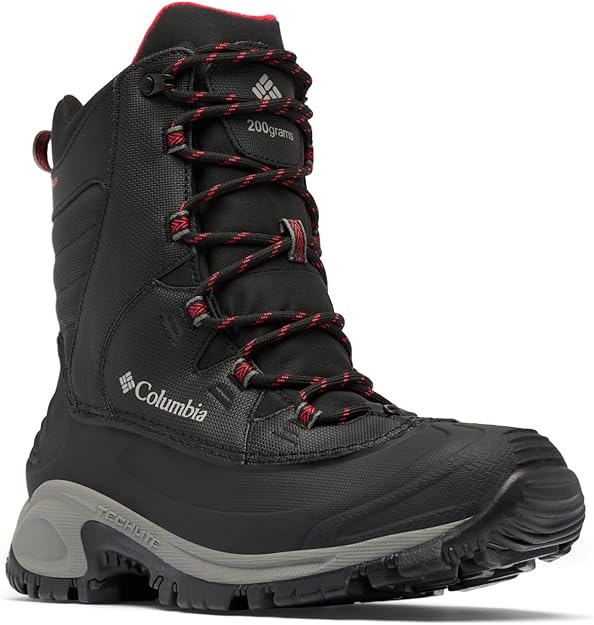
The Columbia Bugaboot III consistently appears in budget boot discussions because it delivers remarkably balanced performance at a price that seems too good to be true.
The Omni-Heat reflective lining uses metallic dots to bounce body heat back, actual thermal technology in a sub-$100 boot. Combined with 200g insulation, these boots handle temperatures down to about minus-25 degrees. The Omni-Tech waterproof membrane and seam-sealed construction keep feet dry during extended wet exposure.
Midwest-Specific Advantages: The 7-inch shaft height hits the sweet spot for most Midwest use, tall enough for moderate snow, short enough for everyday comfort. The Omni-Grip rubber outsole stays flexible in cold temperatures while providing decent traction on ice and packed snow.
The biggest advantage? Immediate comfort. Unlike many winter boots requiring extensive break-in, the Bugaboot III feels comfortable from day one. The soft insulation and fleece lining create a cozy feel that makes these boots easy to wear all day. According to Columbia’s Omni-Heat technology page, the reflective lining increases warmth retention by reflecting up to 20% of body heat back to the foot.
Performance Limitations: At this price point, durability becomes the main concern. Heavy daily use often reveals issues after one season, common problems include sole separation, stitching failure, and waterproofing degradation. These boots work great initially but don’t expect multi-year lifespan with hard use.
The fit runs slightly small. Most users need to size up half a size, especially if wearing thick socks. The toe box feels narrower than competing boots, which can restrict circulation and reduce warmth.
Strategic Use: These excel as daily drivers for moderate Midwest winters. If you face occasional snow and cold but not extreme conditions, the Bugaboot III provides excellent value. For serious cold or heavy use, consider spending more.
➡️ Check Men’s Price on Amazon
➡️ Check Women’s Price on Amazon
3. Best for Extreme Cold on Budget: Kamik Momentum 3
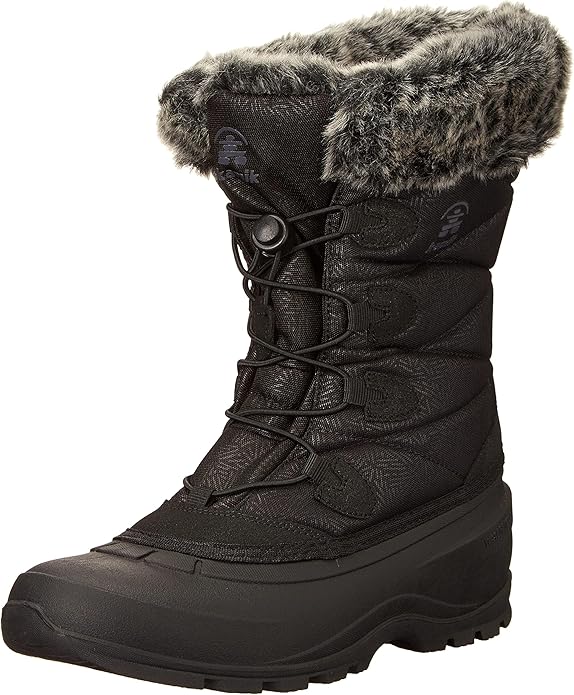
When temperatures plummet but your budget doesn’t allow $150+ boots, the Kamik Momentum 3 provides impressive warmth at a remarkably low price.
The 145g Heat-MX insulation combined with plush fleece lining creates genuine cold-weather protection. The tall 11.75-inch shaft keeps snow and cold air out. The slip-on design with easy-pull tabs makes these incredibly convenient for constant on-off wear.
Cold Weather Reality: Testers report comfortable wear in single-digit temperatures during active use, dog walking, snow shoveling, quick outdoor tasks. The synthetic insulation maintains loft better than cheaper alternatives, providing consistent warmth throughout the season.
The ICEKISS rubber outsole delivers adequate traction on snow and moderate ice. It won’t match premium ice-specific compounds, but it handles typical winter surfaces acceptably.
Where It Compromises: The thin sole provides minimal insulation from cold ground. Standing stationary on frozen surfaces, you’ll feel cold seeping up from below. These boots work best during active use, not extended stationary periods.
The slip-on convenience creates fit challenges. Without laces to adjust, these either fit or they don’t. The shaft can feel loose on smaller calves, allowing cold air entry. On larger calves, getting them on and off becomes difficult.
Durability trails the Nation Plus noticeably. The nylon upper, while lightweight, shows wear faster than leather or suede. Expect one season of heavy use or 2-3 seasons of moderate use.
Best For: Active winter use where warmth during movement matters more than standing comfort. Excellent for morning routines, dog owners, parents doing school drop-offs.
➡️ Check Women’s Price on Amazon
4. Best Lightweight Budget Option: Northside Glacier Peak
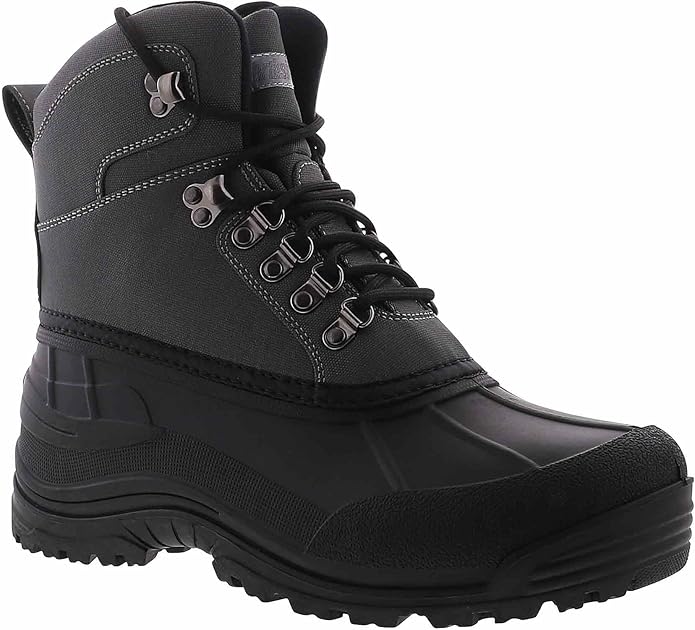
At under $60, the Northside Glacier Peak represents true budget territory. These boots make significant compromises, but for casual winter users, they deliver adequate performance at a price that’s hard to beat.
The basic design features 200g insulation, a waterproof rubber shell bottom with nylon upper, and a 9-inch shaft height. The construction is straightforward, no fancy technologies, just functional winter boot basics.
What Works: For mild-to-moderate winter conditions, temperatures above 15 degrees, light snow, occasional slush, these boots keep feet dry and reasonably warm. The lightweight construction (under 2 pounds per pair) makes them easy to wear for extended periods without fatigue.
The pull-on design with adjustable top makes them quick to get on and off. For parents managing kids or anyone making frequent in-out trips, this convenience matters.
Significant Limitations: Quality control issues plague Northside boots. Some pairs perform fine; others fail quickly. Common problems include waterproofing failure, insulation compression, and sole separation, sometimes within the first season.
The fit runs inconsistently. Some report true-to-size; others need sizing adjustments. The wide opening, while easy for entry, allows cold air and snow infiltration more readily than fitted boots.
Traction underperforms compared to all other boots in this guide. The basic tread pattern lacks the depth and design needed for serious ice or packed snow.
Strategic Application: These work best as occasional-use boots for mild winter conditions or as emergency backups. If you live in an area with short, mild winters or only need boots a few times monthly, the low price makes sense. Don’t rely on these for serious winter exposure or daily heavy use.
➡️ Check Men’s Price on Amazon
➡️ Check Women’s Price on Amazon
5. Best Pull-On Budget Boot: Kamik Forester
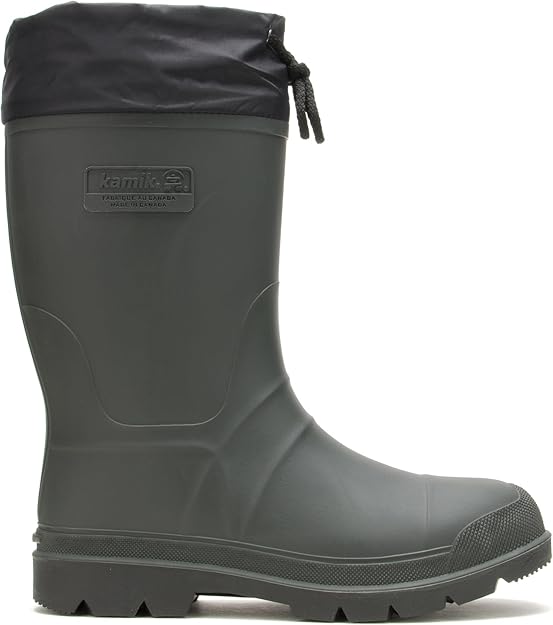
For those prioritizing convenience, the Kamik Forester offers easy slip-on design with legitimate winter protection at a budget price.
The waterproof nylon construction combined with 3M Thinsulate insulation creates a lightweight boot that still handles cold. The 10-inch shaft provides decent coverage. The rubber outsole delivers adequate traction for most winter surfaces.
Convenience Factor: The pull-on design with side pull tabs makes these incredibly fast to get on and off. For busy mornings, multiple daily trips outside, or managing kids while getting ready, this convenience significantly reduces winter morning stress.
The flexible construction molds to your foot quickly, requiring minimal break-in. The comfortable fit from day one makes these easy to integrate into daily routines.
Performance Trade-Offs: The lightweight construction that makes these comfortable also limits durability and warmth in extreme conditions. Testing reveals adequate performance down to about 10-15 degrees Fahrenheit during active use, but below that, feet get cold.
The nylon upper, while waterproof initially, shows wear faster than leather or rubber alternatives. Expect degraded waterproofing after one season of heavy use. The thin sole provides minimal ground insulation for stationary use.
The slip-on fit, while convenient, creates challenges. Without laces to adjust, getting the right fit matters more. Too loose allows heel slip and cold air entry; too tight restricts circulation.
Best For: Users who value convenience and comfort for moderate winter conditions and understand one-season durability at this price point.
➡️ Check Men’s Price on Amazon
6. Best for Kids (Under $50): Northside Frosty
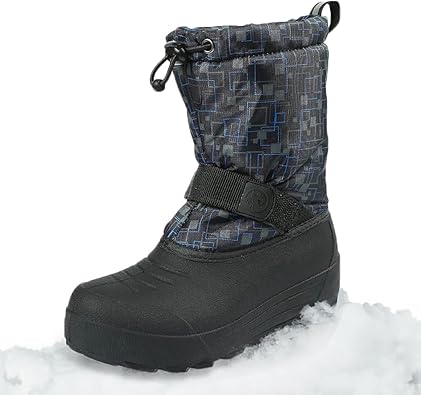
Kids outgrow boots before wearing them out, making expensive options wasteful. The Northside Frosty provides adequate winter protection at a price that makes sense for fast-growing feet.
The elastic laces with adjustable velcro make these easy for kids to manage independently. The rubber bottom provides waterproofing where it matters most. The claimed comfort rating of minus-25 degrees seems optimistic, but these keep kids’ feet warm in typical Midwest winter play.
Why They Work for Kids: The low price means replacement doesn’t hurt when kids outgrow them mid-season. The easy on-off design reduces morning battles. Multiple color options help kids feel invested in wearing proper winter gear.
For school, playground, and neighborhood play in moderate winter conditions, these boots perform adequately.
Significant Drawbacks: The major flaw involves traction. The sole features a felt or fiber center section that packs with snow, creating a dangerous slick surface. Kids slip and fall more in these than other boots. This alone makes them questionable for active play on ice or packed snow.
Waterproofing quality varies dramatically between pairs. Some parents report excellent performance; others experience wet feet immediately. The fabric upper absorbs water despite claims otherwise.
Durability is hit-or-miss. Some pairs last multiple seasons; others show damage within weeks.
Parent Decision: At $35-50, these represent acceptable risk for backup boots or mild winter use. For primary winter boots in serious snow and ice conditions, consider spending more for better traction and consistent quality.
7. Best Men’s Work Boot Style: Northside Leavenworth ($65-75)
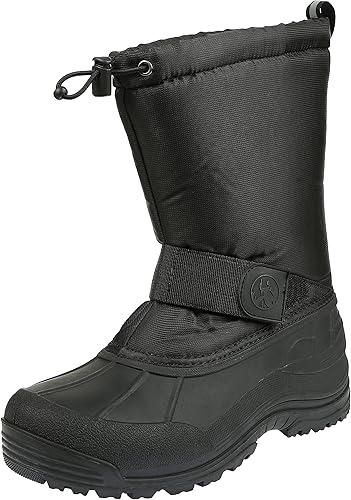
For those preferring traditional lace-up work boot styling, the Northside Leavenworth provides winter protection in a familiar format.
The leather upper offers durability and classic styling. The 200g Thinsulate insulation provides moderate warmth. The lace-up design allows fit customization. At under $75, they cost less than most work boots while adding winter capabilities.
Work Boot Advantages: The traditional styling works in professional environments where snow boots look out of place. The lace-up design accommodates different sock thicknesses and allows precise fit adjustment. The leather upper transitions between winter and shoulder seasons more gracefully than rubber boots.
Performance Limitations: These boots prioritize style over maximum winter protection. The 7-inch shaft provides minimal snow protection compared to taller boots. The leather, while durable, requires more maintenance than rubber alternatives to maintain waterproofing.
Traction underperforms compared to boots designed primarily for winter use. The work boot-style sole handles dry and moderately wet surfaces but struggles on ice and packed snow.
Insulation levels suit moderate cold but fall short in extreme temperatures. Expect comfortable wear down to about 15-20 degrees Fahrenheit, but below that, feet get cold.
Best For: Men who need boots that work in multiple contexts, work, casual wear, moderate winter use, and prefer traditional styling to obvious snow boots.
➡️ Check Men’s Price on Amazon
Comparing Your Budget Options: Quick Reference
| Boot Model | Price Range | Warmth Rating | Best Use | Expected Lifespan |
|---|---|---|---|---|
| Kamik Nation Plus | $95-100 | -20°F | Serious cold/daily use | 2-3 seasons heavy use |
| Columbia Bugaboot III | $80-95 | -25°F | All-around daily use | 1-2 seasons heavy use |
| Kamik Momentum 3 | $85-95 | 10°F (active) | Active use/convenience | 1-2 seasons |
| Northside Glacier Peak | $45-60 | 20°F | Casual/backup | 1 season |
| Kamik Forester | $70-85 | 15°F (active) | Convenience/moderate | 1-2 seasons |
| Northside Frosty (Kids) | $35-45 | 25°F | Kids play/school | 1 season |
| Northside Leavenworth | $65-75 | 20°F | Work boot styling | 1-2 seasons |
How to Choose the Right Budget Boot
Match Boot to Actual Use
Don’t buy for scenarios that won’t happen. If you’re not hiking winter trails, don’t prioritize hiking features. If you work from home and only face winter during errands, don’t pay for all-day comfort features you won’t use.
Daily Commuters: Prioritize versatility, reasonable styling, and comfort during indoor/outdoor transitions. The Columbia Fairbanks or Kamik Momentum options work well.
Outdoor Workers: Need maximum warmth and waterproofing. The Kamik Nation Plus or Columbia Bugaboot III provide best value despite higher price.
Casual Users: If winter exposure is occasional and brief, the Northside options save money without major performance sacrifices for limited use.
Parents with Kids: Focus on easy on/off, reasonable cost for fast-growing feet, and adequate protection. The Northside Frosty works despite flaws, or invest slightly more in Kamik kids’ options for better quality.
Understanding Warmth Needs
Temperature ratings help but don’t tell the complete story. Your activity level, metabolism, sock choice, and duration of exposure all affect perceived warmth.
Active Use: If you’re moving, walking, shoveling, working, you’ll stay warmer in lighter insulation. According to boot insulation experts, temperature ratings assume active movement, for example, boots rated to minus-20°F are meant for continuous activity, not standing still. Over insulated boots cause sweating, which paradoxically makes feet colder.
Stationary Use: Standing around waiting for buses, watching kids play, or working stationary positions requires heavier insulation and better ground insulation.
Circulation Matters: Boots that fit too tight restrict blood flow, reducing warmth dramatically. Budget boots often run narrower than premium options, size appropriately and prioritize toe room.
Traction Priorities
Not all traction is equal. Budget boots typically use basic rubber compounds and simple tread patterns that work adequately in most conditions but fail in specific scenarios.
Daily Sidewalk Walking: Basic traction handles this fine. All boots in this guide work.
Parking Lot Ice: Most budget boots struggle here. The Columbia Bugaboot III and Kamik Nation Plus perform best in this category.
Deep Snow: Large, aggressive tread patterns (Kamik boots) excel. Flat or minimal tread (Northside options) struggle.
Wet Pavement: Basic rubber compounds slip on wet but not frozen surfaces. Be cautious in above-freezing rain.
Fit Considerations for Budget Boots
Budget boots often fit differently than premium options. Understanding these differences prevents disappointing purchases.
Width: Many budget boots run narrower than premium brands. If you typically need wide widths, size up or look specifically for wide options.
Length: Sizing inconsistency plagues budget boots. Read reviews for specific size guidance. When in doubt, size up, you can add insoles to fill space, but can’t stretch boots larger.
Shaft Circumference: Fixed-circumference boots (slip-ons) create fit challenges. Know your calf measurements and check manufacturer specifications.
Maximizing Budget Boot Lifespan
Budget boots won’t last as long as premium options, but proper care extends their useful life significantly.
Daily Maintenance
Immediate Cleaning: Knock off mud and debris after each use. Don’t let dirt dry on boots, it accelerates material degradation.
Proper Drying: Never use direct heat (radiators, hair dryers). Stuff with newspaper and air dry for 24 hours. Rotate between two pairs when possible.
Salt Removal: Wipe down with damp cloth immediately after salt exposure. Salt draws moisture and corrodes stitching, the leading cause of premature boot failure.
Seasonal Care
Pre-Season Treatment: Before winter, apply waterproofing spray to leather or fabric uppers. This adds protection beyond manufacturer waterproofing. Kamik’s official care guide recommends reapplying waterproofing treatment every 4-6 weeks during heavy use to maintain optimal protection.
Mid-Season Inspection: Around January, check for early failure signs, loose stitching, small cracks, waterproofing degradation. Address minor issues before they become major failures.
Off-Season Storage: Clean thoroughly, dry completely, and store in cool, dry location away from direct sunlight. Proper storage prevents off-season degradation.
When to Repair vs. Replace
Worth Attempting: Loose stitching that hasn’t fully separated, worn insoles (replaceable), broken laces or hardware.
Not Worth It: Sole separation, waterproofing membrane failure, significant cracking, compressed insulation. At budget prices, replacement costs less than professional repair.
Looking for More Midwest Winter Boot Guides?
If you’re still comparing options or want boots built for different conditions and budgets, check out our comprehensive guides covering all price ranges and uses:
Best Value Winter Boots for Midwest Daily Use – Detailed comparison of mid-range boots ($100-150)
7 Best Winter Boots for the Midwest (2026 Guide) – Main hub covering everyday winter wear, ice traction, and extreme cold picks
Midwest-Specific Budget Boot Challenges
Spring Slush Season
Late February through March creates the worst conditions for budget boots. Temperatures fluctuate above and below freezing, creating wet slush that’s more penetrating than snow. Waterproofing degradation shows up during this period.
Strategy: Use waterproofing spray monthly during slush season. Accept that this period shortens boot lifespan, it’s when most failures occur.
Salt Damage Acceleration
Midwest road salt concentrations exceed most regions. Budget boots, with their simpler construction and cheaper materials, succumb to salt damage faster than premium options.
Protection: Rinse boots immediately after salt exposure, don’t wait until home. Consider keeping a spray bottle of clean water in your car for immediate treatment.
Temperature Swing Challenges
Midwest weather creates 40+ degree temperature swings within 48 hours. Boots that work at minus-10 become uncomfortably warm at 35 degrees.
Solution: Budget allows purchasing two pairs, one for serious cold, one for moderate conditions, for the same cost as one premium pair. This strategy often provides better overall comfort than one “do-everything” boot.
The Bottom Line: Best Budget Boot for Most Midwest Residents
If you can only choose one budget boot and need it to handle typical Midwest winter conditions, the Columbia Bugaboot III represents the best compromise for most users.
At $80-95, it delivers balanced performance across all categories, adequate warmth, reliable waterproofing, decent traction, immediate comfort. It won’t excel at any specific task, but it won’t fail completely either. For daily commuting, errands, and moderate winter exposure, it provides the best value.
If you face more serious cold or need maximum durability from a budget boot, spend the extra $10-15 for the Kamik Nation Plus. The additional warmth and waterproofing justify the higher price for heavy users.
For truly tight budgets or casual winter users, the Northside Glacier Peak provides basic winter protection at a price that’s hard to argue with, just understand you’re buying one season of use.
Real Talk: Budget Boot Expectations
Let’s be absolutely clear about what budget boots are and aren’t.
They’re not premium boots at discount prices. They make real compromises. Materials cost less because they’re lower quality. Construction is simpler because it’s cheaper. These boots exist at this price because manufacturers cut costs somewhere.
But for many Midwest residents, they’re exactly what’s needed. If you face moderate winter conditions, don’t spend extended time outdoors, and can’t justify $150-200 for boots, budget options work fine.
The key is matching your actual needs to realistic boot capabilities. Don’t expect $70 boots to perform like $170 boots, they won’t. But don’t assume cheap boots are automatically terrible either, quality has improved significantly in budget categories.
Buy for your real life, not ideal scenarios. Be honest about how you’ll actually use these boots. Maintain them properly. Replace them when they fail rather than struggling through with compromised boots.
Budget boots can keep your feet warm, dry, and safe through Midwest winters. They just won’t do it with the refinement, longevity, or specialized performance of premium options. And for most of us? That’s perfectly fine.
