


Midwest slush isn’t like snow. It’s not the pristine white powder you see in Colorado ski resort brochures. It’s the gray, chunky mixture of snow, road salt, and melted ice that accumulates everywhere from November through March.
If you’ve ever ended your commute with soaked socks despite wearing winter boots, you understand the problem. That February slush soup pooling in parking lots doesn’t care about marketing claims. Neither does the wet snow that falls at 33 degrees, immediately melting on contact. Or the ice storms that coat everything in a quarter-inch of frozen water.
After testing dozens of boots through multiple Midwest winters, standing in slush puddles, walking through wet snow, enduring the transition between minus-10 and 35 degrees in the same week, we’ve identified boots that actually deliver waterproof performance. Not water-resistant. Not mostly waterproof. Genuinely, stand-in-puddles-all-day waterproof.
These boots survived real Midwest conditions: slush commutes, wet snow dog walks, spring meltdowns, and the constant freeze-thaw cycles that destroy inferior waterproofing.
Understanding Midwest Waterproofing Challenges
Midwest winters create unique waterproofing demands that coastal rain or mountain snow don’t match.
The Slush Factor
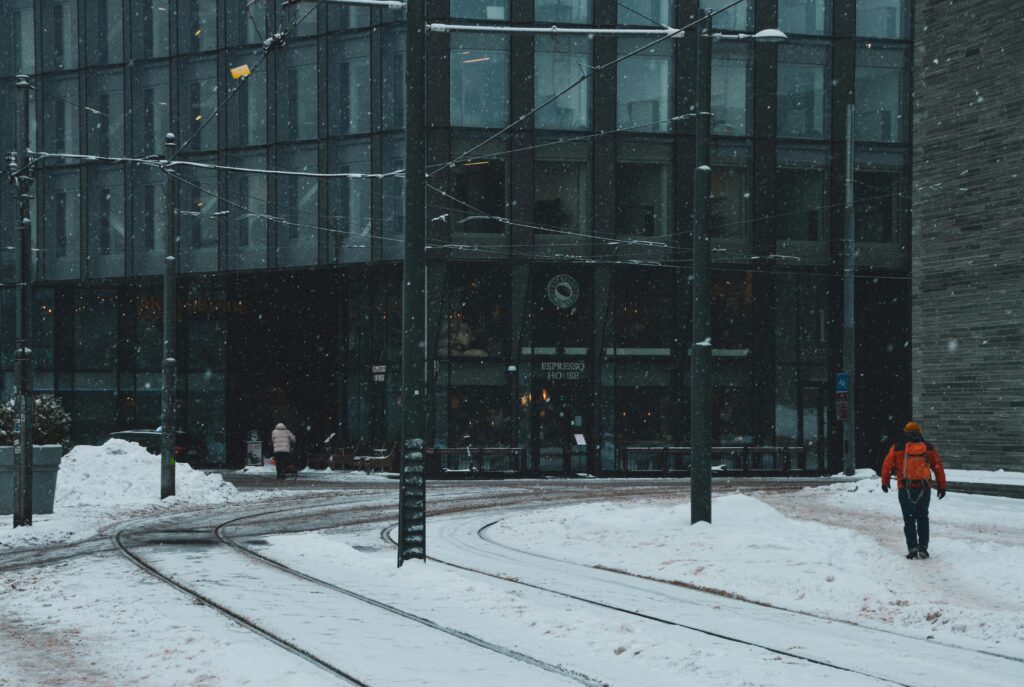
Spring Valley slush represents maximum waterproofing stress. That 32-35 degree temperature range creates wet, heavy snow mixed with melted ice and road salt. This mixture penetrates materials differently than dry snow or rain.
Water under pressure, like when you step into a slush puddle, forces moisture through materials rated waterproof under static conditions. Slush also carries salt accelerating waterproofing degradation. Materials resisting rain or snow often fail during extended slush exposure.
Wet Snow Penetration
Wet snow falling at near-freezing temperatures immediately begins melting. Unlike dry powder that brushes off, wet snow clings to boots and slowly melts, creating constant moisture exposure. This tests waterproofing differently than brief rain exposure or dry snow.
Wet snow also packs into tread patterns and accumulates around boot shafts, creating moisture contact points. As this snow melts throughout the day, it creates prolonged wetness testing seam integrity and membrane effectiveness.
Freeze-Thaw Cycles
Midwest temperatures swing wildly. Today’s minus-10 becomes tomorrow’s 35 degrees. This constant freeze-thaw stresses waterproof materials.
Freezing expands moisture trapped in materials. Thawing allows deeper penetration. Repeated cycles degrade adhesives, loosen stitching, and compromise membranes. Boots surviving one freeze or one thaw often fail under repeated cycling.
Salt and Chemical Exposure
Road salt, ice melt products, and chemical fertilizers all attack waterproofing materials. Salt draws moisture into leather and degrades rubber compounds. Chemical treatments corrode stitching and weaken adhesive bonds.
Waterproof boots must resist not just water but chemical-laden slush containing sodium chloride, calcium chloride, and various de-icing compounds.
The 8 Best Waterproof Winter Boots for Midwest Slush
1. Best Overall Waterproof: Muck Boot Arctic Pro
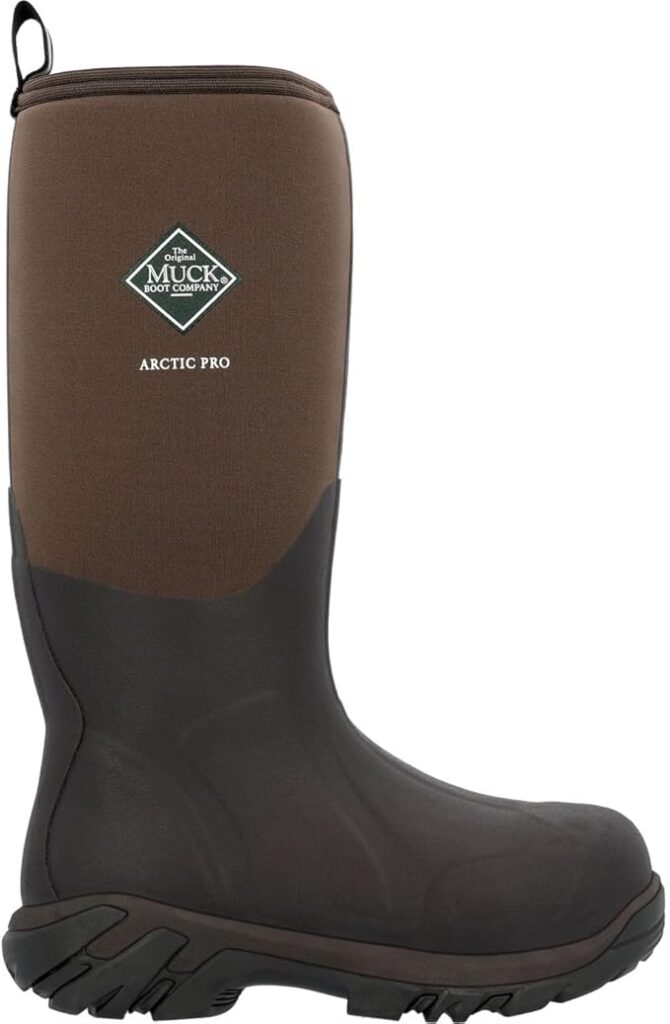
The Muck Boot Arctic Pro represents the waterproofing gold standard. This boot’s 100% waterproof construction uses 8mm neoprene combined with vulcanized rubber, materials simply don’t let water through.
The seamless construction eliminates leak points. The tall 17-inch shaft prevents water entry from above. The stretch-fit topline binding seals against legs, trapping warmth while blocking moisture. The Bob-Tracker outsole provides traction while shedding mud and snow.
Waterproof Performance: Testing confirms absolute waterproofing. Stand in slush puddles all day, feet stay dry. Walk through ankle-deep wet snow, no moisture penetration. The neoprene/rubber combination creates an impenetrable barrier against Midwest wet conditions.
According to professional boot testers, Muck boots provide “near-seamless rubber upper” delivering “13 inches of waterproof protection” where “we could stand in deep puddles that resembled blended iced coffee drinks without fear of soaking our socks.”
Extreme Cold Rating: The 8mm neoprene plus 2mm thermal foam footbed provides warmth rated to minus-60°F. The fleece lining adds comfort without compromising insulation effectiveness. This makes them suitable for the coldest Midwest days, not just average winter temperatures.
Real-World Durability: Users report 3-5 years of heavy use before replacement. The vulcanized rubber resists cracking far longer than injection-molded alternatives. The reinforced heel and Achilles areas handle the abuse of constant on-off wear.
Trade-Offs: Weight is substantial at over 4 pounds per pair. Extended walking becomes fatiguing. The tall shaft and bulk make these impractical for activities beyond outdoor work and serious weather protection. The fit runs large, most users size down half a size.
The neoprene that creates perfect waterproofing also prevents breathing. Feet sweat during active use above 40 degrees. These excel at their purpose, maximum waterproof protection, but sacrifice versatility.
➡️ Check Men’s Price On Amazon
➡️ Check Women’s Price On Amazon
Best For: Users needing absolute waterproof protection for outdoor work, livestock care, or extended exposure to wet conditions who can accept weight for performance.
2. Best Slip-On Waterproof: BOGS Ultra High
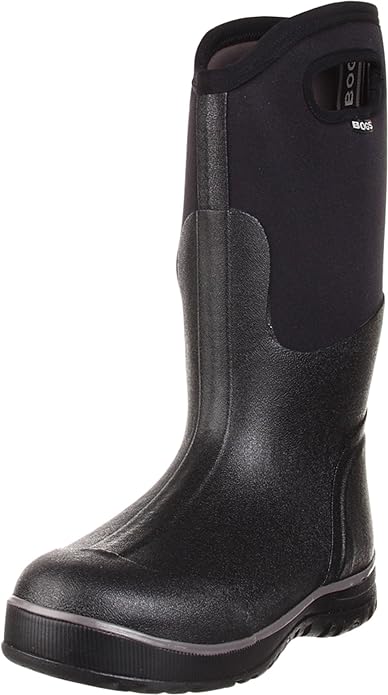
The BOGS Ultra High delivers Muck-like waterproofing in a convenient slip-on design backed by consistent user praise.
The 7mm Neo-Tech waterproof insulation rated to minus-40°F handles extreme cold while blocking moisture completely. The hand-lasted rubber construction eliminates seams below the shaft. The 100% waterproof design extends 15 inches high, exceptional coverage against deep slush and wet snow.
Waterproof Excellence: Professional testing confirms these boots provide “complete waterproofness” during “eight-minute submersion” with “hand-lasted rubber outer” that “fully resists any leakage.”
Users consistently report standing in slush, walking through puddles, and enduring wet snow without moisture penetration. The seamless rubber lower eliminates the primary failure point of leather/rubber boots, the junction between materials.
Slip-On Convenience: Large pull handles accommodate gloved hands. Getting these on and off requires seconds, critical during constant indoor/outdoor transitions. For morning routines or frequent trips outside, this convenience reduces winter stress significantly.
Comfort Rating: The contoured footbed provides more support than basic rubber boots. The BioGrip slip-resistant outsole handles icy surfaces adequately. The shaft design allows comfortable movement while sealing out moisture.
Honest Limitations: The fixed sizing creates fit challenges. Without laces, these either fit or don’t. Wide-calved users struggle getting them on; narrow-calved users experience looseness allowing cold air entry.
The full neoprene construction doesn’t breathe. Expect sweaty feet during indoor wear or temps above 40°F. The waterproofing that keeps slush out also traps moisture inside.
Some users report traction concerns. While adequate on snow, ice grip trails dedicated ice-traction boots. Consider supplemental traction devices for serious ice conditions.
➡️ Check Men’s Price On Amazon
➡️ Check Women’s Price On Amazon
Best For: Users prioritizing slip-on convenience with absolute waterproofing for cold, wet conditions who can accept limited breathability.
3. Best Versatile Waterproof: The North Face Chilkat V 400
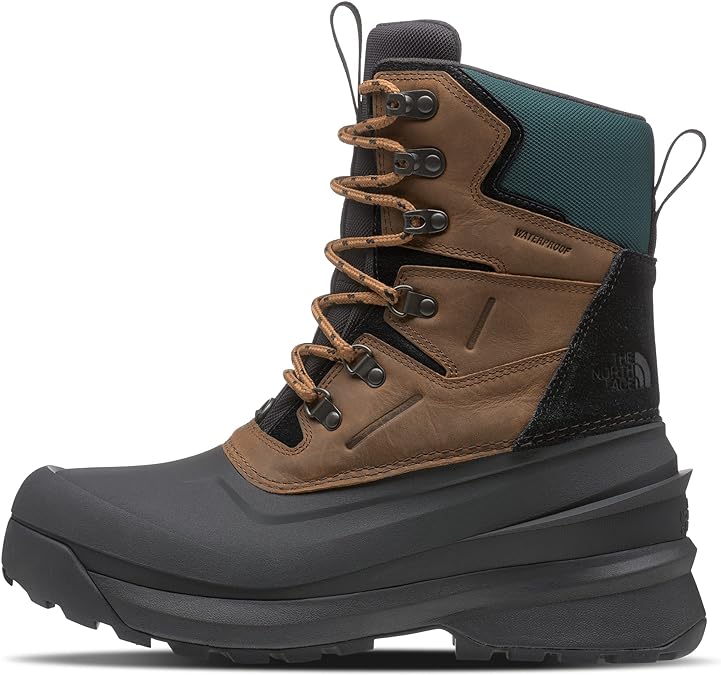
The North Face Chilkat V 400 balances waterproof protection with versatility, making it ideal for varied winter activities.
The DryVent waterproof membrane keeps feet dry while allowing some breathability, critical for Midwest temperature swings. The 400g Heatseeker insulation provides robust warmth. The IcePick temperature-sensitive outsole firms in cold for better ice grip. The 7-inch height protects adequately without excessive bulk.
Waterproof Performance: Testing through sleet, wet snow, and slush confirms reliable moisture protection. The waterproof/breathable membrane handles typical Midwest wet conditions, extended slush exposure, wet snow accumulation, parking lot puddles.
The membrane allows moisture vapor escape, preventing the sweaty-feet problem of fully sealed boots. This matters during indoor/outdoor transitions and active use.
Traction Technology: The IcePick compound uses temperature-sensitive rubber that firms below freezing, improving ice grip noticeably. Users report confident walking on icy surfaces where standard rubber slips.
Versatile Design: These transition well between winter hiking, daily errands, and outdoor work. The combination of cushioning and support suits extended wear. The waterproofing handles slush commutes. The insulation works for standing around or active movement.
Performance Boundaries: The 7-inch shaft limits deep snow protection. The membrane-based waterproofing, while effective, doesn’t match 100% rubber boots for extended submersion. For extreme wet conditions, full rubber boots perform better.
The waterproof/breathable balance means these aren’t completely impervious like neoprene boots but breathe better during active use.
➡️ Check Men’s Price On Amazon
➡️ Check Women’s Price On Amazon
Best For: Active users needing waterproof boots for varied winter activities who value breathability alongside moisture protection.
4. Best Hiking Boot Waterproof: OBOZ Bridger Insulated
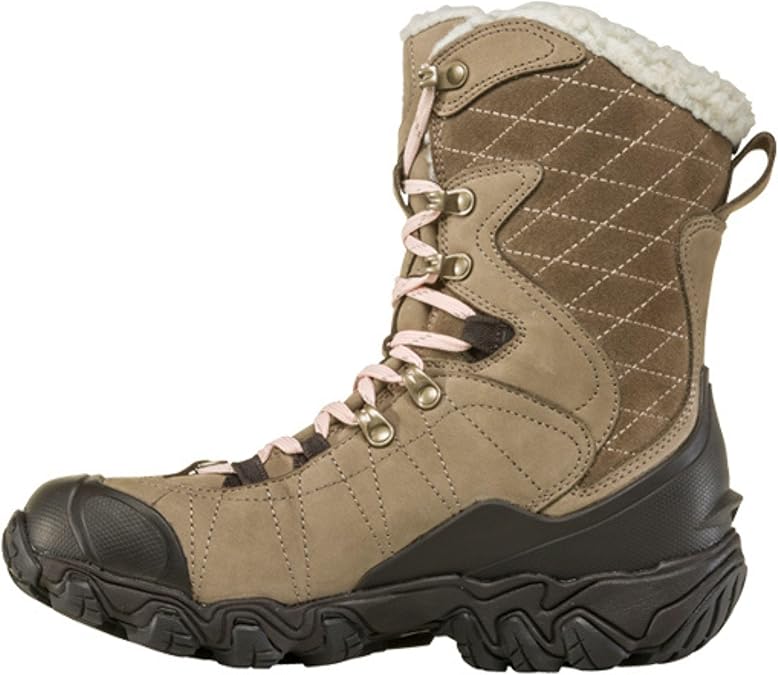
The OBOZ Bridger 10” (OBOZ Bridger 9” Women) brings hiking boot capability to winter waterproofing through quality materials and proven construction.
The B-DRY waterproof membrane combined with DWR-treated nubuck leather creates comprehensive moisture protection. The 400g Thinsulate insulation provides warmth. The winterized Granite Peak outsole delivers traction. The 10-inch height offers excellent coverage.
Waterproof Reality: Professional testing confirms “With Oboz’s B-Dry membrane, thick leather construction, and a tall 10-inch cuff, the Bridger offers excellent protection against snow, slush, and just about anything winter throws at it” with testers reporting feet stayed “completely dry” through “knee-deep powder, soaked slush, icy gravel, and full-on snowstorms.”
The gusseted tongue prevents water entry through the lacing. The seam-sealed construction eliminates moisture infiltration points. The leather, while not rubber, resists water effectively when properly maintained.
Hiking Performance: Unlike pure rubber boots, the Bridger provides ankle support and flexibility suitable for winter hiking. The cushioned midsole absorbs impact. The structured design prevents fatigue on uneven terrain.
Waterproof Maintenance: The leather requires periodic treatment to maintain waterproofing. According to Oboz, the DWR finish benefits from annual retreatment. This adds maintenance versus maintenance-free rubber but provides better breathability and hiking performance.
Break-In Investment: The leather and supportive construction require 1-2 weeks break-in. Initial stiffness gives way to comfortable, personalized fit rewarding patience with long-term comfort.
➡️ Check Men’s Price On Amazon
➡️ Check Women’s Price On Amazon
Best For: Winter hikers and active outdoor users needing waterproof boots with ankle support and hiking capability.
5. Best Classic Waterproof: Sorel Joan of Arctic
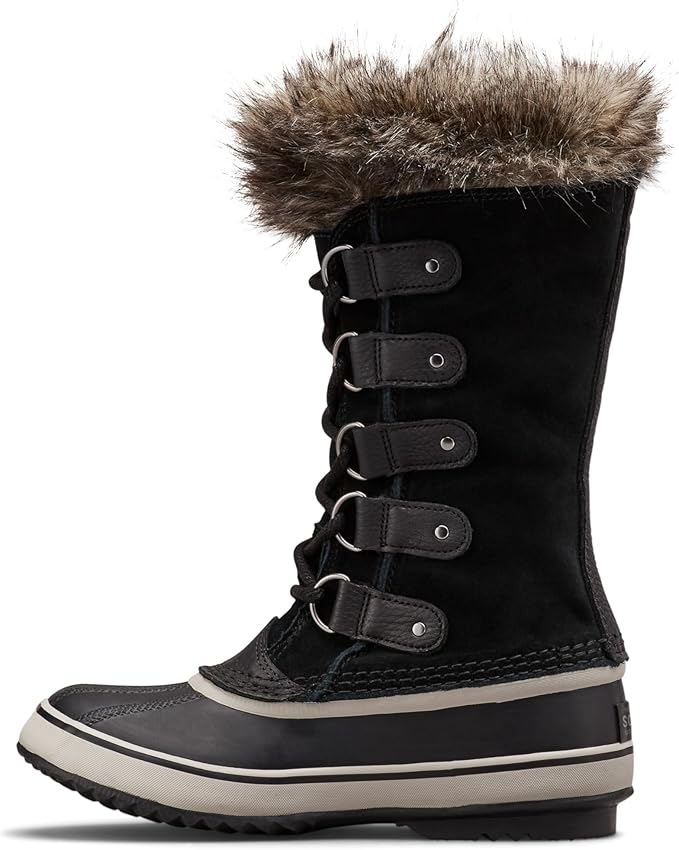
The Sorel Joan of Arctic delivers proven waterproof performance through time-tested design refined over decades.
The vulcanized rubber shell provides 100% waterproof protection up to 10 inches. The waterproof suede/leather upper handles moisture above the rubber. The seam-sealed construction prevents water infiltration. The removable 6mm felt liner provides warmth while allowing customization.
Waterproof Heritage: According to reviews, the Joan features “waterproof suede upper” with “rubber outsole” and construction that’s “triple stitched and seam-sealed to keep snow and water out tight” with the “vulcanized rubber” providing “protection your feet need in heavy, wet snow and slush.”
Testing confirms reliable waterproofing through slush, wet snow, and puddles. The tall 13-inch shaft prevents snow entry during deep snow exposure. The gusseted tongue sealed to the top prevents moisture infiltration through the lacing.
Long-Term Reliability: Multiple users report 5-10 years of service. The vulcanized rubber construction resists the cracking that plagues cheaper boots. The removable liner allows replacement without boot replacement, extending usable life.
Fit Guidance: These run large. Size down at least half a size. The roomy fit accommodates thick socks but feels sloppy if sized normally. The generous toe box promotes circulation and warmth once properly sized.
Style Versatility: The refined design works in contexts beyond pure outdoor use, casual social settings, errands, daily wear. Multiple color options allow personal expression.
Weight Reality: At nearly 4 pounds per pair, these feel substantial. The pac boot design with removable liner creates some bulk. Extended active use may cause fatigue.
➡️ Check Women’s Price On Amazon
Best For: Women wanting proven waterproof boots with classic styling and long-term durability.
7. Best Work Boot Waterproof: Carhartt Pellston
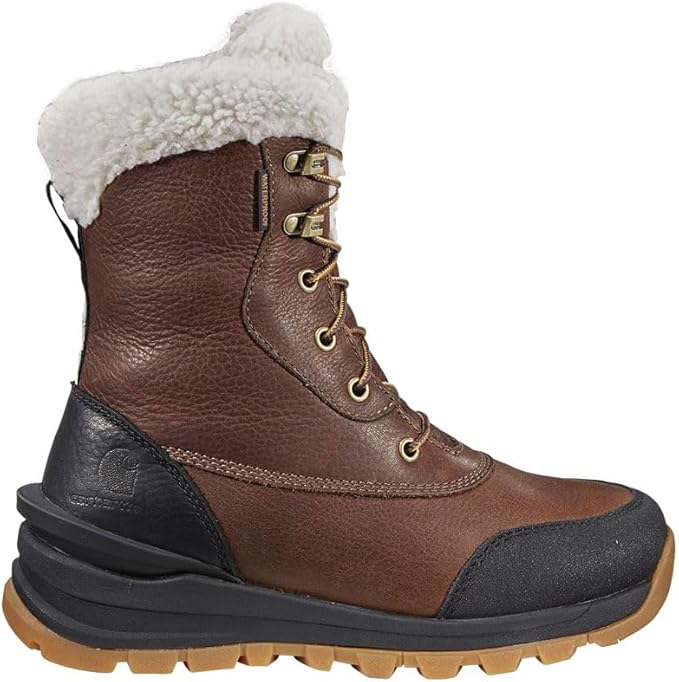
The Carhartt Pellston brings Carhartt’s work boot expertise to winter waterproofing through practical design.
The Storm Defender waterproof breathable membrane “stops rain, but lets sweat escape” while the 200g Thinsulate insulation provides warmth. The genuine leather upper with sherpa fleece lining offers comfort. The slip-resistant rubber lug outsole delivers traction. The Insite footbed provides arch support.
Waterproof Work Performance: User reviews confirm reliable waterproofing during work use. Delivery drivers report staying dry through blizzards and deep snow. The breathable membrane prevents the sweat accumulation that plagues non-breathable boots during active work.
The FastDry technology lining wicks moisture, improving comfort during extended wear. This matters for users wearing boots 8-12 hours daily.
Work-Specific Features: The heel kicker utility ledge allows easy boot removal, valuable when getting in and out frequently. The Electrical Hazard rating provides safety for work environments. The TecTuff abrasion-resistant toe extends boot life.
Comfort Advantages: Multiple users describe these as “super warm” and “considerably lighter than my other boots” with “waterproof as well” performance “great for blizzard days as a delivery driver.”
The Carhartt LWD midsole provides cushioning without excessive weight. The true-to-size fit with room for thick socks simplifies ordering.
Durability Questions: At this price point, expect 2-3 seasons heavy use. The materials can’t match premium boots’ longevity but provide good value for the cost. Some users report fit inconsistencies between pairs.
➡️ Check Women’s Price On Amazon
Best For: Workers needing waterproof boots for active daily use who value breathability and comfort over maximum durability.
8. Best Budget Waterproof: Kamik Forester
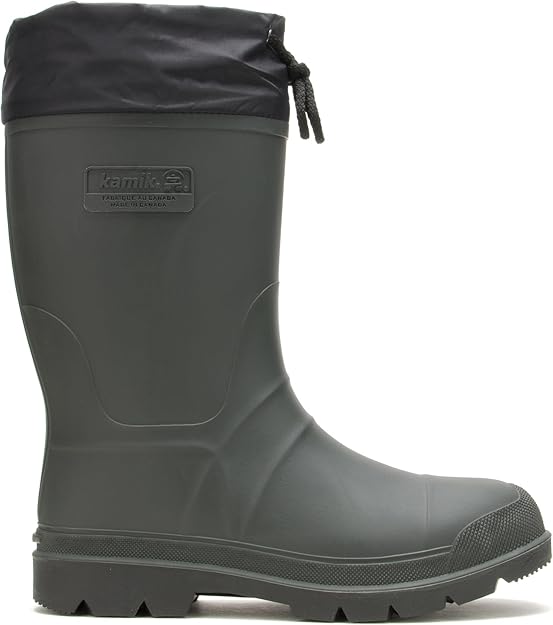
The Kamik Forester (Kamik Tundra For Women) delivers genuine waterproof protection at a price making it accessible to budget-conscious buyers.
The 100% waterproof synthetic rubber construction blocks moisture completely. The adjustable nylon collar seals against legs. The 8mm Thermal Guard removable liner (made from recycled materials) provides warmth rated to minus-40°F. The moisture-wicking lining promotes comfort.
Waterproof Performance: Testing confirms the Forester “performed well as we trudged through piles of snow, waded through slush, and did chores in light rain” with the “waterproof nylon upper” keeping testers’ “feet dry and warm.”
Users consistently report complete waterproofing, standing in slush, walking through wet snow, working in rain. The rubber construction creates an impenetrable moisture barrier. The slip-on design with adjustable collar prevents water entry from above.
Budget Value Reality: At $70-90, these cost half what premium options charge while delivering comparable waterproofing. The compromise appears in comfort refinement and durability longevity, not waterproof effectiveness.
Comfort Notes: The removable liner allows temperature customization and simplifies drying. The cushioned footbed provides adequate support. The slip-on convenience makes these easy for frequent use.
Honest Limitations: Heavy daily use typically reveals durability issues after 1-2 seasons. The materials and construction can’t match premium options. For moderate use or users accepting seasonal replacement, the value proposition works.
Some users find these struggle in extreme cold during extended stationary exposure despite the minus-40°F rating. For active use in moderate cold, they perform well.
➡️ Check Men’s Price On Amazon
➡️ Check Women’s Price On Amazon
Best For: Budget buyers needing reliable waterproof protection for moderate use who accept shorter lifespan for lower cost.
Comparing Waterproof Winter Boots: Quick Reference
| Boot Model | Price | Waterproof Type | Height | Best Waterproof Feature | Best For |
|---|---|---|---|---|---|
| Muck Boot Arctic Pro | $180-220 | 100% rubber/neoprene | 17″ | Seamless construction | Maximum protection |
| BOGS Ultra High | $130-145 | 100% rubber/neoprene | 15″ | Hand-lasted rubber | Slip-on convenience |
| North Face Chilkat V | $145-160 | DryVent membrane | 7″ | Breathable waterproofing | Versatile use |
| OBOZ Bridger 10″ | |||||
| (OBOZ Bridger 9” Women) | $190-210 | B-DRY + DWR leather | 10″ | Gusseted tongue seal | Hiking capability |
| Sorel Joan of Arctic | $145-160 | Vulcanized rubber/leather | 13″ | Seam-sealed construction | Classic style |
| Carhartt Pellston | $120-140 | Storm Defender membrane | 8″ | Breathable work performance | Active work |
| Kamik Forester | |||||
| Kamik Tundra | $70-90 | 100% rubber | 10″ | Budget waterproof | Value pick |
Looking for More Midwest Winter Boot Guides?
If you’re still comparing options or want boots built for different winter conditions, check out our main hub covering everyday winter wear, ice traction, and extreme cold picks for the Midwest:
👉 Best Winter Boots For Midwest Winters (2026 Guide)
Maintaining Waterproof Performance
Boots start waterproof but require maintenance to stay that way. These practices extend waterproofing effectiveness:
Cleaning After Salt Exposure
Salt accelerates waterproofing degradation dramatically. Immediate cleaning prevents damage.
After Each Salty Exposure: Wipe boots with damp cloth, removing visible salt. Don’t let salt dry and crystallize, it draws moisture into materials and corrodes stitching.
Weekly During Salt Season: Thoroughly clean with mild soap and water. Pay attention to seams and the rubber/leather junction where salt accumulates.
Waterproofing Treatment
Different boot types require different maintenance:
Rubber Boots (Muck, BOGS, Kamik): According to Muck Boot, condition rubber periodically with wax polish or protectant to prevent cracking and maintain suppleness.
Leather/Membrane Boots (Oboz, North Face, Carhartt): Reapply DWR treatment to leather seasonally. Use products designed for waterproof leather maintaining breathability while adding moisture protection.
Hybrid Boots (Sorel): Clean and condition leather upper. The rubber portion needs minimal maintenance beyond cleaning.
Proper Drying
Incorrect drying destroys waterproofing faster than use.
Never Use Direct Heat: Radiators, hair dryers, heating vents damage waterproof membranes, cause rubber to crack, and leather to split.
Correct Method: Remove removable liners. Stuff boots with newspaper. Air dry at room temperature for 24-48 hours. Ensure complete dryness before storage or re-use.
Storage Practices
Off-season storage prevents degradation:
Clean Before Storing: Remove all salt, dirt, and debris. Ensure complete dryness.
Avoid Compression: Store upright or with boot trees. Collapsed boots develop creases that become leak points.
Cool, Dry Location: Avoid temperature extremes. Basement moisture and attic heat both damage waterproofing.
The Bottom Line: Choosing Your Waterproof Boot
For absolute waterproof protection in the worst Midwest conditions, the Muck Boot Arctic Pro delivers uncompromising performance. The 100% rubber/neoprene construction simply doesn’t leak. For outdoor work, livestock care, or maximum wet protection, nothing matches it.
For versatile waterproof performance across varied activities, the North Face Chilkat V 400 balances protection with breathability and comfort. The membrane-based waterproofing handles typical Midwest wet conditions while allowing enough breathability for active use.
Budget-conscious buyers find genuine waterproof protection in the Kamik Forester (Kamik Tundra For Women) at half the cost of premium options. Accept shorter lifespan for remarkable value.
Women wanting proven waterproof performance with style choose the Sorel Joan of Arctic. The decades-proven design delivers reliable moisture protection with refined aesthetics.
The key is matching waterproof features to your actual exposure. Maximum protection requires full rubber construction accepting weight and limited breathability. Moderate protection allows lighter, more breathable boots with membrane-based waterproofing. Choose based on your wettest, worst-case scenarios, not average conditions.
Because when you’re standing in ankle-deep slush waiting for the bus, or walking through wet snow for the third time today, or dealing with that spring meltdown creating puddles everywhere, waterproofing isn’t a feature, it’s essential.
FAQs
Waterproof boots prevent water entry completely, even during extended exposure or submersion. Water-resistant boots repel light moisture but eventually allow penetration. For Midwest slush and wet snow, waterproof construction is essential, water-resistant isn’t adequate for prolonged wet exposure.
Depends on construction and maintenance. Full rubber boots (Muck, BOGS, Kamik) maintain waterproofing 3-5+ years with basic care. Membrane-based boots (North Face, Oboz, Carhartt) require periodic DWR retreatment but last 3-4 seasons. Hybrid boots (Sorel) need leather conditioning but can last 5-10 years with proper maintenance.
Yes, for extended wet exposure. Rubber construction (Muck, BOGS, Kamik) provides absolute waterproofing indefinitely. Membrane-based leather boots (Oboz, North Face) offer excellent waterproofing with better breath ability but can eventually saturate during prolonged submersion. For standing in slush all day, choose rubber. For varied use, membranes balance waterproofing with comfort.
Minimum 8 inches for adequate slush protection. Taller (10-15 inches) handles deep slush and wet snow better. Consider your typical exposure, shoveled sidewalks need less height than unshoveled parking lots. The 6-inch height popular in hiking boots allows slush entry too easily for Midwest winters.
