


Heavy winter boots have their place. When you’re standing in minus-20 temperatures for hours, or working outdoors all day, that extra pound per boot makes sense. But for most Midwest winter activities, commuting to work, walking the dog, running errands, light outdoor tasks, heavy boots become a burden.
You feel it in your legs after a full day. The fatigue from lifting an extra 2-3 pounds with every step adds up over thousands of steps. Your calves ache. Your knees complain. By evening, you’re exhausted from simply walking around in your boots.
The challenge isn’t finding lightweight boots, it’s finding lightweight boots that actually keep you warm. Plenty of boots shed weight by eliminating insulation. But in Midwest winters, where temperatures regularly drop below zero and wind chills reach dangerous levels, inadequate warmth isn’t acceptable.
After testing dozens of lightweight winter boots through multiple Midwest winters, walking miles through cities, hiking snowy trails, managing daily winter routines, we’ve identified boots delivering genuine warmth without excessive weight. These aren’t summer hiking boots marketed for winter. They’re legitimately insulated, genuinely warm boots that happen to weigh significantly less than traditional options.
Understanding the Lightweight vs. Warmth Balance
The physics are straightforward: insulation adds weight. So does waterproof construction. Supportive materials weigh more than minimal ones. Creating lightweight warm boots requires careful material selection and intelligent design rather than simply cutting corners.
What Makes Boots “Lightweight”
For winter boots, lightweight means approximately 2.5-3.5 pounds per pair for men’s boots, 2-3 pounds for women’s. Compare this to traditional winter boots weighing 4-5+ pounds per pair. That 1.5-2 pound difference feels minimal initially but becomes significant during extended wear.
The weight reduction comes from several sources. Modern synthetic insulation provides equivalent warmth to heavier materials in less bulk. Advanced waterproof membranes (GORE-TEX, DryVent, Omni-Tech) weigh less than rubber shells while delivering comparable moisture protection. Engineered midsole foams provide cushioning with less material.
Warmth Without Weight: The Technologies
According to testing by OutdoorGearLab, modern lightweight winter boots achieve “the best warmth-to-weight ratio” through advanced insulation technologies. Synthetic insulation like Heatseeker, Thinsulate, and PrimaLoft maintain loft in damp conditions while weighing less than traditional materials.
Reflective linings (Omni-Heat, similar technologies) add warmth without adding insulation bulk. These materials reflect body heat back toward feet, improving thermal retention without weight penalty.
The Midwest Challenge

Midwest winters demand specific capabilities from lightweight boots. Temperatures fluctuate wildly, today’s minus-10 becomes tomorrow’s 35 degrees. Boots need enough insulation for genuine cold without causing overheating during milder periods or active use.
Wet conditions stress lightweight boots differently than dry cold. Slush, wet snow, and constant freeze-thaw cycles test waterproofing and materials. Lightweight construction must deliver durability matching heavier alternatives despite using less material.
The 8 Best Lightweight Winter Boots for Midwest Warmth
1. Best Overall Lightweight Warmth: The North Face Chilkat V 400
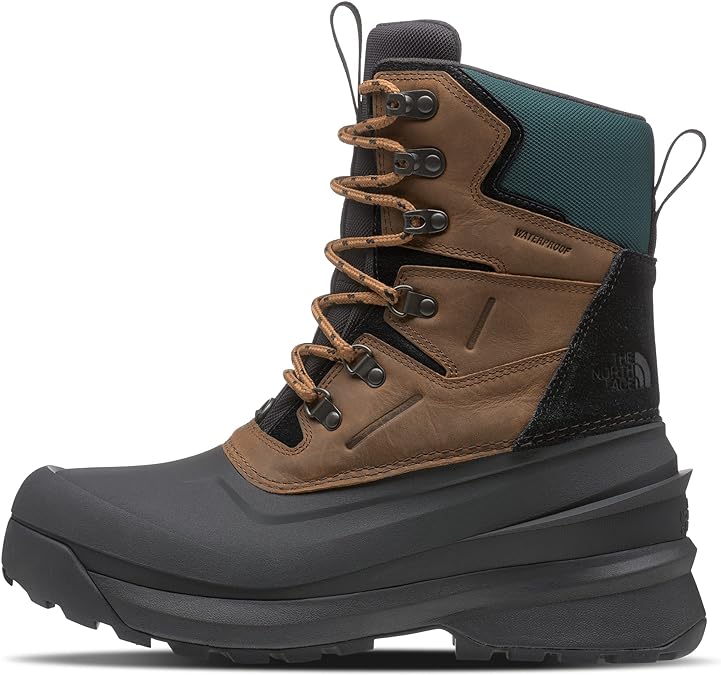
The North Face Chilkat V 400 achieves what seems impossible, serious warmth in genuinely lightweight construction. Professional testing confirms this boot delivers “the best warmth-to-weight ratio in our test by far.”
At 3.2-3.6 pounds per pair (depending on size), these weigh significantly less than comparably warm boots. The 400g Heatseeker Eco insulation provides warmth rated for sub-zero temperatures while the DryVent waterproof membrane keeps feet dry. The updated design specifically reduces weight while maintaining warmth.
Warmth Performance: According to multiple testers, “400 grams of HeatSeeker Evo provides outstanding warmth without any excess bulk” with boots keeping feet “reliably comfortable and warm” from “above freezing to below zero.” The insulation works effectively during both active movement and stationary standing.
Weight Advantage: Switchback Travel notes the Chilkat “comes in at a very respectable weight compared to its primary competitors, such as the heftier and bulkier Kamik Nation Plus (4 lb. 1.1 oz.)” while providing comparable warmth. The difference becomes obvious during extended wear, less leg fatigue, easier movement, reduced effort.
Comfort and Fit: These feel comfortable from minimal break-in. The narrow-to-average fit suits most users, though wide-footed individuals may need sizing adjustments. The 7-inch shaft provides protection without excessive bulk.
Trade-Offs: The GORE-TEX membrane runs warm during active use above 50 degrees. The lacing doesn’t extend fully down the foot, creating some foot movement during steep descents. The narrow toe box won’t suit everyone.
Durability Notes: Some long-term users report rubber-to-leather separation after several years. Proper care extends lifespan, but these don’t match the decade-plus service of heavier pac boots.
➡️ Check Men’s Price On Amazon
➡️ Check Women’s Price On Amazon
Best For: Users wanting the best warmth-to-weight balance for varied Midwest winter activities from commuting to light hiking.
2. Best Lightweight Women’s Style: Sorel ONA Ave Alpine
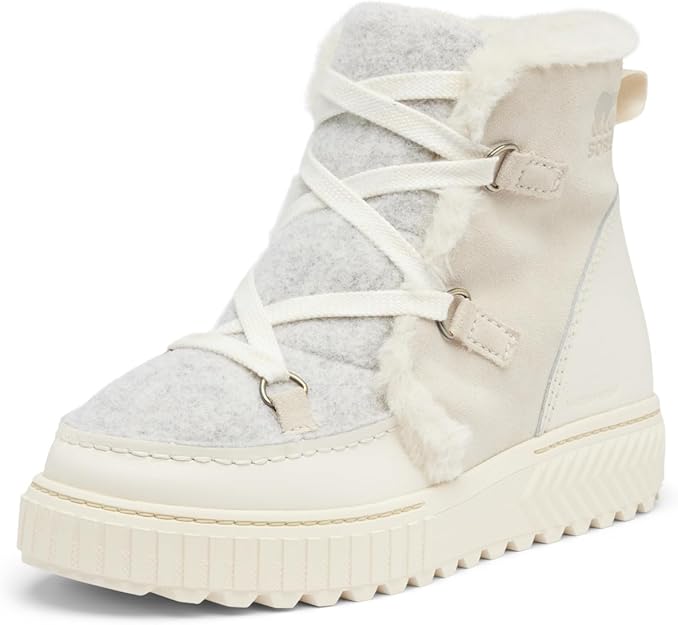
The Sorel ONA Ave Alpine proves lightweight winter boots can deliver both performance and style. This women’s boot combines city-ready aesthetics with legitimate winter capability.
The waterproof suede or leather upper (varies by color) features faux-fur trim creating refined appearance. The fleece-lined interior provides immediate comfort and warmth. The 100g insulation keeps weight minimal while delivering adequate warmth for moderate Midwest cold. The molded EVERTREAD rubber outsole provides traction and durability.
Lightweight Comfort: Users consistently describe these as lightweight and comfortable immediately. The soft fleece lining creates cozy feel without break-in requirements. The moderate insulation prevents overheating during indoor/outdoor transitions, critical for daily wear.
Style Versatility: These transition well between outdoor activities and indoor settings. The refined design works for errands, casual work environments, and social activities, versatility heavy pac boots can’t match.
Performance Reality: The 100g insulation suits moderate cold (20-35°F) during active use but struggles in extreme cold during stationary exposure. The shaft height (approximately 7 inches) provides adequate coverage for light snow but allows deep snow entry.
Critical Fit Note: These run small consistently. Most users need to size up at least half a size, sometimes a full size. The narrow fit through toe box creates comfort issues for wider feet.
Best For: Women wanting stylish lightweight boots for daily Midwest winter use in moderate conditions who value appearance alongside function.
➡️ Check Women’s Price On Amazon
3. Best Ultralight Performance: Salomon X Ultra 5 Mid GTX
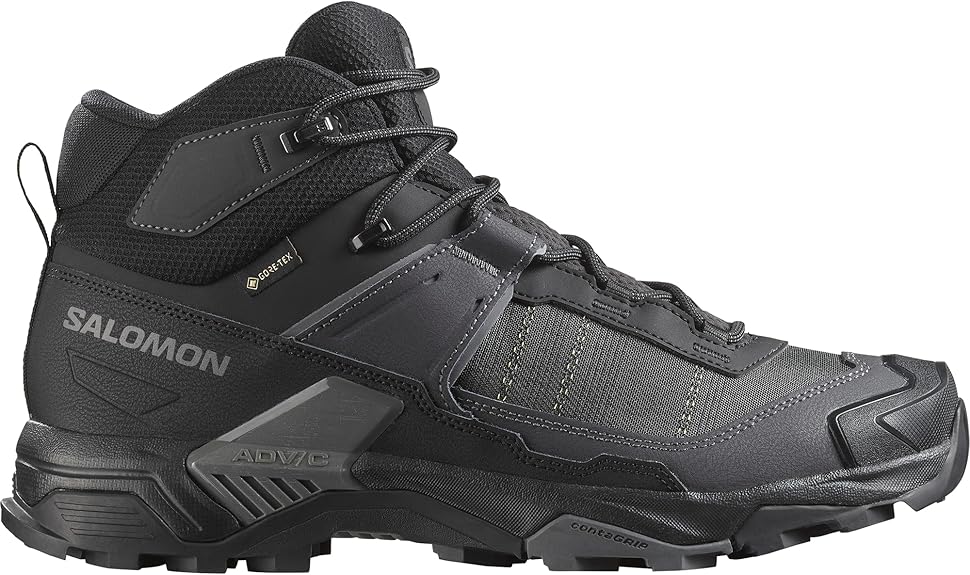
The Salomon X Ultra 5 Mid GTX represents the lightest option in this guide while maintaining hiking boot capability. At 1.9-2.1 pounds per pair, these barely exceed trail running shoe weight.
The GORE-TEX waterproof membrane keeps feet dry. The lightweight synthetic upper with Kevlar reinforcement provides protection without bulk. The Contagrip outsole delivers traction on varied terrain. The compression-molded EVA midsole cushions effectively.
Ultralight Advantage: Testing confirms these boots provide “impressive support, protection, and durability for its low weight” with “one of the best all-around boots we’ve tested.” The minimal weight becomes obvious during extended hiking or walking, significantly reduced leg fatigue compared to heavier options.
Winter Limitations: These lack dedicated winter insulation. Warmth comes from activity and sock layering rather than built-in insulation. This works for active use in moderate cold (20-40°F) but falls short during stationary exposure or extreme cold.
Performance Strengths: The hiking boot design excels at what it’s designed for, active movement on varied terrain. The support and stability suit winter hiking and snowshoeing. The waterproofing handles snow and slush effectively.
Fit Considerations: These run narrow. Wide-footed users struggle with the snug fit. Salomon offers wide versions addressing this, but standard fit suits narrow-to-average feet only.
Best For: Active users prioritizing ultralight performance for winter hiking and snowshoeing who accept limited stationary warmth for minimal weight.
➡️ Check Men’s Price On Amazon
➡️ Check Women’s Price On Amazon
4. Best Budget Lightweight: Columbia Minx Shorty IV
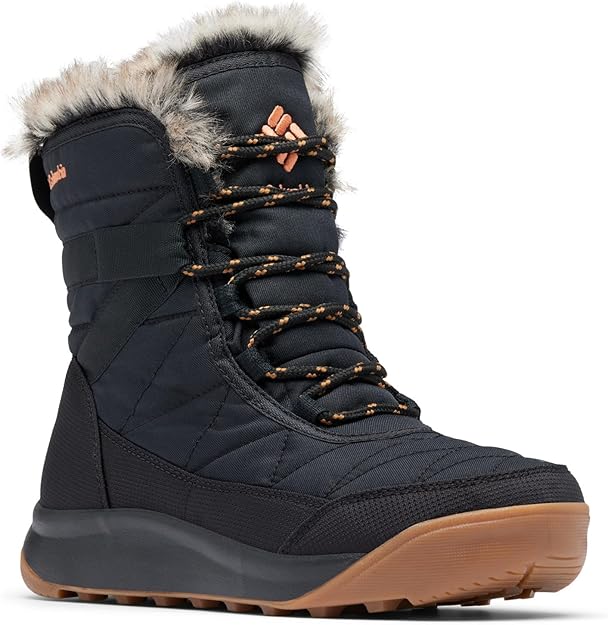
The Columbia Minx Shorty IV delivers remarkable lightness at budget pricing. At just 1.5 pounds per pair (12.5 oz per boot), these represent the lightest option in this guide.
The 200g insulation with Omni-Heat reflective lining provides warmth without bulk. The Omni-Tech waterproof breathable construction keeps feet dry. The TechLite+ midsole cushions effectively. The Adapt Trax outsole delivers wet-dry traction. The faux fur interior adds comfort.
Extreme Lightweight: Professional testing confirms these are “the lightest boot in our lineup” with boots feeling “featherlight” creating “more like wearing taller slippers” sensation. The minimal weight makes extended wear effortless.
Warmth Reality: The 200g insulation suits moderate cold during active use but struggles in extreme cold during stationary exposure. OutdoorGearLab notes “when standing still in 15–20°F conditions, our feet began to feel the chill” though feet “quickly warmed up, and even became sweaty, during uphill hikes around 30°F.”
Waterproofing Concerns: Some users report waterproofing issues. The lower 6.5-inch shaft allows snow entry in deep conditions. The Omni-Tech membrane performs adequately for typical conditions but may wet out during prolonged extreme exposure.
Strategic Value: At budget pricing, these excel for casual winter use, errands, dog walks, short outdoor exposure. For serious cold or extended wear, investing more provides better performance.
➡️ Check Women’s Price On Amazon
Best For: Budget-conscious buyers needing lightweight boots for casual Midwest winter use in moderate conditions.
5. Best Side-Zip Lightweight: Danner Arctic 600 Side-Zip
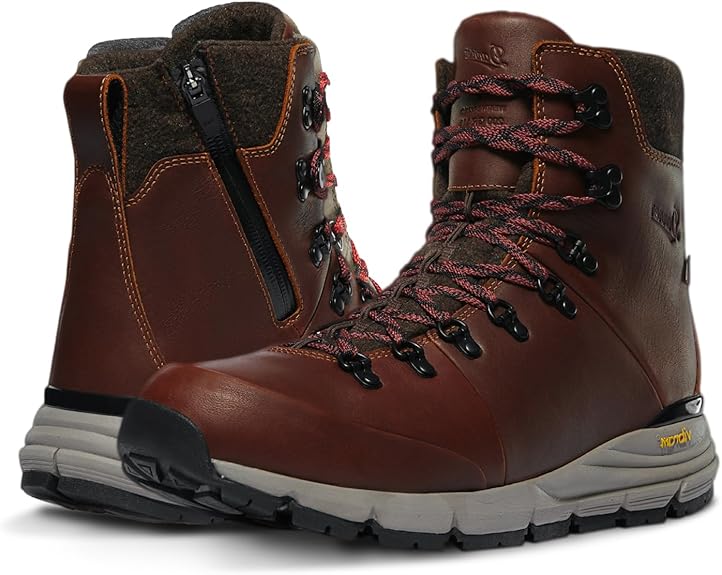
The Danner Arctic 600 Side-Zip combines lightweight construction with convenient side-zip access, rare combination in winter boots.
The 200g PrimaLoft insulation provides warmth without bulk. The Danner Dry waterproof lining keeps feet protected. The Vibram SPE midsole delivers cushioning maintaining flexibility in cold temperatures. The full-length side zipper allows easy entry. The 7-inch height balances protection with wearability.
“Slipper-Like” Comfort: Users consistently describe these boots as “comfortable as slippers” despite winter capability. The combination of soft leather, cushioned midsole, and anatomical footbed creates immediate all-day comfort without break-in.
Side-Zip Advantage: The full-length zipper makes these incredibly easy to get on and off, critical advantage during constant indoor/outdoor transitions. No struggling with frozen laces or tight openings. Zip open, slip on, zip closed.
Vibram SPE Technology: The specialized midsole maintains cushioning flexibility in cold temperatures where standard EVA stiffens. This preserves comfort and shock absorption in frigid conditions.
Weight and Warmth Balance: At approximately 2.9 pounds per pair, these deliver solid warmth-to-weight ratio. The 200g insulation handles moderate cold (15-30°F active use) effectively.
Trade-Off: The side zipper creates potential waterproofing weak point, though users report reliable performance in normal winter conditions.
➡️ Check Men’s Price On Amazon
➡️ Check Women’s Price On Amazon
Best For: Users wanting lightweight boots with side-zip convenience for frequent transitions between indoor and outdoor environments.
6. Best Immediate Lightweight Comfort: Columbia Bugaboot III
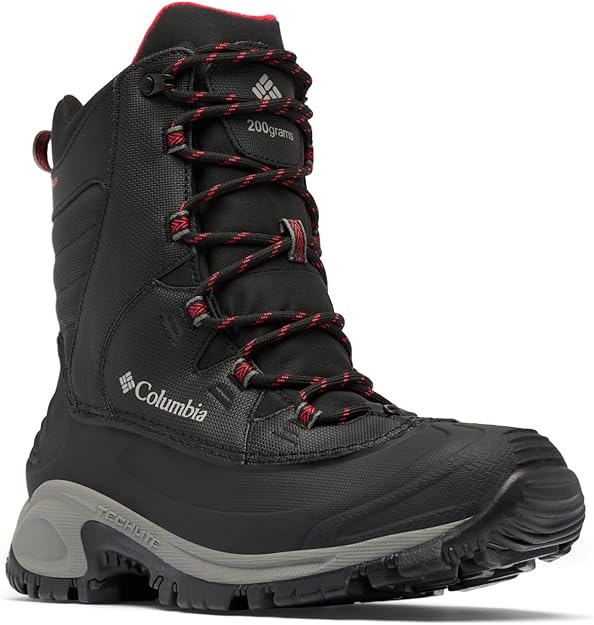
The Columbia Bugaboot III provides lightweight warmth with immediate out-of-box comfort at budget-friendly pricing.
The Omni-Heat reflective lining with 200g insulation provides warmth. The Omni-Tech waterproof construction handles wet conditions. The Omni-Grip outsole delivers traction. The 7-inch shaft offers protection without bulk.
Immediate Wearability: These feel comfortable from first wear. The soft insulation and flexible construction eliminate break-in requirements, significant advantage when you need boots immediately.
Weight Advantage: At approximately 2.5-3 pounds per pair (depending on size), these weigh noticeably less than traditional pac boots while providing adequate warmth for moderate Midwest conditions.
Performance Level: The 200g insulation handles temperatures down to about 10-20°F during active use. For extreme cold or stationary exposure, more insulation is needed.
Durability Reality: At budget pricing, expect 1-2 seasons of heavy use. Materials can’t match premium options’ longevity but provide good value for cost.
➡️ Check Men’s Price On Amazon
➡️ Check Women’s Price On Amazon
Best For: Budget buyers needing comfortable lightweight boots immediately for moderate winter use.
7. Best Lightweight Slip-On: BOGS Cedar Quilt Lace
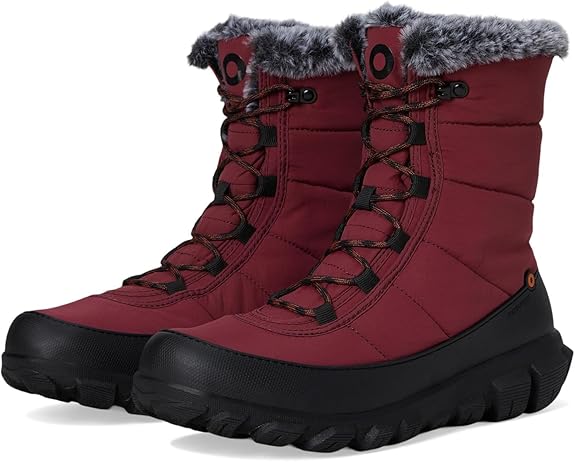
The BOGS Cedar Quilt Lace delivers Neo-Tech waterproof construction in lighter-weight package than traditional BOGS boots.
The quilted design reduces bulk while maintaining warmth. The 100% waterproof Neo-Tech construction keeps feet dry. The Rebound cushioning provides shock absorption. The slip-on design with laces allows fit customization.
Lightweight BOGS: This boot provides BOGS waterproofing reliability in lighter construction than Classic models. The quilted design reduces material while maintaining insulation effectiveness.
Slip-On Convenience: Easy on/off access with additional lacing for secure fit, best of both worlds. Pull on quickly, lace for stability.
Waterproof Reliability: Full Neo-Tech waterproof construction creates moisture barrier matching heavier BOGS models.
➡️ Check Women’s Price On Amazon
Best For: Users wanting BOGS waterproof reliability in lighter package with slip-on convenience.
8. Best Lightweight Chelsea: Blundstone All-Terrain Thermal (#1478)
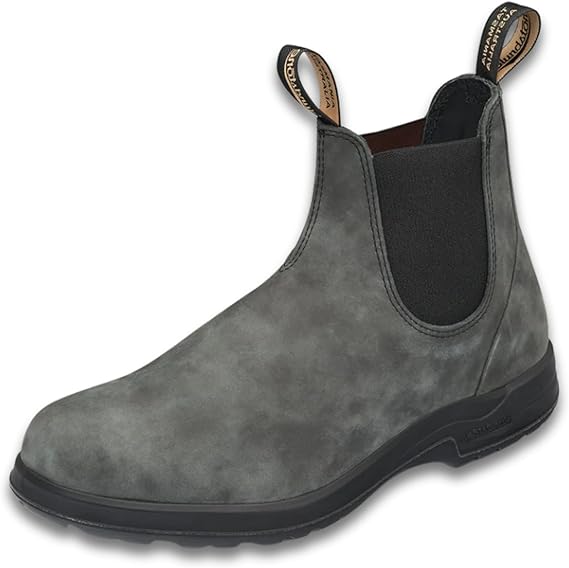
The Blundstone All-Terrain Thermal brings Chelsea boot styling to winter performance in surprisingly lightweight package.
The Thinsulate insulation provides warmth. The waterproof leather upper handles moisture. The XRD Technology in heel absorbs impact effectively. The dual-density outsole delivers traction and cushioning. The elastic side panels allow easy slip-on.
Lightweight Chelsea: At approximately 2.8 pounds per pair, these deliver winter capability in casual Chelsea format, remarkable for this style.
XRD Cushioning: The heel strike zone features XRD extreme impact protection absorbing up to 90% of impact force, reducing foot and leg fatigue significantly.
Style Versatility: The refined Chelsea design works in professional and casual contexts, transitioning seamlessly between outdoor activities and indoor environments.
Winter Performance: The Thinsulate insulation handles moderate cold (15-30°F active use) effectively. The 6-inch height limits deep snow protection.
➡️ Check Men’s Price On Amazon
➡️ Check Women’s Price On Amazon
Best For: Users prioritizing refined styling in lightweight winter-capable boot for moderate conditions.
Comparing Lightweight Winter Boots: Quick Reference
| Boot Model | Weight (pair) | Insulation | Warmth Rating | Best Feature | Price |
|---|---|---|---|---|---|
| North Face Chilkat V 400 | 3.2-3.6 lbs | 400g Heatseeker | -10 to -20°F | Best warmth-to-weight | $145-160 |
| Sorel ONA Ave | ~2.5 lbs | 100g + fleece | 20-35°F | Stylish lightweight | $140-160 |
| Salomon X Ultra 5 Mid | 1.9-2.1 lbs | None (layering) | 20-40°F active | Ultralight hiking | $185 |
| Columbia Minx Shorty IV | 1.5 lbs | 200g + Omni-Heat | 15-30°F active | Lightest option | $80-110 |
| Danner Arctic 600 | ~2.9 lbs | 200g PrimaLoft | 15-30°F | Side-zip convenience | $200-220 |
| Columbia Bugaboot III | 2.5-3 lbs | 200g + Omni-Heat | 10-20°F | Budget immediate comfort | $80-95 |
| BOGS Cedar Quilt | ~3 lbs | Neo-Tech insulation | 20-35°F | Lightweight slip-on | $110-130 |
| Blundstone Thermal | ~2.8 lbs | Thinsulate | 15-30°F | Chelsea styling | $220-240 |
Looking for More Midwest Winter Boot Guides?
If you’re still comparing options or want boots built for different winter conditions, check out our main hub covering everyday winter wear, ice traction, and extreme cold picks for the Midwest:
👉 Best Winter Boots For Midwest Winters (2026 Guide)
Maximizing Lightweight Boot Performance
Lightweight boots require different strategies than heavy traditional boots to maintain warmth and comfort.
Sock Layering for Warmth
Lightweight boots with minimal insulation rely more on sock systems for warmth management.
Base Layer: Thin merino wool or synthetic liner sock wicks moisture while adding minimal bulk.
Insulation Layer: Medium-weight merino wool or thick synthetic sock provides warmth. Choose thickness based on boot insulation and temperature.
Avoiding Over-Layering: Too many socks restrict circulation, paradoxically reducing warmth. If boots fit properly with one sock, adding more creates problems.
Activity-Based Use
Lightweight boots excel during active use but struggle during stationary exposure.
Active Movement: Walking, hiking, snowshoeing, outdoor work involving movement, lightweight boots perform well. Body heat from activity compensates for reduced insulation.
Stationary Standing: Waiting for buses, watching outdoor events, static outdoor work, lightweight boots may feel cold. Consider heavily insulated options or accept limited stationary warmth.
Temperature Matching
Match boot insulation to your coldest typical exposure, not worst-case extremes.
Moderate Cold (20-40°F): 100-200g insulation in lightweight boots works well during active use.
Cold (10-20°F): 200-400g insulation provides adequate warmth for most activities.
Extreme Cold (Below 10°F): Consider heavier boots with 400g+ insulation or accept lightweight boots work only during active movement.
The Bottom Line: Choosing Your Lightweight Boot
For most Midwest users wanting the best warmth-to-weight balance, the North Face Chilkat V 400 delivers optimal performance. The 400g insulation provides genuine warmth while 3.2-3.6 pound weight reduces fatigue significantly compared to heavier alternatives. The versatile design handles varied winter activities from commuting to light hiking.
Women seeking style alongside lightweight performance find excellent value in the Sorel ONA Ave Alpine. The refined design works in multiple contexts while delivering adequate warmth for moderate conditions at reasonable weight.
Active outdoor users prioritizing minimal weight accept the Salomon X Ultra 5 Mid GTX warmth limitations for ultralight hiking capability.
Budget-conscious buyers find remarkable value in the Columbia Minx Shorty IV at under 2 pounds and under $110, though durability and extreme cold performance trail premium options.
The key is matching boot capabilities to your actual use. Lightweight boots excel at active winter pursuits where movement generates heat and reduced weight prevents fatigue. They struggle during stationary exposure in extreme cold. Choose based on your typical activities, not occasional worst-case scenarios.
Because when you’re walking miles through winter cities, hiking snowy trails, or managing daily winter routines, that saved pound per boot becomes the difference between fatigue and comfort, between dreading your boots and forgetting you’re wearing them.
FAQs
Yes, with proper insulation and during appropriate use. Modern synthetic insulation (Heatseeker, PrimaLoft, Thinsulate) provides excellent warmth-to-weight ratios. Boots with 200-400g insulation keep feet warm during active use down to 10-20°F. For extreme cold (below 0°F) or stationary exposure, heavier boots with 400g+ insulation perform better.
For winter boots, “lightweight” means 2.5-3.5 lbs per pair for men, 2-3 lbs for women. The lightest options (Salomon X Ultra, Columbia Minx) weigh under 2 lbs but sacrifice some insulation. The best warmth-to-weight balance (North Face Chilkat V) weighs around 3.2 lbs while providing serious cold protection.
Generally no. Lightweight construction uses less material, potentially reducing lifespan. Heavy pac boots lasting 5-10 years contrast with lightweight boots lasting 2-4 seasons of heavy use. However, proper care extends lightweight boot life significantly. The weight savings during use often justifies more frequent replacement for active users.
Depends on use. For active daily use, commuting, errands, dog walks, light outdoor work, lightweight boots (2.5-3.5 lbs) reduce fatigue while providing adequate warmth. For stationary outdoor work, extreme cold, or extended outdoor exposure, heavy pac boots (4-5+ lbs) provide superior warmth. Most Midwest users benefit more from lightweight options.
No inherent difference, but women’s models often use less insulation (100-200g vs 200-400g men’s) assuming smaller body mass and lighter activity. Women running cold should choose higher insulation options regardless of gender designation. Fit matters more than gender labeling.
