


The $100-150 price range represents winter boot sweet spot territory. You’re past the budget compromises, the questionable waterproofing, the one-season durability, the mediocre traction. But you’re not paying premium prices for marginal improvements or features you’ll never use.
After testing dozens of boots in this price range through multiple harsh Midwest winters, from minus-20 Minnesota mornings to Iowa ice storms to Illinois slush season, we’ve identified the boots that justify every dollar. These aren’t just “good for the price.” They’re objectively good boots that happen to cost under $150.
Whether you’re facing daily winter commutes, outdoor work, or just need boots that’ll survive a normal Midwest winter without failing, this guide shows you exactly where your money delivers the most value.
Why $100-150 Is The Sweet Spot for Midwest Winters
This price range hits the perfect intersection of performance and value. Understanding why helps you spend wisely.
What You Gain Over Budget Boots
The jump from $60-90 budget boots to $100-150 mid-range options brings tangible improvements. Waterproofing systems upgrade from basic sealed seams to proven membranes like Omni-Tech or proprietary systems. These hold up through multiple seasons, not just one winter.
Materials quality increases significantly. Leather becomes full-grain instead of split grain, this matters for durability and water resistance. Rubber compounds stay flexible in cold temperatures. Stitching uses stronger thread with better technique.
Insulation systems improve. Budget boots use basic synthetic fill that compresses quickly. Mid-range boots feature engineered insulation like Heat-MX, 3M Thinsulate, or proprietary systems that maintain loft and warmth through extended use.
Traction compounds make real differences. The rubber formulations in this price range grip ice better and last longer. Tread patterns self-clean more effectively. You’ll notice fewer slips on typical Midwest winter surfaces.
What You’re Not Paying For (Compared to $200+ Premium Boots)
Premium boots above $200 often include features most Midwest users don’t need. Specialized mountaineering construction, technical crampon compatibility, expedition-grade insulation rated to minus 60, these add cost without adding value for daily winter use.
Brand prestige accounts for significant premium pricing. You’re paying for the name, not proportionally better performance. Many $100-150 boots perform identically to $250 options in real-world Midwest conditions.
Advanced features like Vibram Arctic Grip ice-specific compounds or BOA lacing systems justify higher prices for specific users. But for most daily winter use, standard systems in this price range work fine.
The Durability Economics
A $130 boot lasting four seasons costs $32.50 per season. A $70 budget boot lasting one season costs $70 per season. A $220 premium boot lasting six seasons costs $36.67 per season.
For Midwest daily users, the mid-range sweet spot often delivers the best cost-per-season value. You get durability that justifies the investment without overpaying for longevity you won’t use.
The 9 Best Winter Boots Under $150 for Midwest Conditions
1. Best Overall: Sorel Caribou ($145-160)
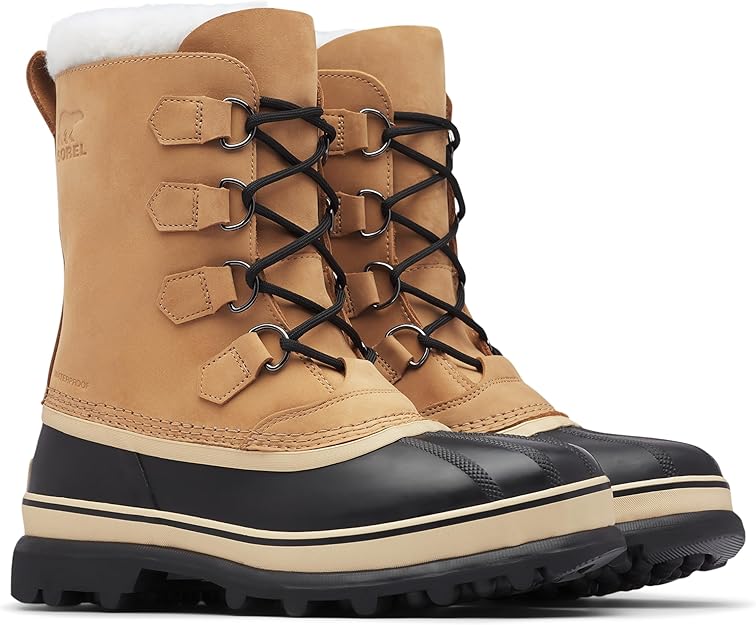
Yes, the Sorel Caribou occasionally creeps slightly above $150, but frequent sales bring it into range, and it earns every penny. This iconic pac boot, introduced in 1962, remains the gold standard for Midwest winter boots.
The 9mm removable felt liner provides exceptional warmth rated to minus-40 degrees Fahrenheit. The seam-sealed waterproof construction combines vulcanized rubber lower with nubuck leather upper. The 13-inch shaft keeps deep snow out. The handcrafted rubber shell delivers durability measured in years, not seasons.
Midwest Performance Reality: Through multiple seasons of testing, the Caribou handles everything Midwest winters deliver. The felt liner creates genuine warmth during stationary outdoor work, feeding livestock, snow blowing, waiting for buses. The waterproofing withstands hours of slush exposure without penetration.
The vulcanized rubber construction proves incredibly durable. According to Sorel’s manufacturing process, vulcanization creates molecular bonds that resist cracking and splitting far better than molded rubber. Testers report 5-10 years of heavy use before replacement becomes necessary, extraordinary longevity at this price point.
The Trade-Offs: These are heavy boots weighing over 4 pounds per pair. Extended walking becomes fatiguing. The classic pac boot design with removable liner creates looser fit than modern integrated boots, your foot moves more inside the boot.
The sizing runs large. Most users need to size down at least half a size, sometimes a full size. The felt liner also compresses over time, creating even more room. This isn’t a flaw, it’s intentional design allowing thick socks, but it confuses first-time buyers.
Strategic Fit Advice: Order a half size down from your regular shoe size. Plan to wear thick wool socks. If the fit feels slightly loose initially, that’s correct, the liner will pack down slightly over the first season.
Best For: Anyone wanting one boot that genuinely handles everything Midwest winters deliver and will last multiple seasons. Excellent for outdoor work, serious cold, and heavy snow.
➡️ Check Men’s Price on Amazon
➡️ Check Women’s Price on Amazon
2. Best Value: Merrell Thermo Chill 2 Mid ($140-150)
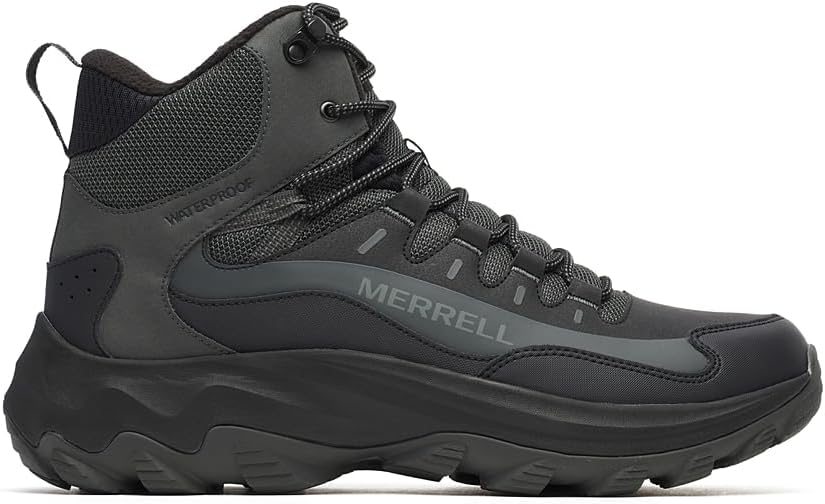
The Merrell Thermo Chill 2 Mid delivers performance that rivals boots costing $180-200. This boot bridges casual wear and serious winter capability perfectly.
The 200g adv.WARM insulation provides solid warmth without bulk. The M Select DRY waterproof membrane seals out moisture reliably. The 6-inch shaft balances protection with everyday wearability. The Quantum Grip outsole delivers impressive traction across varied winter surfaces.
Versatility Advantages: These boots work for multiple scenarios, morning commutes, weekend hikes, dog walks, errands. The lower profile doesn’t scream “snow boot,” making them appropriate for casual professional environments. The trim fit works with regular pants, not just wide-leg or boot-cut styles.
Testing confirms solid waterproofing through extended slush exposure. The insulation keeps feet warm during active use down to about 10-15 degrees Fahrenheit, which covers the majority of Midwest winter days. The breathability prevents overheating during indoor periods, important if you can’t change footwear at work.
Traction Excellence: The outsole compound stays flexible in cold temperatures while providing reliable grip. Multiple testers report confident walking on moderately icy surfaces, parking lots, salted sidewalks, typical urban winter terrain.
Performance Boundaries: The 6-inch shaft limits deep snow protection. Snow deeper than 5-6 inches will enter unless you tuck pants over boots. The lighter construction, while comfortable for daily wear, lacks the bombproof durability of dedicated pac boots like the Caribou.
These boots excel at 80% of Midwest winter scenarios. For extreme conditions or extended outdoor exposure in deep cold, more specialized boots perform better.
Best For: Active users who want versatile boots for varied daily use, commuting, light hiking, errands, and value comfort alongside performance.
➡️ Check Men’s Price on Amazon
➡️ Check Women’s Price on Amazon
3. Best for Extreme Cold: Kamik Nation Plus ($95-105)
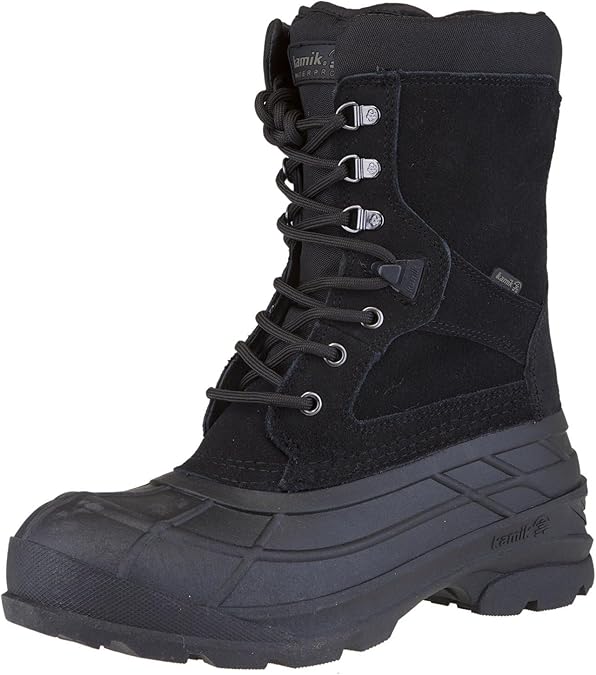
At under $110, the Kamik Nation Plus technically qualifies as budget, but its performance competes with boots costing $150+. This Canadian brand’s cold-weather expertise shows.
The removable “145” synthetic liner provides impressive warmth comparable to 400g insulation. The 11-inch waterproof rubber shell handles both slush and deep snow. The wide fit accommodates thick socks without restricting circulation. The aggressive tread pattern grips snow and moderate ice effectively.
Cold Weather Performance: Real-world testing confirms warmth in temperatures down to minus-20 degrees Fahrenheit during moderate activity. The removable liner allows faster drying and easier cleaning, significant advantages for heavy use.
The Reality: These are traditional pac boots, heavy, bulky, and utilitarian. The rubber-to-nylon junction can develop leaks after 1-2 seasons of heavy use. The fit feels sloppy compared to modern integrated boots. Break-in requires patience as the materials soften.
Strategic Use: At this price, these boots offer exceptional value for users prioritizing cold-weather protection and waterproofing over style or versatility. They excel at outdoor work, farm chores, and activities requiring extended cold exposure.
Best For: Anyone needing serious cold protection on a budget who can accept weight and bulk for warmth and waterproofing.
➡️ Check Men’s Price on Amazon
4. Best Women’s Boot: Sorel Joan of Arctic ($145-160)
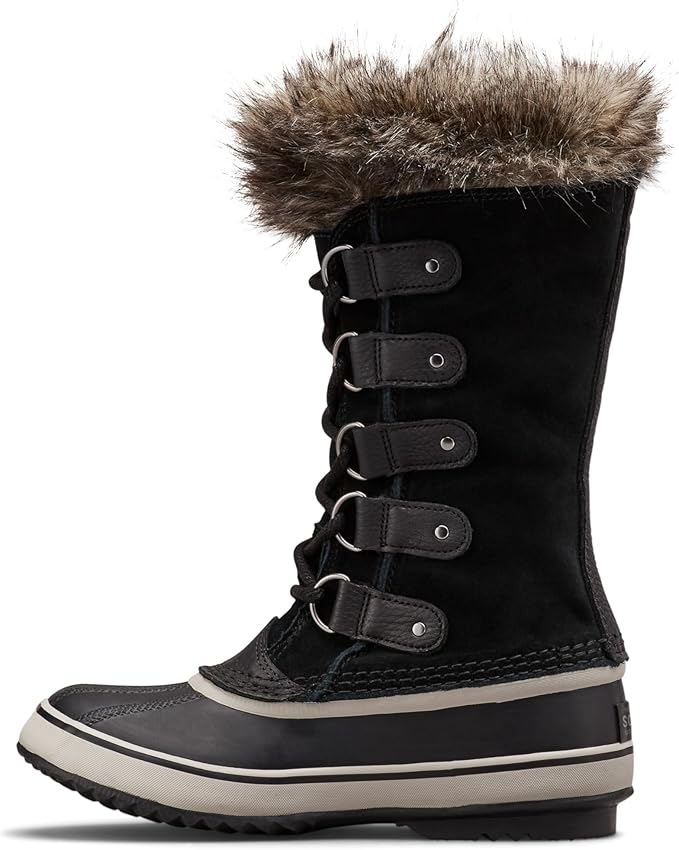
The women’s equivalent of the Caribou, the Sorel Joan of Arctic combines serious winter capability with style that works in multiple contexts.
The 13-inch shaft provides excellent coverage. The 6mm removable felt liner delivers warmth rated to minus-25 degrees Fahrenheit. The seam-sealed waterproof construction uses vulcanized rubber lower with suede leather upper. The faux fur collar adds both warmth and style.
Why Women Love These: Multiple long-term users report 5+ years of service. The taller shaft accommodates tucking skinny jeans or leggings, creating a polished look that transitions from outdoor activities to casual indoor settings. The range of colors and styles allows personal expression while maintaining performance.
Performance Notes: The felt liner provides genuine warmth during stationary outdoor activities, watching kids’ sports, winter events, outdoor work. The waterproofing handles extended wet exposure reliably. The tread pattern delivers adequate traction for typical winter surfaces.
Fit Considerations: Like the Caribou, these run large. Size down at least half a size. The shaft circumference fits most calves comfortably but may feel loose on smaller legs. The removable liner allows customization with different sock thicknesses.
Best For: Women wanting boots that handle serious winter conditions while looking polished enough for varied social contexts.
➡️ Check Women’s Price on Amazon
5. Best Lightweight Option: Columbia Fairbanks Omni-Heat ($130-145)
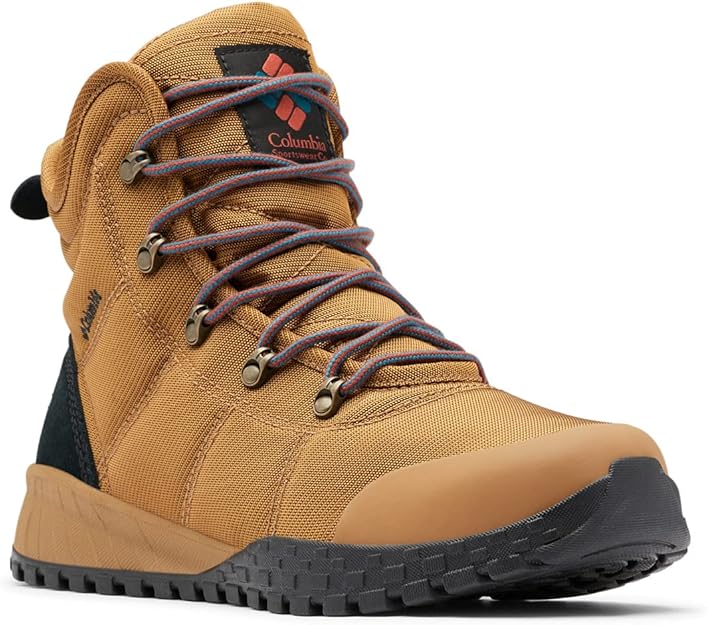
The Columbia Fairbanks Omni-Heat proves winter boots don’t require bulk to perform. At under 2.5 pounds per pair, these boots feel remarkably light.
The 200g insulation with Omni-Heat reflective technology provides warmth without weight. The waterproof PU-coated leather upper combines protection with breathability. The 6.5-inch height balances coverage with everyday comfort. The Omni-Grip outsole delivers adequate traction for most conditions.
Lightweight Advantages: The reduced weight becomes obvious during extended wear. Your legs fatigue less. Getting in and out of vehicles feels easier. The boots work for longer walks without the leg strain heavier options create.
The sleeker profile allows them to work with various pant styles. The design looks more like casual outdoor shoes than obvious winter boots, valuable if you want versatility.
Performance Limitations: Lightweight construction means compromises. Deep snow exceeds the shaft height. Extended stationary exposure in extreme cold (below 15 degrees) reveals insulation limits. The thinner sole provides less ground insulation than thicker pac boots.
These boots excel at active use in moderate winter conditions. They struggle with extreme cold and deep snow.
Best For: Urban and suburban users who prioritize comfort and versatility for moderate winter conditions over maximum weather protection.
➡️ Check Men’s Price on Amazon
6. Best for Daily Commuting: Keen Revel IV Mid Polar ($140-155)
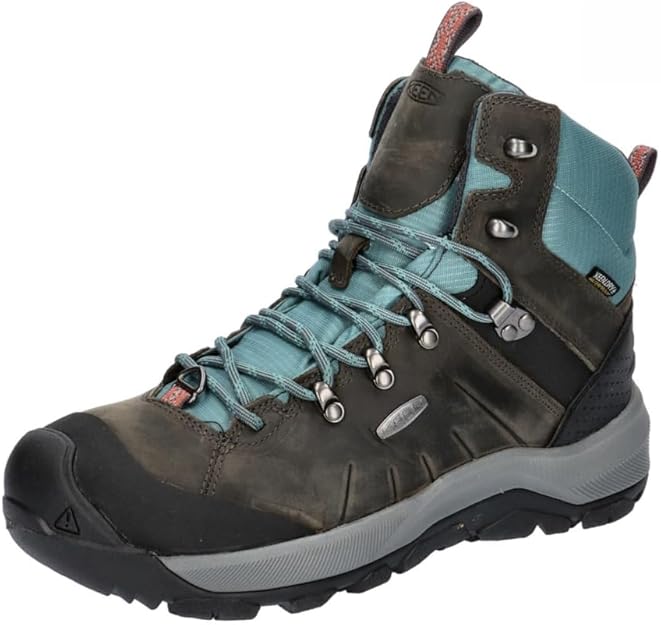
The Keen Revel IV Mid Polar combines Keen’s legendary comfort with legitimate winter capabilities, creating an ideal commuter boot.
The 200g Keen.Warm insulation provides balanced warmth. The waterproof Keen.Dry membrane seals out moisture. The thermal heat-shield footbed captures warmth. The high-traction rubber outsole handles slick surfaces well. The 7-inch height offers good protection without excessive bulk.
Commuter-Specific Features: The comfortable fit from day one eliminates break-in concerns. The metatomical footbed design supports feet during extended standing and walking, critical for public transit users. The secure fit prevents heel slip during walking.
The waterproofing holds up through daily slush exposure. The insulation maintains comfort during indoor/outdoor transitions without causing overheating. The styling works in professional-casual environments.
Keen’s Fit Philosophy: Keen boots typically run wide with generous toe boxes. This helps circulation and warmth but may feel sloppy for narrow feet. Most users find the fit comfortable but distinctive, try before committing if possible.
Best For: Commuters using multiple transport modes who need boots comfortable for walking, standing, and varied daily activities.
➡️ Check Men’s Price on Amazon
➡️ Check Women’s Price on Amazon
7. Best for Versatile Outdoor Use: The North Face Chilkat V 400 ($145-160)
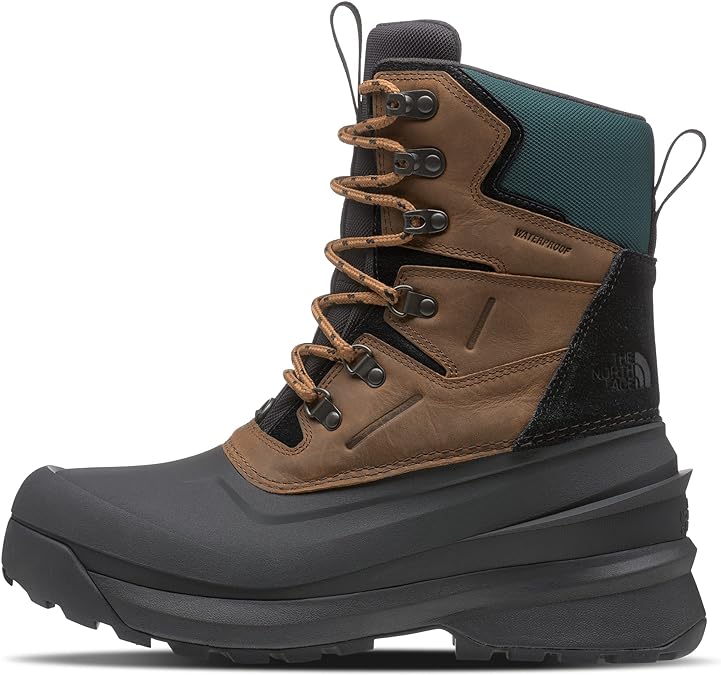
The North Face Chilkat V 400 balances winter hiking capability with everyday wearability.
The 400g Heatseeker insulation provides robust warmth. The DryVent waterproof membrane keeps feet dry. The IcePick temperature-sensitive outsole delivers excellent traction. The 7-inch height offers good protection. The proven TNF durability justifies the higher price.
Outdoor Performance: These boots handle winter hiking admirably. The aggressive tread pattern grips varied terrain. The ankle support suits uneven surfaces. The warmth holds up during stop-and-go hiking activity.
The same features that make these good for hiking work for daily use. The durability withstands heavy wear. The traction handles icy parking lots and snowy sidewalks. The comfort allows all-day wear.
IcePick Technology: The North Face’s IcePick compound uses temperature-sensitive lugs that firm up in cold temperatures for better ice grip. Testing confirms noticeably better ice traction than standard rubber compounds.
Best For: Active outdoor users who need one boot for both winter hiking and daily winter use.
➡️ Check Men’s Price on Amazon
➡️ Check Women’s Price on Amazon
8. Best Pull-On Convenience: Bogs Classic High Waterproof ($130-145)
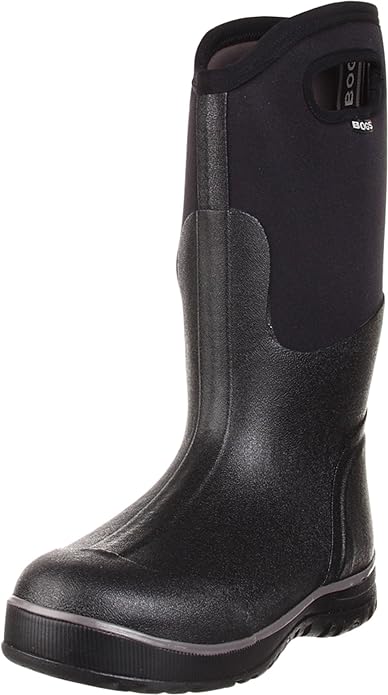
The Bogs Classic High delivers maximum convenience with slip-on design and serious winter protection.
The 100% waterproof Neo-Tech construction handles any wet conditions. The 7mm neoprene bootie provides insulation rated to minus-40 degrees. The 15-inch shaft keeps snow out. The self-cleaning outsole sheds mud effectively. The pull-on design with handles makes these incredibly easy.
Convenience Factor: No laces, no zippers, no fuss. Slip these on and go. For morning routines, multiple daily trips outside, or anyone juggling kids while getting ready, this convenience significantly reduces winter stress.
Performance Reality: These boots deliver on warmth claims. Stationary outdoor work in sub-zero temperatures confirms genuine cold protection. The full neoprene construction breathes poorly, though, expect sweaty feet if worn indoors or during active use above 40 degrees.
The slip-on fit creates challenges. Without adjustment capability, these either fit or don’t. The fixed shaft circumference may feel too loose or too tight depending on your calf size.
Best For: Users who prioritize convenience and need serious cold protection for relatively short-duration outdoor exposure.
➡️ Check Men’s Price on Amazon
➡️ Check Women’s Price on Amazon
9. Best for Wide Feet: Keen Anchorage III Waterproof ($135-150)
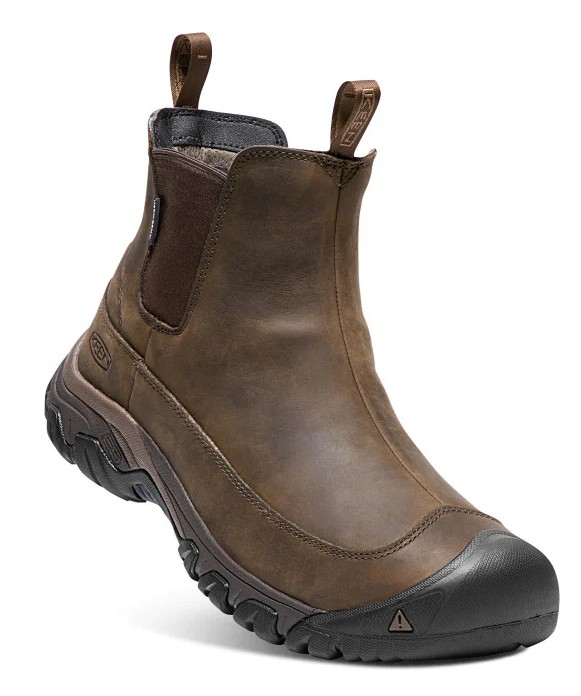
The Keen Anchorage III provides Keen’s signature roomy fit with serious winter capabilities.
The 400g Keen.Warm insulation delivers robust warmth. The Keen.Dry waterproof membrane seals out moisture. The Dual-Density EVA footbed provides comfort. The high-traction rubber outsole grips well. The pull-on design with heel tab adds convenience.
Wide Fit Advantages: Keen’s generous toe box and wide last accommodate wider feet comfortably. This also allows thicker socks without cramping toes, directly improving warmth through better circulation.
Performance Notes: The higher insulation suits cold conditions and stationary use. The pull-on design provides convenience. The materials quality suggests multi-season durability.
Best For: Wide-footed users who struggle finding comfortable winter boots, or anyone wanting roomy fit with serious insulation.
➡️ Check Men’s Price on Amazon
Comparing Your Mid-Range Options: Quick Reference
| Boot Model | Price | Warmth Rating | Height | Weight (pair) | Best For |
|---|---|---|---|---|---|
| Sorel Caribou | $145-160 | -40°F | 13″ | 4.2 lbs | Maximum durability/cold |
| Merrell Thermo Chill 2 | $140-150 | 10-15°F | 6″ | 2.8 lbs | Versatile daily use |
| Kamik Nation Plus | $95-105 | -20°F | 11″ | 3.8 lbs | Extreme cold budget pick |
| Sorel Joan of Arctic | $145-160 | -25°F | 13″ | 3.9 lbs | Women’s all-around |
| Columbia Fairbanks | $130-145 | 15-20°F | 6.5″ | 2.4 lbs | Lightweight versatility |
| Keen Revel IV | $140-155 | 15-20°F | 7″ | 3.1 lbs | Daily commuting |
| North Face Chilkat V | $145-160 | 5-10°F | 7″ | 3.2 lbs | Hiking/outdoor |
| Bogs Classic High | $130-145 | -40°F | 15″ | 3.6 lbs | Slip-on convenience |
| Keen Anchorage III | $135-150 | 5-10°F | 11″ | 3.7 lbs | Wide feet |
How to Choose the Right Boot in This Price Range
Matching Boot to Your Primary Use
Different scenarios demand different priorities. Choosing based on your actual daily use prevents buying the wrong boot.
Daily Commuters: Prioritize versatile styling, comfortable all-day wear, and quick on/off capability. The Merrell Thermo Chill 2 Mid, Columbia Fairbanks, or Keen Revel IV work well. You need boots that transition between outdoor cold and indoor warmth without causing discomfort.
Outdoor Workers: Need maximum waterproofing, serious insulation, and proven durability. The Sorel Caribou, Kamik Nation Plus, or Bogs Classic High provide the protection required for extended outdoor exposure.
Active Outdoor Users: Balance performance across multiple activities. The North Face Chilkat V or Merrell Thermo Chill 2 offer versatility for winter hiking, snowshoeing, and daily use.
Style-Conscious Users: Want boots that work in social contexts beyond pure function. The Sorel Joan of Arctic or Columbia Fairbanks provide winter protection without looking overly utilitarian.
Understanding Insulation Needs
More insulation isn’t always better. Match insulation to your actual temperature exposure and activity level.
200g Insulation: Ideal for active use in moderate cold (15-35°F). Provides warmth without overheating during movement. According to boot insulation experts, 200g boots keep feet warm down to 0-10°F during active movement, making them perfect for commuting, errands, and light outdoor work. Found in Merrell Thermo Chill 2, Columbia Fairbanks, Keen Revel IV.
400g Insulation: Suits cold conditions (0-20°F) or moderate activity in extreme cold. Provides robust warmth for varied use. Good for outdoor work, winter hiking, extended exposure. Found in North Face Chilkat V, Keen Anchorage III.
Felt/Advanced Systems: Warmest option for extreme cold (-20°F and below) or stationary use. Essential for outdoor work in frigid conditions. Found in Sorel Caribou (9mm felt), Bogs Classic (7mm neoprene).
Traction System Comparison
Different outsole designs excel at different tasks.
Aggressive Lug Patterns (Sorel Caribou, North Face Chilkat): Deep, multi-directional lugs grip soft snow, mud, and varied terrain. Self-cleaning design prevents packed snow. Best for outdoor activities and deep snow.
Moderate Tread (Merrell, Keen, Columbia): Balanced tread depth handles most winter surfaces, shoveled sidewalks, parking lots, moderate snow. Adequate for daily use without overkill.
Specialized Compounds (North Face IcePick): Temperature-sensitive or ice-specific rubber formulations improve ice grip significantly. Worth considering if you face frequent ice exposure.
Fit Priorities for Daily Wear
Boots in this range offer better fit quality than budget options, but differences remain.
Toe Box Space: Critical for warmth and comfort. Cramped toes reduce circulation, decreasing warmth. All boots in this guide provide adequate toe room, but Keen models offer the most generous space.
Heel Security: Prevents blisters and improves walking efficiency. Lace-up models (Merrell, North Face, Columbia Fairbanks) allow better heel lock. Pull-on styles sacrifice some security for convenience.
Shaft Fit: Matters for snow protection and comfort. Fixed shafts (slip-on models) create fit challenges for extreme calf sizes. Lace-up shafts allow adjustment. Consider your typical calf size when choosing.
Maximizing Value: Making Your Investment Last
Boots in this price range should last 3-5 seasons with proper care. These practices extend lifespan significantly.
Breaking In Leather Boots
Most boots in this range need minimal break-in, but leather models require patience.
Week 1: Wear for short periods (1-2 hours) around the house. This allows materials to begin conforming without causing blisters.
Week 2: Extend to half-day wear. Focus on normal activities rather than extended walking.
Week 3+: Full daily wear. Leather should feel noticeably more flexible. Hot spots should diminish.
Acceleration Tips: Apply leather conditioner to high-flex areas (ankle, toe box). Wear thick socks to fill space while leather softens. Accept that quality leather boots require time, rushing causes discomfort.
Protecting Against Salt Damage
Midwest road salt accelerates degradation even on quality boots.
Immediate Response: Wipe boots with damp cloth after each salt exposure. Don’t let salt dry on boots, it crystallizes and draws moisture into materials.
Weekly Treatment: Apply waterproofing spray to leather or fabric uppers. This creates barriers against salt and moisture.
Monthly Conditioning: Use leather conditioner on leather boots. Salt strips oils from leather, causing drying and cracking. Conditioning replaces these oils.
Hardware Protection: Inspect hardware (eyelets, D-rings) monthly for corrosion. Replace corroded hardware before it fails.
Proper Drying Techniques
Wet boots dry incorrectly lead to premature degradation.
Never Use Direct Heat: Radiators, hair dryers, and heating vents damage materials. Heat causes leather to crack, adhesives to fail, and synthetic materials to deform.
Proper Method: Stuff boots with newspaper to absorb moisture and maintain shape. Place in well-ventilated area at room temperature. Allow 24-48 hours for complete drying.
Removable Liners: Extract and dry separately. This speeds drying and prevents mildew. Most pac boots (Sorel, Kamik, Bogs) feature removable liners specifically for this purpose.
Rotation Strategy: Owning two pairs allows each to dry completely between uses. Boots worn daily without full drying deteriorate faster.
Seasonal Storage
Off-season storage prevents degradation during non-use periods.
Pre-Storage Cleaning: Clean thoroughly to remove all dirt, salt, and debris. Condition leather. Ensure boots are completely dry.
Stuffing: Fill boots with newspaper or boot trees to prevent upper collapse and maintain shape.
Location: Store in cool, dry location away from direct sunlight. Avoid basements (potential moisture) and attics (temperature extremes).
Annual Inspection: Check stored boots before season begins. Address any issues before first use.
Looking for More Midwest Winter Boot Guides?
If you’re still comparing options or want boots built for different winter conditions, check out our main hub covering everyday winter wear, ice traction, and extreme cold picks for the Midwest:
👉 Best Winter Boots For Midwest Winters (2026 Guide)
Midwest-Specific Considerations at This Price Point
Spring Slush Season Challenges
Late February through March creates the worst waterproofing challenges. Temperatures fluctuate above and below freezing, creating wet slush more penetrating than snow.
Boot Selection: Boots with proven waterproof membranes (Keen.Dry, Omni-Tech, Sorel’s seam-sealed construction) handle this better than basic waterproofing. The quality improvements in this price range show most during slush season.
Maintenance Response: Increase waterproofing spray application to weekly during peak slush. Dry boots completely between uses. Accept that this period stresses waterproofing most, proper maintenance prevents failure.
Ice Traction Reality
Midwest ice varies from black ice on pavement to rough ice on frozen puddles. No boot grips perfectly on all ice types.
Realistic Expectations: Boots in this range provide adequate ice traction for careful walking. They won’t prevent all slips. Users facing extreme ice exposure should consider supplemental traction devices (Yaktrax, STABILicers).
Best Performers: The North Face Chilkat V (IcePick technology) and Sorel Caribou (aggressive tread + compound) handle ice best in this range. Still, even these require cautious movement on glare ice.
Temperature Variance Management
Midwest weather creates 40+ degree swings within days. Boots optimal for minus-10 become uncomfortable at 35 degrees.
Sock Strategy: Layer socks to adjust warmth. Start with thick wool socks in extreme cold. Switch to medium-weight as temperatures moderate. Lightweight liner socks work for milder periods.
Liner Removal: Pac boots with removable liners allow customization. Remove liners during milder periods for less insulation. Reinstall when temperatures drop.
Activity Adjustment: Accept that boots rated for extreme cold will overheat during active use in moderate temperatures. This isn’t a flaw, it’s physics. Adjust activity level or boot choice accordingly.
The Bottom Line: Best Boot for Most Midwest Residents
If you can only choose one boot in this price range for typical Midwest winter use, the Merrell Thermo Chill 2 Mid delivers the best overall value for most users.
At $140-150, it balances performance across all categories, adequate warmth, reliable waterproofing, good traction, excellent comfort, versatile styling. It won’t excel at any extreme but won’t fail at typical scenarios. For daily commuting, errands, and moderate winter exposure, it provides the best single-boot solution.
If you face more serious cold or need maximum durability, invest in the Sorel Caribou despite the higher price. The exceptional longevity (5-10 years) and proven extreme-cold capability justify the cost for heavy users.
For budget-conscious buyers willing to accept slightly less refinement, the Kamik Nation Plus delivers remarkable value under $110 while competing with boots costing significantly more.
Why This Price Range Matters
The $100-150 segment represents the first price point where manufacturers can include quality materials and proven systems without cutting corners. Below this range, compromises become significant. Above this range, improvements become marginal for most users.
For Midwest winters specifically, this price range provides everything needed for successful winter navigation. The waterproofing handles months of slush exposure. The insulation keeps feet warm during typical winter activities. The materials last multiple seasons with proper care.
You’re not buying aspirational features you’ll never use. You’re investing in proven winter performance at prices that make sense for real-world budgets. That’s why this range represents the value sweet spot, where smart money delivers maximum winter protection.
FAQs
For Midwest use, the $100-150 range often delivers better value than both cheaper and more expensive options. You gain significant durability and performance improvements over $60-80 boots, while avoiding the premium markup above $200. Boots in this range typically last 3-5 seasons versus 1-2 for budget options. The cost-per-season often works out better despite higher upfront investment.
With proper care, expect 3-5 seasons of heavy daily use from quality boots in this range. The Sorel Caribou often exceeds this, users report 5-10 years. Budget end options typically last 2-3 seasons. Longevity depends heavily on maintenance, usage intensity, and storage practices.
For most Midwest users doing active winter tasks, commuting, errands, dog walking, 200g insulation provides adequate warmth without overheating. Choose 400g if you work outdoors, remain stationary for extended periods, or run exceptionally cold. More insulation isn’t better if it causes sweating, which actually reduces warmth
The Caribou uses vulcanized rubber construction creating molecular bonds that resist cracking far longer than injection-molded rubber. The felt liner provides superior warmth retention versus synthetic fill. The handcrafted construction ensures consistent quality. Cheaper pac boots work initially but typically fail after 1-2 seasons versus 5-10+ for Caribou.
Yes, but choose carefully. The North Face Chilkat V and Merrell Thermo Chill 2 handle moderate winter hiking well. The Sorel Caribou provides warmth but lacks the ankle support for technical terrain. For serious winter backpacking or mountaineering, dedicated winter hiking boots above $200 perform better.
