


Working outdoors during a Midwest winter isn’t just uncomfortable, it’s genuinely dangerous when your boots fail. Frostbite happens faster than most workers realize. OSHA reports that workers exposed to extreme cold face risks including trench foot, frostbite, and hypothermia when protective equipment fails. Your feet, furthest from your core and in constant contact with frozen ground, freeze first.
Most workers discover their boots’ inadequacy too late, after toes go numb during a morning shift, after circulation problems develop, after they’ve already bought boots that claimed “insulated” but provided no actual cold protection. The frustration compounds when manufacturers list insulation grams without context about what those numbers actually mean for real Midwest winter work.
After testing insulated work boots during actual Midwest winter conditions, utility work in Minnesota minus-15 degree mornings, road construction in Wisconsin during January cold snaps, outdoor maintenance in Illinois through temperature swings from 5 degrees to 30 degrees in single days, we’ve identified five boots that deliver genuine cold protection for varying levels of winter work intensity.
What Insulation Ratings Actually Mean
Insulation gets measured in grams, but the number only tells part of the story. Understanding what different insulation levels provide helps match boots to your actual winter work conditions.
200g Insulation
Temperature Range: Comfortable down to approximately 30°F during active work
Best For: Light outdoor work, heated buildings with outdoor exposure, mild winter climates
Midwest Reality: Adequate for indoor workers with outdoor commutes and tasks. Too light for sustained outdoor work below 20°F.
200g provides minimal insulation, enough to prevent cold feet during brief outdoor exposure but insufficient for extended outdoor work during Midwest winter. Workers who remain active (walking job sites, climbing, moving materials) generate body heat that supplements the light insulation. Workers standing stationary or operating equipment need more.
400g Insulation
Temperature Range: Comfortable down to approximately 20°F during active work, 30°F during stationary work
Best For: General outdoor construction, utilities, moderate-activity outdoor work
Midwest Reality: The sweet spot for most Midwest outdoor workers. Provides adequate warmth without causing overheating during physical work.
400g represents the most versatile insulation level for Midwest winters. It handles typical winter work days (temperatures 10-30°F) while remaining breathable enough to prevent sweat buildup during active movements. Workers performing heavy labor might still overheat, while those operating equipment in extreme cold might need heavier insulation.
600g Insulation
Temperature Range: Comfortable down to approximately 10°F during active work, 20°F during stationary work
Best For: Utility work, winter road construction, extended outdoor exposure in cold temperatures
Midwest Reality: Necessary for workers spending entire shifts outdoors during deep winter. Can cause overheating in temperatures above 25°F during active work.
600g provides substantial warmth for extended cold exposure. This level suits utility workers making repairs during winter storms, road crews working night shifts in subzero temperatures, and outdoor construction continuing through deep winter. The insulation becomes excessive during milder winter days or for workers in heated buildings.
800g-1,200g Insulation
Temperature Range: Comfortable down to minus-20°F to minus-40°F depending on activity level
Best For: Extreme cold outdoor work, stationary positions, minimal movement
Midwest Reality: Necessary only for workers facing extreme cold with minimal movement, ice road work, stationary equipment operation in severe weather, emergency repair work in extreme conditions.
Heavy insulation suits specific extreme conditions. Most Midwest workers find 800g-plus insulation excessive, it causes overheating during any physical activity, adds substantial boot weight, and reduces flexibility. Reserve this insulation level for genuinely extreme conditions rather than typical Midwest winter work.
The Activity Level Factor
Insulation ratings assume moderate activity levels. Your actual needs vary based on work intensity:
Heavy Labor (framing, material handling, digging): Subtract 200g from recommendations. Active work generates significant body heat.
Moderate Activity (general construction, walking job sites, mixed tasks): Use standard recommendations.
Light Activity (equipment operation, inspection work, minimal movement): Add 200g to recommendations. Limited movement provides less body heat.
Stationary Work (traffic control, security, guard duty): Add 400g to recommendations. Standing generates minimal warmth.
The 5 Best Insulated Work Boots for Midwest Winters
1. KEEN Utility Dover 8″ Insulated: 600g Premium Performance
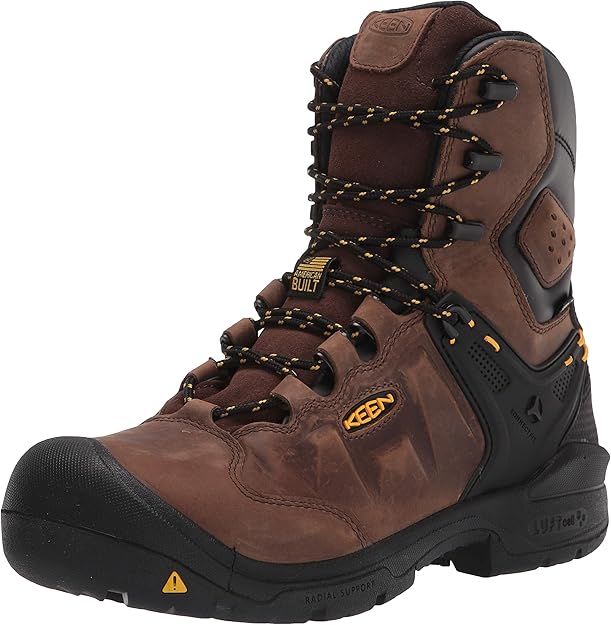
The KEEN Utility Dover 8″ with 600g insulation represents KEEN’s commitment to combining genuine cold protection with their signature comfort technology.
What works: The 600g KEEN.WARM insulation uses lightweight synthetic fibers providing warmth without excessive bulk. Unlike cheap insulation that compresses and loses effectiveness, KEEN.WARM maintains loft even after months of wear. The insulation wraps completely around the foot not just the top preventing cold transfer from frozen ground.
The carbon-fiber safety toe weighs 15% less than steel while meeting ASTM F2412-17 and F2913-17 standards. The reduced weight matters significantly in insulated boots where total weight already increases from insulation materials. At 31.4 ounces per boot, these weigh substantially less than comparable steel-toe insulated options.
The KEEN.DRY waterproof breathable membrane keeps external moisture out while allowing sweat vapor to escape, critical in insulated boots where trapped moisture accelerates heat loss. The moisture-wicking mesh lining works with the membrane to prevent clammy feet that freeze faster than dry feet.
KEEN’s Luftcell air-infused PU midsole provides cushioning without the stiffness common in cold-weather boots. The midsole stays flexible in cold temperatures where cheaper materials harden. The 90-degree heel provides ladder stability while the oil-and-slip-resistant outsole meets ASTM F1677-96 MARK II standards.
Midwest-specific performance: Workers report these boots handle extended outdoor shifts in temperatures down to 5-10°F comfortably during moderate activity. The 8-inch height prevents snow from entering over the top. The KONNECTFIT heel-capture system locks the heel, preventing slippage inside boots when wearing thick winter socks.
The boots are assembled in Portland, Oregon, using quality materials. The waterproof leather comes from Leather Working Group-certified tanneries. Multiple construction workers and utility workers report these boots surviving full Midwest winter seasons without insulation degradation.
The compromise: At $220-260, these boots cost significantly more than budget insulated options. The 600g insulation can cause overheating in temperatures above 25°F during heavy physical work. Workers doing active labor in mild winter conditions might need lighter insulation.
The boots run slightly large to accommodate thick socks, many users size down a half-size. The carbon-fiber toe provides ample room but can feel roomy for workers with narrow feet. The direct-attach construction means these boots can’t be resoled, when soles wear out, replacement becomes necessary.
Some users report the waterproof membrane eventually leaking after a full season of daily use in wet, slushy conditions. The quality generally holds well, but the membrane represents the most common long-term failure point.
Best for: Utility workers, outdoor construction crews, anyone spending entire shifts outdoors in temperatures 5-25°F. Ideal for workers needing maximum warmth with premium comfort features.
2. Timberland PRO Direct Attach 200g: Versatile Winter Performer
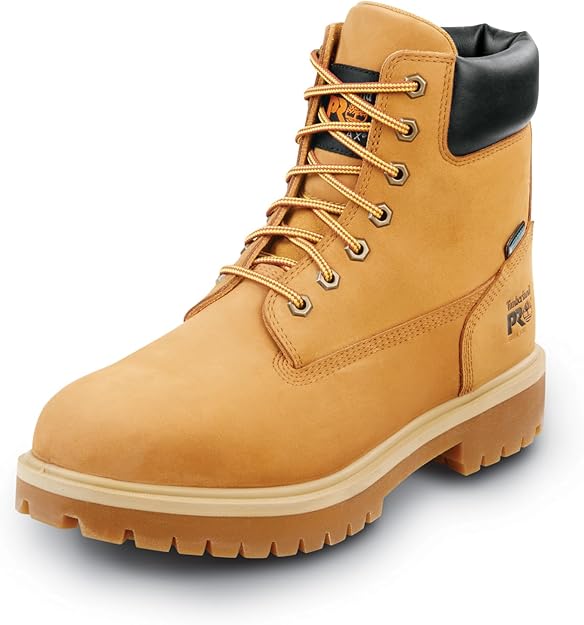
The Timberland PRO Direct Attach with 200g insulation targets workers needing light insulation for mixed indoor-outdoor work during Midwest winters.
What works: The 200g Thermolite insulation provides warmth for mild winter conditions without causing overheating during active work. Thermolite uses hollow-core fibers that trap air for insulation while remaining lightweight and breathable. The insulation compresses minimally, maintaining effectiveness over time.
The seam-sealed waterproof leather construction keeps feet dry during slush, snow, and rain. Direct-attach construction fuses the sole to the leather upper, creating a waterproof bond without stitching that can leak. The padded collar and mesh lining with antimicrobial treatment prevent rubbing and control odor.
Timberland PRO’s Anti-Fatigue Technology uses conical polyurethane that compresses and rebounds with each step, providing energy return that reduces fatigue. This technology particularly benefits workers on their feet all day. The OrthoLite removable insoles provide additional cushioning and can be replaced or upgraded.
The steel toe meets ASTM F2412-11 and ASTM F2413-11 I/75 C/75 standards. Electrical hazard protection meets ASTM F2892-11 standards. The oil-, slip-, and heat-resistant rubber outsole maintains traction across temperature ranges.
Midwest-specific performance: Workers report these boots handle temperatures down to 25-30°F comfortably during active work. The light insulation prevents overheating in heated buildings or during physical labor. The boots work well for construction workers transitioning between indoor and outdoor environments.
The waterproofing survives extended exposure to Midwest slush. The seam-sealed construction prevents leaking that plagues cheaper boots. The ReBOTL lining (50% recycled plastic) wicks moisture effectively.
The compromise: The 200g insulation proves inadequate for extended outdoor work below 20°F. Workers spending entire shifts outdoors during deep winter need heavier insulation. The light insulation also provides insufficient warmth for stationary work, traffic control, equipment operation with minimal movement.
The steel toe conducts cold more than composite or carbon-fiber options. During extreme cold, the steel toe becomes noticeably cold despite the insulation. Thick wool socks help but don’t completely eliminate the issue. The boots run slightly large, many users order a half-size down.
The direct-attach construction means these can’t be resoled. Expect 12-18 months of daily use before replacement becomes necessary. The outsole shows moderate wear resistance, heavier than light-duty boots but not matching premium resoleable options.
Best for: Workers needing light insulation for mixed indoor-outdoor work. Construction crews, facility maintenance, workers in heated buildings with regular outdoor tasks. Anyone working in temperatures 20-40°F with moderate activity levels.
3. Baffin Constructor Industrial: Extreme Cold Specialist
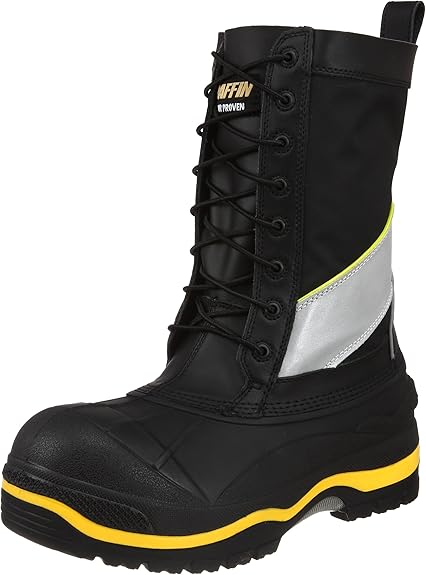
The Baffin Constructor Industrial targets workers facing the most extreme Midwest winter conditions where standard insulated boots fail.
What works: The removable 1,200g thermal liner provides exceptional warmth rated to minus-40°F. The liner uses Baffin’s B-Tek Dry waterproof breathable technology combined with multi-layer insulation. The removable design allows drying the liner separately, critical for preventing moisture buildup that reduces insulation effectiveness.
The triple-density rubber compound outsole stays flexible in extreme cold where standard rubber hardens and loses grip. The aggressive Arctic Grip tread pattern provides traction on ice and snow. The tall shaft (approximately 10 inches) prevents snow from entering and provides additional cold protection.
The composite safety toe meets CSA standards (Canadian equivalent to ASTM) while remaining lightweight and non-conductive. The non-metallic construction doesn’t conduct cold like steel toes. The waterproof leather upper with sealed seams handles wet, slushy conditions.
Midwest-specific performance: Workers in extreme conditions, utility emergency repairs during blizzards, ice road work, extended outdoor exposure in subzero temperatures, report these boots genuinely handle minus-20 to minus-40°F conditions. The heavy insulation and removable liner provide unmatched cold protection.
The tall shaft and aggressive tread excel in deep snow. The Arctic Grip tread maintains traction when other boots become dangerously slippery. Construction workers doing foundation work during winter freezes appreciate the extreme warmth.
The compromise: These boots are heavy and bulky. The extreme insulation, tall shaft, and robust construction create a boot weighing approximately 5-6 pounds per pair. The weight and bulk make these unsuitable for climbing ladders repeatedly or jobs requiring agility.
The 1,200g insulation causes overheating in any temperature above 15°F or during physically demanding work. These boots target stationary work or minimal-movement positions in extreme cold—not general construction labor. Workers doing active physical work will overheat quickly.
The boots run large to accommodate thick socks and the removable liner. Most users order down one full size. The sizing can be confusing, verify carefully before ordering. The tall shaft makes getting boots on and off time-consuming compared to standard work boots.
At $200-250, these cost as much or more than premium work boots while serving a narrower purpose. Most Midwest workers don’t need this level of insulation except during occasional extreme cold events.
Best for: Workers facing genuine extreme cold, utility emergency work, ice road crews, winter road construction in severe weather. Anyone working in temperatures below 10°F with minimal movement or stationary positions.
4. Irish Setter Wingshooter ST 400g: Hunting Boot Technology for Work
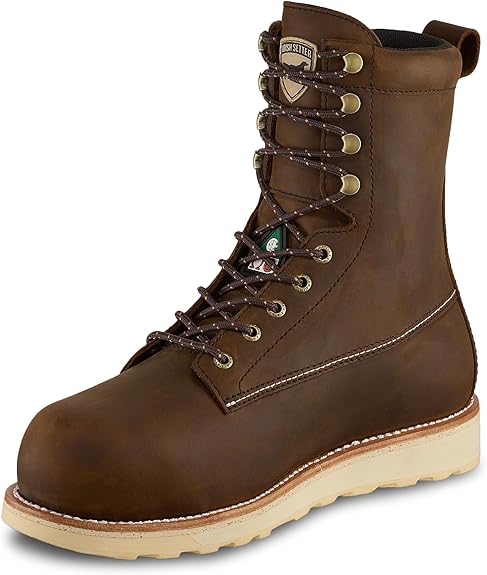
The Irish Setter Wingshooter ST with 400g insulation applies Red Wing’s hunting boot expertise to industrial work environments.
What works: The 400g PrimaLoft insulation provides excellent warmth-to-weight ratio. PrimaLoft uses ultra-fine microfibers that trap air effectively while remaining compressible. The insulation maintains warmth even when wet, critical when waterproofing eventually fails or condensation builds inside boots.
The ScentBan technology controls odor through antimicrobial treatment, less critical for work than hunting but appreciated during long shifts. The UltraDry waterproofing uses a breathable membrane combined with moisture-wicking lining to manage both external water and internal sweat.
The non-metallic composite toe meets CSA standards while weighing less than steel and not conducting temperature. The RPM (Rebound Polyurethane Midsole) provides cushioning and energy return. The cushioning matters particularly on frozen ground that transmits impact through boots.
The traction sole uses a lug pattern designed for varied terrain, from frozen ground to muddy thaw to icy surfaces. The sole compound remains flexible in cold temperatures. The 8-inch height prevents snow entry and provides ankle support.
Midwest-specific performance: Construction workers and outdoor crews report these boots handle typical Midwest winter work, temperatures 10-30°F during moderate activity. The 400g insulation provides the versatile middle ground between too-light 200g and too-heavy 600g options.
The waterproofing holds up well during a season of daily use. The breathable membrane prevents the swampy feeling during warmer winter days or active work. The composite toe doesn’t conduct cold like steel, maintaining comfort in extreme temperatures.
The compromise: The hunting boot styling doesn’t appeal to workers wanting traditional work boot aesthetics. The camouflage pattern and design details target hunters first, workers second. The boots perform well functionally but look different from typical work boots.
The boots run slightly large, most users size down a half-size. The wide toe box accommodates most feet but can feel roomy for narrow-footed workers. The cement construction means these can’t be resoled, when soles wear out, replacement becomes necessary.
Quality control appears inconsistent, some users report excellent durability, others report premature sole separation or waterproofing failure. At this price point ($150-190), consistency matters. The Irish Setter brand represents Red Wing’s budget line, and it shows in variable quality.
Best for: Outdoor workers needing versatile 400g insulation. Construction crews, utilities, outdoor maintenance. Anyone working in varying winter conditions requiring middle-ground insulation.
5. Carhartt 8″ Waterproof Leather Logger: Budget Winter Workhorse
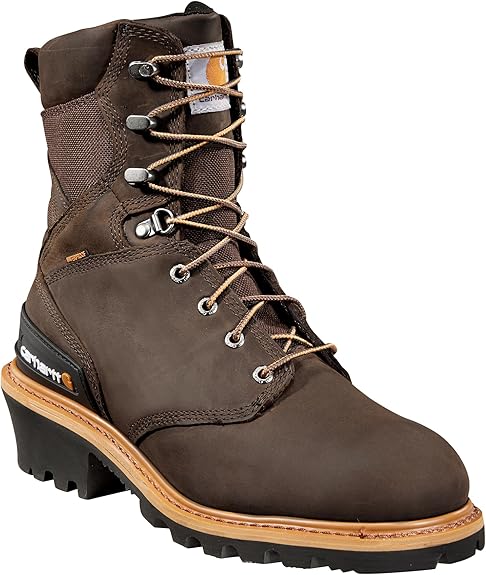
The Carhartt 8″ Waterproof Logger with insulation delivers Carhartt’s signature no-nonsense durability in an insulated work boot.
What works: The oil-tanned leather upper provides natural water resistance before considering the waterproof membrane. Oil-tanning saturates leather with oils that repel moisture while maintaining flexibility in cold. The Storm Defender waterproof breathable membrane adds another protection layer.
The FastDry lining wicks moisture away from feet quickly, critical in insulated boots where trapped sweat freezes or creates clammy cold. The Ortholite insoles provide cushioning that maintains properties longer than cheap foam. The insoles are removable, allowing replacement or use of custom orthotics.
The composite safety toe provides protection without steel’s cold conductivity and weight. The electrical hazard rating provides secondary protection. The Rugged Flex rubber outsole provides slip resistance while remaining flexible enough for natural movement.
The 8-inch height provides good coverage without the bulk of taller boots. The logger styling with speed hooks allows quick lacing adjustments. The aggressive lug pattern provides traction on varied winter surfaces.
Midwest-specific performance: Workers report these boots handle typical Midwest winter work adequately. The insulation level (varies by specific model, typically 200-400g) provides moderate warmth for general outdoor work. The waterproofing survives a season of daily use in slush and snow.
The oil-tanned leather develops character with use while maintaining protection. The boots feel substantial without excessive weight. The Rugged Flex sole balances traction with flexibility better than stiff winter boots.
The compromise: Carhartt quality control appears variable in recent years. Some users report excellent boots lasting seasons; others report premature failures. The inconsistency makes these boots a gamble at their price point.
The boots run slightly large and wide. Workers with narrow feet struggle to achieve snug fit. The generous sizing works well with thick socks but feels sloppy with thin socks. The cement construction means these can’t be resoled.
The insulation amount varies by specific model. Verify the exact insulation level before purchasing, Carhartt offers multiple versions with different insulation weights. The product descriptions don’t always clearly specify insulation amount.
At $130-170, these boots sit in the budget-to-mid-range category. The value depends heavily on which quality tier you receive, good quality provides excellent value, poor quality wastes money.
Best for: Workers wanting Carhartt reliability in an insulated boot. General outdoor work, moderate winter conditions. Anyone who trusts Carhartt and accepts some quality variation.
Comparison Table
| Boot | Insulation | Safety Toe | Temp Rating | Weight | Best Use | Price |
|---|---|---|---|---|---|---|
| KEEN Dover 8″ | 600g | Carbon-Fiber | 5-10°F active | Heavy | Extended outdoor cold | $220-260 |
| Timberland Direct Attach | 200g | Steel | 25-30°F active | Medium | Mixed indoor-outdoor | $140-180 |
| Baffin Constructor | 1,200g | Composite | -40°F stationary | Very Heavy | Extreme cold, minimal movement | $200-250 |
| Irish Setter Wingshooter | 400g | Composite | 10-20°F active | Medium | Versatile winter work | $150-190 |
| Carhartt Logger | 200-400g* | Composite | Varies by model | Medium | Budget winter option | $130-170 |
Bottom Line Recommendations
Best Overall Winter Boot: KEEN Utility Dover 8″ 600g ($220-260)
For workers spending entire shifts outdoors in typical Midwest winter conditions, the KEEN Dover delivers premium cold protection, waterproofing, and comfort. The 600g insulation handles temperatures down to 5-10°F during moderate activity, covering most Midwest winter work days. Worth the investment for daily outdoor winter work.
Best Versatile Option: Irish Setter Wingshooter 400g ($150-190)
The 400g insulation provides the sweet spot for varying winter conditions and activity levels. Handles both cold mornings and milder afternoons without causing overheating. Good middle-ground choice for workers facing unpredictable winter work conditions.
Best Light Insulation: Timberland PRO Direct Attach 200g ($140-180)
For mixed indoor-outdoor work or mild winter climates, the 200g insulation prevents cold feet without excessive warmth. Ideal for workers in heated buildings with regular outdoor tasks.
Best Extreme Cold: Baffin Constructor 1,200g ($200-250)
Only for genuine extreme conditions, utility emergency work, extended stationary exposure below zero, ice road work. Overkill for typical construction or general outdoor work.
More Work Boot Guides
Looking for work boots guides for different needs, features, or budgets? Check out our comprehensive work boots hub:
Best Work Boots for the Midwest – Complete Guide
Our main work boots hub covers:
- Overall best work boots for Midwest conditions
- Guides for specific work types (construction, manufacturing, warehouse)
- Men’s and women’s specific guides
- Budget guides and premium options
- Composite toe alternatives
Related Categories:
- Best Winter Boots for the Midwest – Cold weather protection
FAQs
200g for temperatures 25°F and above with active work. 400g for temperatures 10-25°F with moderate activity, the most versatile choice for Midwest winters. 600g for temperatures 5-15°F or extended outdoor exposure. 800g-plus only for extreme cold below zero or stationary work. Most Midwest outdoor workers need 400g insulation.
Yes, if insulation is too heavy for conditions or activity level. 600g boots cause overheating above 25°F during heavy labor. 400g works for wider temperature ranges. Match insulation to coldest conditions you regularly face, not occasional extreme cold days.
Absolutely. Wet feet freeze 25 times faster than dry feet according to cold weather safety research. Moisture enters from snow, slush, and sweat. Waterproof breathable membranes keep external moisture out while allowing sweat vapor to escape.
6-12 months with daily outdoor winter use. Insulation compresses over time, losing effectiveness. Waterproof membranes fail. Most insulated boots need replacement after one full winter season of heavy use. Two seasons possible with careful maintenance and lighter use.
