


If you’ve ever ripped off a soaked boot after morning chores because the “waterproof” label lied, you already know why this article exists. Farm work destroys boots. Not in a dramatic, single-event kind of way. It grinds them down slowly, manure acids eating stitching, freeze-thaw cycles cracking leather, spring mud sucking soles apart at the seams.
Most boot recommendation lists are written by people who’ve never fed cattle at 5 a.m. in February or spent 14 hours during harvest season moving between a tractor cab, a grain bin, and an ankle-deep muddy field. They rank boots by Amazon star ratings and spec sheets. That’s not how farming works. You need boots that survive chemical fertilizers, barnyard acids, and the particular kind of clay-heavy Midwest mud that turns every step into a wrestling match.
I’ve tested these eight boots across real Midwest farm conditions, spring mud season on livestock operations, summer fieldwork in 90-degree humidity, fall harvest when you’re in and out of machinery all day, and January mornings when the barn thermometer reads single digits. These picks cover every budget from under $100 to premium options that last years. Each one earned its spot because it does something specific better than the alternatives.
What Makes a Work Boot Right for Farm Use, and What Actually Matters
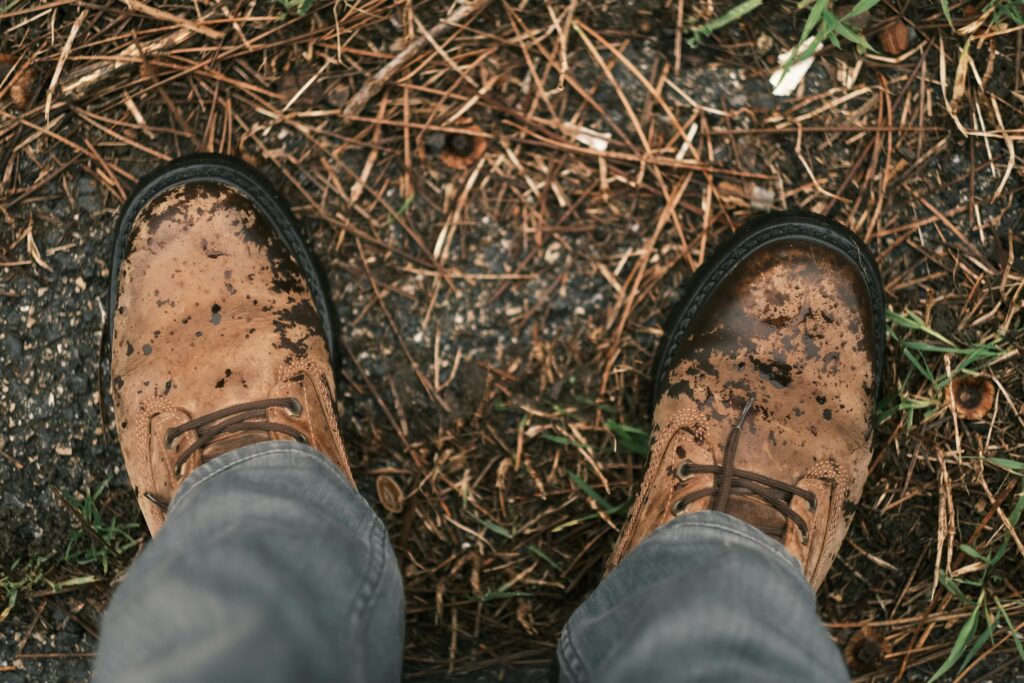
Farming demands things from boots that construction and warehouse work simply don’t. A construction worker deals with concrete and steel. A farmer deals with everything, wet grass at dawn, manure-soaked barn floors, dusty grain bins, muddy fields, gravel driveways, and frozen ruts. Your boots transition between all of these in a single morning.
Chemical Resistance Matters More Than You Think
Barnyard chemicals destroy ordinary leather. Manure contains ammonia and acids that break down stitching and dry out untreated hides. Fertilizers like ammonium nitrate and potassium phosphate accelerate this degradation. According to OSHA’s guidelines on agricultural workplace hazards, protective footwear in agricultural settings needs to resist chemical exposure beyond what standard work boots face. Boots with SPR leather or specially treated full-grain leather handle these chemicals without premature breakdown.
The Waterproof Question
Not all waterproofing is the same. A sealed membrane like Gore-Tex or DRYShield keeps standing water out but lets sweat vapor escape. A rubber boot is 100% waterproof but traps moisture inside. For mixed farm work, where you move between wet and dry conditions, a breathable waterproof membrane wins. For dedicated livestock chores in muck and manure, rubber boots rated to handle standing water make more sense.
Safety Toe or No Safety Toe
The American Society for Testing and Materials (ASTM) sets the F2413 standard for protective footwear. Steel toes meet this standard but conduct cold, a real problem during Minnesota January mornings. Composite toes weigh less and don’t pull heat from your feet. If you operate heavy equipment, handle livestock panels, or work around anything that could crush a toe, a safety toe earns its weight. If your biggest hazard is mud and a stubborn fence post, soft toe boots work fine and weigh less.
Why Cheap Boots Cost More on a Farm
A $60 boot that fails after four months of daily farm use costs $180 a year. A $240 boot that lasts two years costs $120 a year. Goodyear welt construction lets you resole boots instead of replacing them cutting long-term costs dramatically. Cement construction (glued soles) is lighter and cheaper upfront, but once the sole separates, the boot is done. For daily farm use, welted construction almost always saves money over time.
Our Top Picks, Best Work Boots for Farmers
1. Ariat WorkHog Waterproof Composite Toe — Best Overall
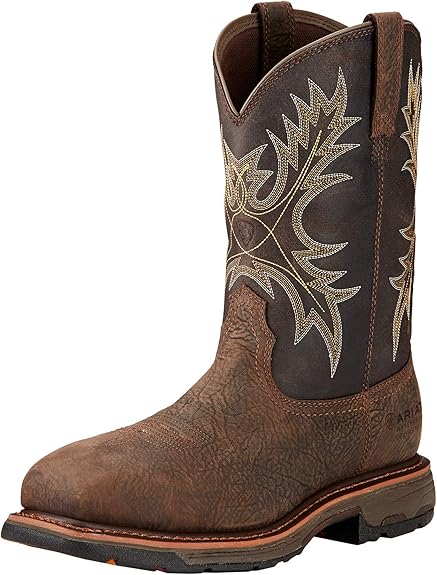
The Ariat WorkHog is one of the most popular farm boots in the Midwest for good reason. It balances comfort, waterproofing, and durability in a way that few competitors match. This pull-on Wellington-style boot was designed specifically for agricultural and outdoor work, and it shows in every detail.
What works: Ariat’s ATS Max platform provides genuine stability through long days on uneven ground. This isn’t marketing language, the wide midfoot stabilizers and reinforced heel counter reduce foot fatigue in a measurable way. The Duratread outsole resists barnyard acids, oil, and the kind of chemical exposure that kills ordinary rubber soles. The DRYShield waterproof membrane keeps feet dry through morning dew, puddles, and unexpected downpours without trapping sweat inside. The composite safety toe meets ASTM F2413 standards while staying lighter and warmer than steel in cold weather.
Midwest-specific performance: The pull-on design with Ariat’s U-Turn Entry System makes these boots easy to get on and off, even with cold fingers or when you’re rushing between tasks. The Duratread outsole handles frozen mud ruts, slick barn floors, and gravel driveways without losing grip. The wide square toe gives plenty of room for thick winter socks without cramping. In summer, the breathable lining keeps feet from overheating during tractor work and field checks.
The compromise: These boots aren’t cheap. At around $240, they represent a real investment. The pull-on style doesn’t offer the adjustable fit of a lace-up boot, so getting the right size matters more. Some farmers with narrow heels report slight slippage until the boot breaks in and molds to their foot. The composite toe, while lighter, creates a slightly wider toe profile than some prefer.
Best for: Farmers who need one boot that handles everything, morning livestock chores through afternoon fieldwork. The sweet spot for mixed-use operations where comfort and durability both matter.
Price: ~$240
2. Georgia Boot Farm & Ranch Wellington — Best for Livestock Work
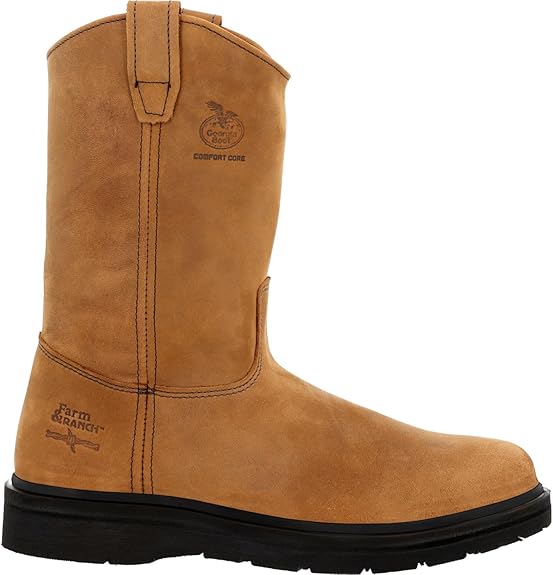
The Georgia Boot Farm & Ranch has been a staple on Midwest livestock operations for decades. It’s not flashy. It’s not loaded with technology. It’s built to survive barnyard abuse day after day, and it does exactly that.
What works: The SPR leather is the star here. Georgia’s proprietary tanning process creates leather roughly three times stronger than conventional leather with 2.5 times the abrasion resistance. More importantly for farmers, SPR leather resists caustic chemicals and barnyard acids, ammonia, sulfuric acid, calcium hydroxide, and potassium phosphate. These are the compounds that eat through ordinary boots within months. The Comfort Core insole provides shock absorption in the ball and heel, where impact hits hardest during all-day standing and walking. The steel shank supports your arch on ladders and when using shovels.
Midwest-specific performance: The 11-inch shaft keeps debris, mud, and manure out when you’re working in deep muck. The dual-density polyurethane “Suspension Wedge” outsole cushions on hard surfaces while resisting chemicals and oil. It handles frozen ground, wet barn floors, and gravel without complaint. The pull-on design with side straps makes these quick to get on for early morning chore runs.
The compromise: These boots are not waterproof. They resist moisture and chemicals on the leather, but they don’t have a sealed waterproof membrane. Standing in deep puddles or slush will eventually soak through. They’re also soft-toe boots, no ASTM safety rating. If you need waterproofing or toe protection, look elsewhere. The wedge sole works well on flat barn floors and pastures but provides less aggressive traction on steep hillsides or loose terrain.
Best for: Livestock farmers who need chemical-resistant boots for daily barn work. Dairy, hog, and cattle operations where barnyard acids are the primary boot killer.
Price: ~$165
3. Carhartt 11″ Waterproof Steel Toe Wellington — Most Durable
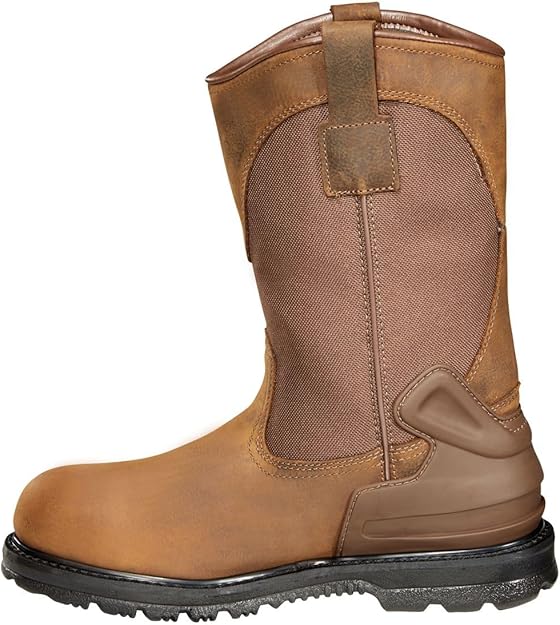
The Carhartt Heritage 11″ Steel Toe Wellington is built like the brand’s jackets, overbuilt, no-nonsense, and ready for punishment. This boot targets farmers and ranchers who need waterproof steel-toe protection in a pull-on design.
What works: Carhartt’s Storm Defender waterproof membrane keeps water out while letting moisture vapor escape. The oil-tanned leather upper is backed by abrasion-resistant Cordura fabric on the shaft for added toughness. The PU-coated Helcor leather provides extra abrasion resistance in high-wear areas. The Cushion Comfort PU footbed delivers genuine all-day support, and the FastDry lining wicks sweat away from your skin. The steel toe meets ASTM F2413-18 standards for impact and compression, plus electrical hazard protection.
Midwest-specific performance: The 400g LiteFire insulation in the insulated version reflects body heat back to your feet, a real advantage during January and February chore sessions. The TPU heel guard provides ankle stability on uneven ground, frozen ruts, and muddy slopes. The flexible polyurethane outsole maintains traction in cold temperatures where cheap rubber hardens and loses grip. This boot transitions well between outdoor fieldwork and equipment operation without feeling clunky inside a tractor cab.
The compromise: Steel toes conduct cold. Even with 400g insulation, your toes will feel the chill during extended exposure below zero. The boot runs slightly small, most farmers need to order a half or full size up, especially if you plan to wear heavy winter socks. At close to $200, it’s not the cheapest option, but Carhartt’s build quality justifies the cost. The pull-on design can be tight getting past the instep initially.
Best for: Farmers who need steel-toe protection for equipment work, livestock handling with heavy gates, or OSHA-compliant footwear on diversified operations. Especially good for operations that mix farm work with occasional construction or welding tasks.
Price: ~$210
4. Bogs Classic High Waterproof — Best for Cold Weather
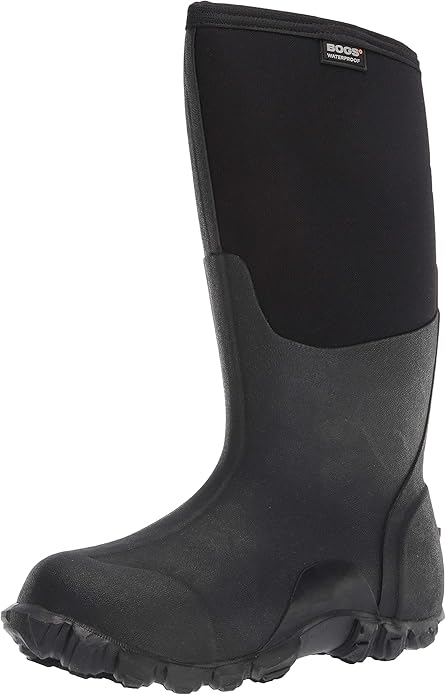
The Bogs Classic High is the boot Midwest farmers grab when the temperature drops below zero and the morning chore list doesn’t care about the wind chill. This is a purpose-built cold-weather workhorse, and it does that one job better than almost anything else you can buy.
What works: The 7mm Neo-Tech insulation and hand-lasted rubber construction earn a comfort rating to -40°F. That’s not a marketing number, farmers in northern Minnesota and Wisconsin confirm these boots keep toes warm during hours of outdoor exposure in extreme cold. The four-way stretch inner bootie fits snug against your foot, eliminating cold air pockets. The entire boot is 100% waterproof, not “waterproof membrane” waterproof, but solid rubber and neoprene waterproof. Nothing gets in. The BioGrip outsole provides genuine traction on ice and packed snow, and the self-cleaning tread pattern sheds mud and manure.
Midwest-specific performance: When you’re breaking ice on stock tanks at 6 a.m. and the wind chill reads -25°F, these boots earn their keep. The DuraFresh anti-odor treatment handles the reality of farm boots that get sweated in daily. The Max-Wick lining pulls moisture away from your feet, preventing the clammy cold that ruins lesser insulated boots. The tall 14-inch shaft keeps snow, slush, and muck out during deep-snow livestock checks. The BLOOM eco-friendly EVA footbed provides surprising comfort for a rubber boot.
The compromise: These boots overheat above 40°F. That’s not a flaw, it’s physics. Seven millimeters of insulation keeps you warm at -30 but bakes your feet at 50. These are strictly cold-weather boots. Plan on a different pair for spring through fall. The rubber construction weighs more than leather alternatives, about 5 pounds per pair. During long walking days, that weight adds up. Ankle support is limited compared to lace-up boots. The boot flexes where a structured leather boot holds firm, which some farmers find less secure on steep or uneven ground.
Best for: Winter-only farm chores. Feeding livestock, checking fences, and any extended cold-weather outdoor work where keeping your feet warm matters more than anything else.
Price: ~$135
5. Irish Setter Marshall 11″ Waterproof Steel Toe — Best Investment
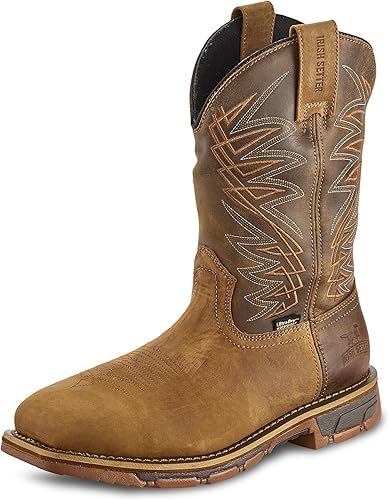
The Irish Setter Marshall comes from the Red Wing family of brands, and that heritage shows in every stitch. This boot costs more upfront than most options on this list, but its resoleability and construction quality make it one of the best long-term values for farmers who wear boots daily.
What works: Full-grain waterproof leather protected by UltraDry waterproof construction, this combines a moisture-management lining with waterproof components for dry comfort that lasts. The Goodyear welt construction means a cobbler can resole these boots when the tread wears down, extending their life by years instead of forcing a full replacement. The RPM composite outsole material reduces boot weight while maintaining durability. The steel safety toe meets ASTM standards. A removable polyurethane footbed provides cushioning, and the steel shank adds stability and arch support for long days.
Midwest-specific performance: The Goodyear welt seals the boot against water intrusion better than cement construction. This matters when you’re walking through wet grass, standing in puddles, or working in spring mud. The full-grain leather develops character over time and resists the kind of scuffing and scratching that farm work dishes out. The square toe design offers room for thick socks without pinching. Irish Setter boots are available at Tractor Supply and Scheels, common Midwest retailers where you can try before you buy.
The compromise: Break-in takes time. Expect 1–2 weeks of stiff leather before these boots mold to your foot. The steel toe conducts cold in winter, plan for insulated socks or boot warmers during January chores. At $220, they cost more than budget options, though the resoleable construction makes them cheaper per year of use. The leather requires occasional conditioning to maintain waterproofing and prevent salt damage.
Best for: Farmers who want one pair of boots that lasts 3+ years with resoles. An excellent choice for anyone who values long-term quality over short-term savings.
Price: ~$220
6. Wolverine Floorhand Waterproof 6″ — Best Budget

The Wolverine Floorhand proves you don’t need to spend $200 to get a decent waterproof work boot. This is a straightforward, no-frills boot that delivers the basics well, waterproof leather, a cushioned footbed, and a grippy outsole, at a price that won’t break the bank.
What works: The waterproof full-grain leather upper actually keeps water out. The removable full-cushion footbed molds to your foot over time. The rubber outsole grips well on wet surfaces and doesn’t track mud into the house as badly as aggressive lug patterns. The nylon shank provides midfoot support. The moisture-wicking mesh lining keeps feet reasonably comfortable through a full work day. The steel-toe version meets ASTM F2413 standards.
Midwest-specific performance: The cement construction keeps the boot lightweight, a real advantage during long summer days when heavy boots drain your energy. The 6-inch height handles routine farm tasks like feeding, equipment checks, and light field work. The waterproofing holds up through typical Midwest spring conditions, morning dew, light rain, and walking through wet grass. The outsole provides adequate traction on gravel, dirt, and wet concrete.
The compromise: Cement construction means you can’t resole these. When the sole wears out, the boot is done. Expect 8–12 months of daily farm use before you start seeing significant wear. The 6-inch height won’t protect you in deep mud or standing water, this is a fair-weather farm boot, not a muck boot. The waterproofing membrane may degrade faster than premium options after heavy, repeated exposure. The footbed compresses over time and benefits from aftermarket insole replacement around the 6-month mark.
Best for: Farmers on a budget who need a solid everyday boot for general farm tasks. An excellent second pair for warm-weather chores when your primary cold-weather boots are overkill.
Price: ~$115
7. Timberland PRO Boondock 6″ Composite Toe — Best for Summer Farm Work
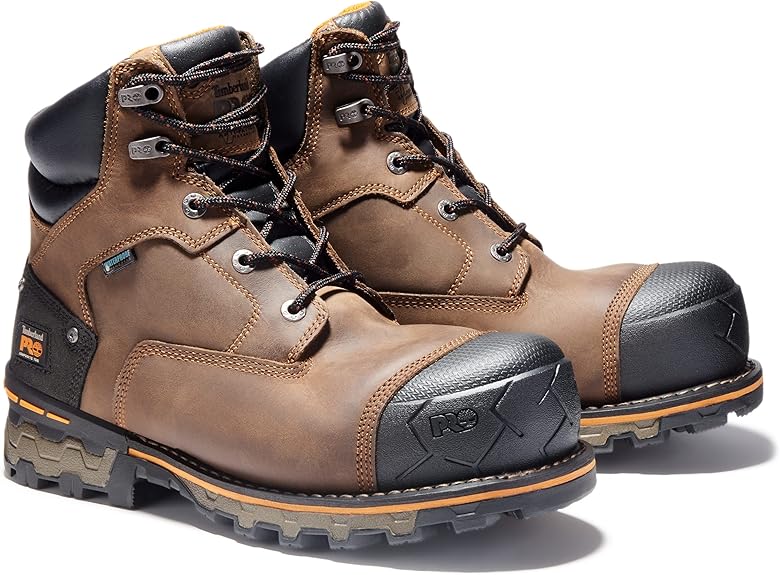
The Timberland PRO Boondock delivers serious protection with better breathability than most safety-toe farm boots. When July humidity turns lesser boots into sweat traps, the Boondock stays manageable.
What works: The composite safety toe meets ASTM F2413 standards without the weight or cold conduction of steel. Timberland’s Anti-Fatigue Technology footbed absorbs shock during long days on hard ground. The waterproof membrane works, testers report genuinely dry feet in standing water. The molded rubber toe protector adds a thick wear layer that extends boot life on farms where boots drag against equipment, fence posts, and concrete. The outsole resists oil, chemicals, and abrasion.
Midwest-specific performance: The TPU outsole stays flexible in cold weather while providing confident grip on wet surfaces. But this boot really earns its spot during Midwest summers. The lining wicks moisture effectively, and the non-insulated construction lets heat escape instead of trapping it. During August fieldwork, equipment maintenance, and barn work, the Boondock stays cooler than insulated alternatives. The 6-inch height keeps debris out without the extra coverage, and extra heat, of taller boots. Electrical hazard protection is a nice bonus for farmers who work around electrical fencing and equipment.
The compromise: At $220, this boot sits in the upper tier of farm boot pricing. The composite toe creates a wider toe box that some farmers find less precise. Break-in takes about a week of gradual wear. The robust construction adds weight, these aren’t light boots. For strictly cold-weather use, the non-insulated design leaves toes cold. This boot shines from April through October and takes a back seat to insulated options during deep winter.
Best for: Farmers who work long hours during warm seasons and need safety-toe protection. Ideal for operations that mix fieldwork with equipment maintenance and barn tasks from spring through fall.
Price: ~$220
8. Red Wing Iron Ranger 8085 — Best Premium / Built for a Decade
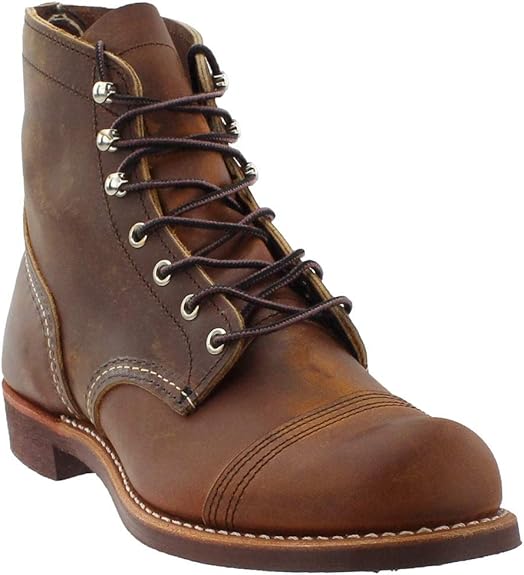
The Red Wing Iron Ranger is not a traditional farm boot. It’s a heritage work boot built in Red Wing, Minnesota, with Goodyear welt construction, full-grain leather from Red Wing’s own S.B. Foot Tannery, and a double-layered cap toe originally designed for iron miners on the Mesabi Range. It’s on this list because Midwest farmers have been wearing Iron Rangers for generations, and many swear nothing else lasts as long.
What works: The Copper Rough & Tough leather is oil-tanned for natural moisture resistance and breaks in faster than other Iron Ranger leathers. The Vibram 430 Mini-lug outsole provides real traction on wet and loose surfaces, a major upgrade over the flat nitrile cork sole on older models. Triple-stitched Goodyear welt construction means these boots can be resoled repeatedly. They literally last decades with care. The double leather cap toe adds an extra layer of protection in the toe area where farm boots take the most abuse.
Midwest-specific performance: These boots are made in Minnesota. Red Wing knows cold, and the leather quality reflects that understanding. The Vibram sole maintains flexibility in freezing temperatures. The leather patinas beautifully over years of farm use, developing a character that mass-produced boots never achieve. The 6-inch height handles typical farm terrain. Red Wing stores and authorized retailers are common across the Midwest, making sizing, care products, and resoling convenient.
The compromise: No waterproof membrane. The oil-tanned leather resists moisture, but extended exposure to standing water will soak through. This is a fair-weather farm boot. No safety toe, the double cap toe protects against scuffs, not crushing impacts. The break-in period is notorious, expect 2–4 weeks of stiff, uncomfortable wear before the leather molds to your foot. At $350+, these cost more than any other boot on this list. You’re paying for American craftsmanship and 10+ year durability, but the upfront investment is real.
Best for: Farmers who value long-term quality and want a boot that lasts a decade or more. Best suited for tractor work, equipment maintenance, and general farm tasks where waterproofing and safety toes aren’t critical.
Price: ~$330
Comparison Table
| Boot | Price | Waterproof | Safety Toe | Insulation | Best For |
|---|---|---|---|---|---|
| Ariat WorkHog | $240 | Yes (DRYShield) | Composite | None | Overall best / mixed farm use |
| Georgia Farm & Ranch | $165 | No | None | None | Livestock / chemical resistance |
| Carhartt 11″ Wellington | $210 | Yes (Storm Defender) | Steel | 400g available | Durability / equipment work |
| Bogs Classic High | $135 | Yes (100% rubber) | None | 7mm Neo-Tech (-40°F) | Winter chores |
| Irish Setter Marshall | $220 | Yes (UltraDry) | Steel | None | Long-term investment / resoleable |
| Wolverine Floorhand | $115 | Yes (membrane) | Steel available | None | Budget pick |
| Timberland PRO Boondock | $220 | Yes (membrane) | Composite | None | Summer farm work |
| Red Wing Iron Ranger | $330 | No (moisture-resistant) | None | None | Premium / decade-long durability |
How to Choose the Right Farm Boot
Match the Boot to Your Main Task
If 70% of your day involves livestock work in and around barns, chemical-resistant leather matters more than waterproof membranes. If you’re in and out of equipment all day, a pull-on boot saves time and frustration. If you walk miles across fields, weight and cushioning matter most. Don’t buy for the rare occasion, buy for the daily routine.
Think in Cost-Per-Year, Not Sticker Price
A $330 Red Wing Iron Ranger that lasts 10 years costs $33 per year. A $115 Wolverine Floorhand that lasts 10 months costs $138 per year. Factor in resole costs ($80–$120 for welted boots) versus replacement costs. For daily use, welted boots almost always win the math.
Size for Your Worst-Case Sock
Try boots with the heaviest socks you’ll wear in them. If you’re in Minnesota, that means thick wool socks in January. A boot that fits perfectly with thin socks becomes painful with winter-weight wool. Most farmers need a half-size up from their casual shoe size.
Two Pairs Beat One Premium Pair
If budget allows, a two-boot rotation, warm-weather leather boots and cold-weather insulated boots, extends the life of both pairs and keeps your feet comfortable year-round. The Wolverine Floorhand and Bogs Classic High together cost less than the Red Wing Iron Ranger alone and cover every season.
Common Mistakes to Avoid
Don’t buy insulated boots as your only pair. You’ll overheat from April through October. Don’t ignore chemical resistance if you work with livestock, ordinary leather boots fall apart fast around manure. Don’t skip the break-in period on leather boots. Wear them for short periods first, gradually increasing time. Blisters from new boots during a 14-hour harvest day will ruin your week.
Midwest-Specific Considerations Weather, Mud, and the Annual Boot Calendar
Spring (March–May): Mud Season
Spring thaw on a Midwest farm creates the worst boot conditions of the year. Frozen ground turns to soupy, clay-heavy mud that suctions boots off your feet. You need waterproof boots with self-cleaning tread patterns and tall enough shafts to keep mud out. This is Bogs territory, or any tall rubber boot. Leather boots need conditioning after every heavy mud exposure.
Summer (June–August): Heat and Humidity
Iowa July humidity will soak your feet from the inside if your boots trap moisture. Non-insulated boots with breathable membranes or well-ventilated leather keep feet manageable. The Timberland PRO Boondock and Wolverine Floorhand handle summer conditions well. Rotate boots daily if possible, letting them dry completely between wears prevents bacterial growth and extends boot life.
Fall (September–November): Harvest Crunch
Harvest demands long hours and varied terrain. You’re climbing in and out of combines, walking beans, checking equipment. A comfortable all-day boot like the Ariat WorkHog handles the constant transitions. Traction matters as fields get wet and muddy. Leather boots need waterproofing treatment before the fall rains arrive.
Winter (December–February): Survival Mode
Below-zero mornings, frozen barn floors, and hours of outdoor exposure demand insulated, waterproof boots. Steel toes conduct cold, composite toes or soft toes are warmer. The Bogs Classic High is the winter standard. For farmers who need safety toes in winter, the Carhartt 11″ with 400g insulation is the best compromise. Apply leather conditioner regularly, salt from treated driveways and roads will destroy exposed leather.
Where Midwest Farmers Actually Buy
Tractor Supply, Scheels, Farm & Fleet, and Mills Fleet Farm carry most boots on this list. These retailers let you try boots on, which matters more for work boots than almost any other purchase. Red Wing has dedicated stores across the Midwest for sizing and resoling. Amazon offers the widest selection and often the best prices, but know your size before ordering. Return shipping on heavy boots adds up fast if you guess wrong.
Looking for More?
This article is part of our Boots & Footwear hub. For related guides:
- 10 Best Work Boots for the Midwest — our complete work boot hub covering all trades and conditions
- 7 Best Waterproof Work Boots for the Midwest — focused guide on waterproof protection for wet job sites
- Best Farm Work Boots for Mud, Fields & Chores — our original farm boot guide with additional picks
FAQs
The Ariat WorkHog Waterproof stands out as the best overall farm boot for most Midwest farmers. It combines waterproof protection, composite toe safety, chemical-resistant outsoles, and genuine all-day comfort in a pull-on design. The DRYShield membrane handles wet conditions while the ATS Max platform reduces foot fatigue during long days. For farmers focused on cold-weather chores, the Bogs Classic High is the clear winner with its -40°F rating. For budget-conscious farmers, the Wolverine Floorhand delivers solid basics at around $115. The right boot depends on your primary tasks, livestock work, fieldwork, and equipment operation each favor different features.
It depends on your operation. If you handle heavy livestock panels, operate machinery with foot hazards, or work around dropped equipment, a safety toe is worth the weight. OSHA standards under 29 CFR 1910.136 require protective footwear where foot injuries are likely. Composite toes offer the same ASTM-rated protection as steel without conducting cold, a major advantage during Midwest winters. Many diversified farmers keep a safety-toe pair for equipment days and a soft-toe pair for routine chores.
With daily use, expect 1–3 years depending on construction and care. Cement-constructed boots like the Wolverine Floorhand last 8–12 months of hard daily use. Goodyear welted boots like the Irish Setter Marshall or Red Wing Iron Ranger last 3–5 years with resoles extending that to a decade. Rubber boots like the Bogs Classic High typically last 2–3 winters. Conditioning leather regularly, drying boots thoroughly between wears, and cleaning off manure and chemicals extend any boot’s life significantly.
Pull-on boots save time and frustration, important when you’re getting dressed in the dark at 4:30 a.m. They also eliminate laces that snag on equipment, collect mud, and freeze solid in winter. Lace-up boots offer more adjustable fit and better ankle support for long walking days on uneven terrain. Most experienced Midwest farmers prefer pull-ons for daily chores and keep lace-up boots for extended fieldwork or steep terrain. If you only own one pair, pull-ons handle more situations with less hassle.
Ariat and Georgia Boot dominate Midwest farm country. Both brands are available at Tractor Supply, Scheels, and Farm & Fleet, retailers found in nearly every Midwest farming community. Ariat WorkHog models appear on more farms than any single competitor. Georgia Boot’s Farm & Ranch line has been a livestock operation standard for decades. Bogs rubber boots show up in every barn during winter months. These brands earned their popularity through actual farm performance, not just marketing.
Rinse boots with clean water after every exposure to manure, fertilizers, or chemicals. Don’t let residue dry on the leather, it accelerates degradation even on treated hides. Condition leather boots monthly with a quality leather conditioner or boot oil. For SPR leather boots like the Georgia Farm & Ranch, the treated leather does most of the work, but rinsing off acids promptly still matters. Store boots in a dry, ventilated area, not sealed in a mudroom closet where moisture can’t escape.
